
If the bright sunshine and long days of summer leave you feeling drained, irritable, or just plain sad instead of happy and energized, you’re not alone. Many people expect summer to bring joy, but for some of us, it triggers a real type of depression called summer seasonal depression (also known as summer-pattern seasonal affective disorder or summer SAD).
You absolutely can get seasonal depression in the summer, even though most folks connect SAD with the dark winter months. If these feelings are affecting your daily life, mental health treatment programs at We Level Up Washington can help you find relief and regain stability.
Skip To
Table of Contents
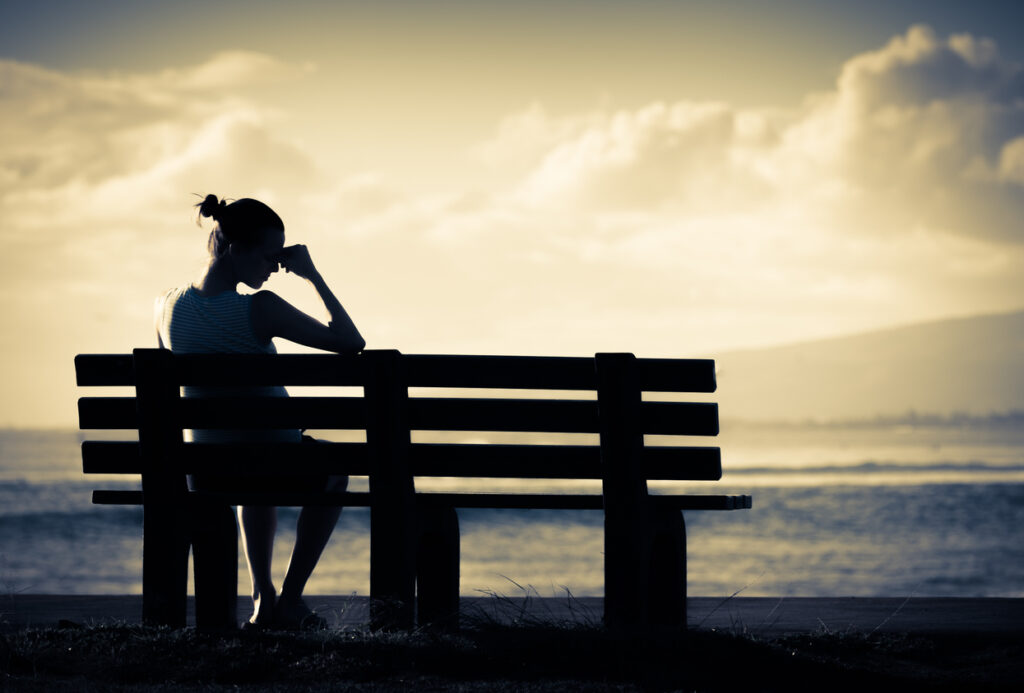
What Exactly Is Summer Seasonal Depression?
Seasonal affective disorder (SAD) is a kind of depression that shows up at the same time each year. Winter SAD hits when days grow short and cold. Summer seasonal depression does the opposite. Your low mood starts in late spring or early summer and often lifts when cooler fall weather arrives.
Experts at the National Institute of Mental Health explain that summer-pattern SAD is less common than the winter type, but it still affects many people. Symptoms usually last four to five months and come back year after year.
This is a true medical condition, not something you make up or a sign of weakness. Your brain chemistry changes with the seasons, just like some people get allergies from pollen.
Why Does Summer Trigger Depression for Some People?
No one knows the exact cause for everyone, but several things play a big role:
- Too much heat and humidity – High temperatures make your body work harder to stay cool. This stress can mess with brain chemicals like serotonin that keep your mood steady.
- Longer days disrupt sleep – More daylight can throw off your body’s internal clock. You might stay up later or wake earlier than your body wants.
- Big changes in routine – School ends, vacations happen, or work slows down. Losing your normal schedule feels unsettling, especially if you thrive on structure.
- Pressure to have fun – Everyone posts happy beach pictures, but if you’re struggling, that can make you feel worse or more alone.
- Allergies and pollen – Summer allergies cause body inflammation, and research links inflammation to low mood.
If you already deal with depression, anxiety, ADHD and bipolar disorder together, or bipolar disorder, summer changes can make things harder.
End the Emotional Pain. Get Your Life Back.
Feeling Depressed, Anxious or Struggling with Mental Health Illness? Get Safe Comfortable Mental Health Dual Diagnosis High-Quality Therapy From Counselors That Care. Begin Your Recovery Now.
Hotline: (509) 348-4077

Signs You Might Have Summer Seasonal Depression
Watch for these common signs that start when warm weather arrives and get better in fall:
- Feeling sad, hopeless, or empty most of the day
- Losing interest in things you usually enjoy
- Feeling cranky or agitated more than usual
- Trouble falling asleep or staying asleep (the opposite of winter SAD)
- Eating less and losing weight without trying
- Feeling restless or unable to sit still
- Low energy, even on rest days
- Trouble focusing or making decisions
- In severe cases, suicidal thoughts (please reach out for help right away if this happens)
These signs differ from winter SAD, where people often sleep too much and crave carbs. Summer seasonal depression feels more like classic depression with extra agitation from the heat.
How Summer SAD Affects People in Washington State
Washington summers bring beautiful long days and outdoor fun, but they also mean higher temperatures, wildfire smoke and bright light that lasts until 9 or 10 p.m. For folks sensitive to heat or light, this can drain energy fast. Add in vacation schedules or kids home from school and daily life feels chaotic. Many locals tell us the constant sunshine makes them feel guilty for not enjoying it, which adds to the sadness.

Simple Ways to Feel Better at Home
You can take steps right now to ease summer seasonal depression while you seek professional care:
- Stay cool indoors during the hottest hours with air conditioning or fans
- Use blackout curtains to block early morning light and help you sleep longer
- Stick to a daily schedule, even on weekends eat meals at the same time and set a bedtime
- Exercise early in the morning or evening when it is cooler (walking counts!)
- Drink plenty of water and eat light, fresh foods
- Limit alcohol it can worsen dehydration and low mood
- Connect with supportive friends or family, even if you do not feel social at first
- Spend time in nature early or late in the day when temperatures feel comfortable
These habits help many people feel more in control.
Get Help. Get Better. Get Your Life Back.
Searching for Accredited Dual Diagnosis Mental Health Centers Near You?
Even if therapy failed previously, or are in the middle of a difficult crisis, we stand ready to support you. Our trusted behavioral health specialists will not give up on you. When you feel ready or just want someone to speak to about counseling alternatives to change your life call us. Even if we cannot assist you, we will lead you to wherever you can get support. There is no obligation. Call our hotline today.
FREE 24/7 Dual Diagnosis Mental Health Services HotlineProfessional Treatment That Really Works
The best results come when you build a personalized treatment plan with experts. Common options include:
Talk Therapy
Cognitive behavioral therapy (CBT) teaches you skills to change negative thoughts and build healthy habits tailored for summer triggers.
Medication
Antidepressants balance brain chemicals. Doctors sometimes start these before summer if you get symptoms every year.
Lifestyle Support in a Safe Place
Some people benefit most from a structured program at a depression treatment center where you learn coping skills, eat well, exercise, and talk with others who understand.
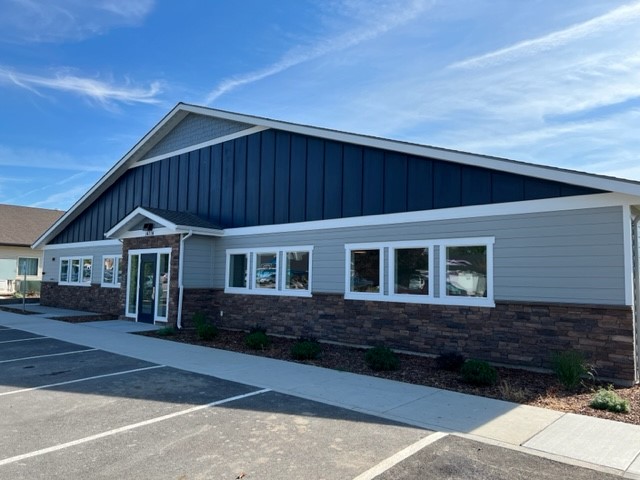
At We Level Up Washington, we create treatment plans just for you, including help for summer seasonal depression, co-occurring ADHD and depression, or substance use issues.
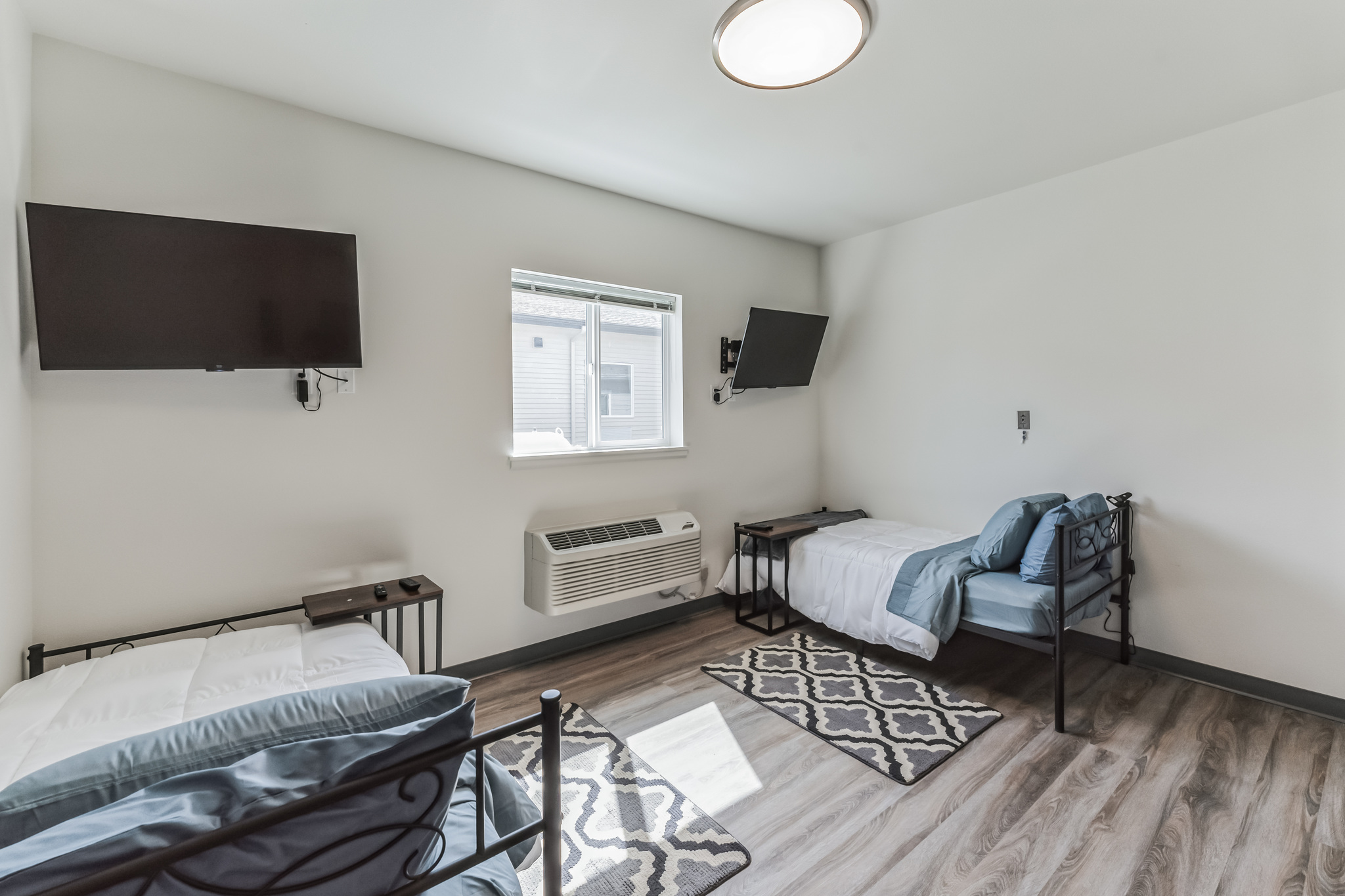
Comfortable Facilities & Amenities
High-Quality Mental Health Services & Behaviroal Health Substance Abuse Treatment
Rehab Centers TourRenowned Mental Health Centers. Serene Private Facilities. Inpatient Rehab Programs Vary.
Mental Health Helpline: (509) 348-4077Proven recovery success experience, backed by a Team w/ History of:
15+
Years of Unified Experience
100s
5-Star Reviews Across Our Centers
10K
Recovery Success Stories Across Our Network
- Low Patient to Therapist Ratio
- Comprehensive Dual-Diagnosis Treatment
- Complimentary Family & Alumni Programs
- Coaching, Recovery & Development Events
- Comfortable Onsite Medical Detox Center
When to Reach Out for Help Right Away
Please contact someone today if you notice:
- Suicidal thoughts or plans
- Depression that stops you from working, caring for family, or daily tasks
- Symptoms that last more than two weeks
- Using alcohol or drugs to cope
You deserve support, and reaching out treatment center for depression is a brave first step.
Frequently Asked Questions About Summer Seasonal Depression
-
Can you get seasonal depression in the summer?
Yes! About 10% of people with SAD feel worse in warm months instead of winter. Heat, bright light, and schedule changes trigger it.
-
Is summer seasonal depression different from regular depression?
It follows the same seasonal pattern each year and often improves in fall. Symptoms lean toward agitation, insomnia, and weight loss rather than oversleeping.
-
Does ADHD make summer depression worse?
Many people with ADHD struggle more in summer because less structure leads to boredom or overwhelm, which feeds depression.
-
Where in Spokane Valley, Washington can you find treatment for summer seasonal depression?
We Level Up Washington in Spokane Valley offers specialized care for summer seasonal depression with therapy, medical support, and comfortable facilities designed for healing.
-
Where near Coeur d’Alene, Idaho or Seattle can you find treatment for summer seasonal depression?
We Level Up Washington serves people from Coeur d’Alene, Seattle, and all surrounding areas with evidence-based programs close to home.
-
How long does summer seasonal depression last?
Most people feel symptoms from late spring through early fall – about 4-5 months.
-
Does insurance cover treatment for this type of depression?
Many plans cover depression treatment centers and therapy. Our team helps check your benefits.
Conclusion
Summer seasonal depression can feel confusing and isolating when everyone else seems happy. But please remember: this is a real condition with real solutions. Thousands of people in Washington and beyond feel better each year with the right support.
Call We Level Up Washington at (509) 348-4077 for a confidential conversation. You matter, your feelings are valid, and hope is closer than you think. Let’s take the next step together.