
The increased addiction to amphetamines is an issue today in most societies. Amphetamines, both with and without prescription, can quickly become an addiction and cause severe illness. In this guide, we will introduce amphetamine dependency in an understandable way, covering treatment aspects and information to support addiction recovery.
Skip To
Table of Contents
What Is Amphetamine Addiction?
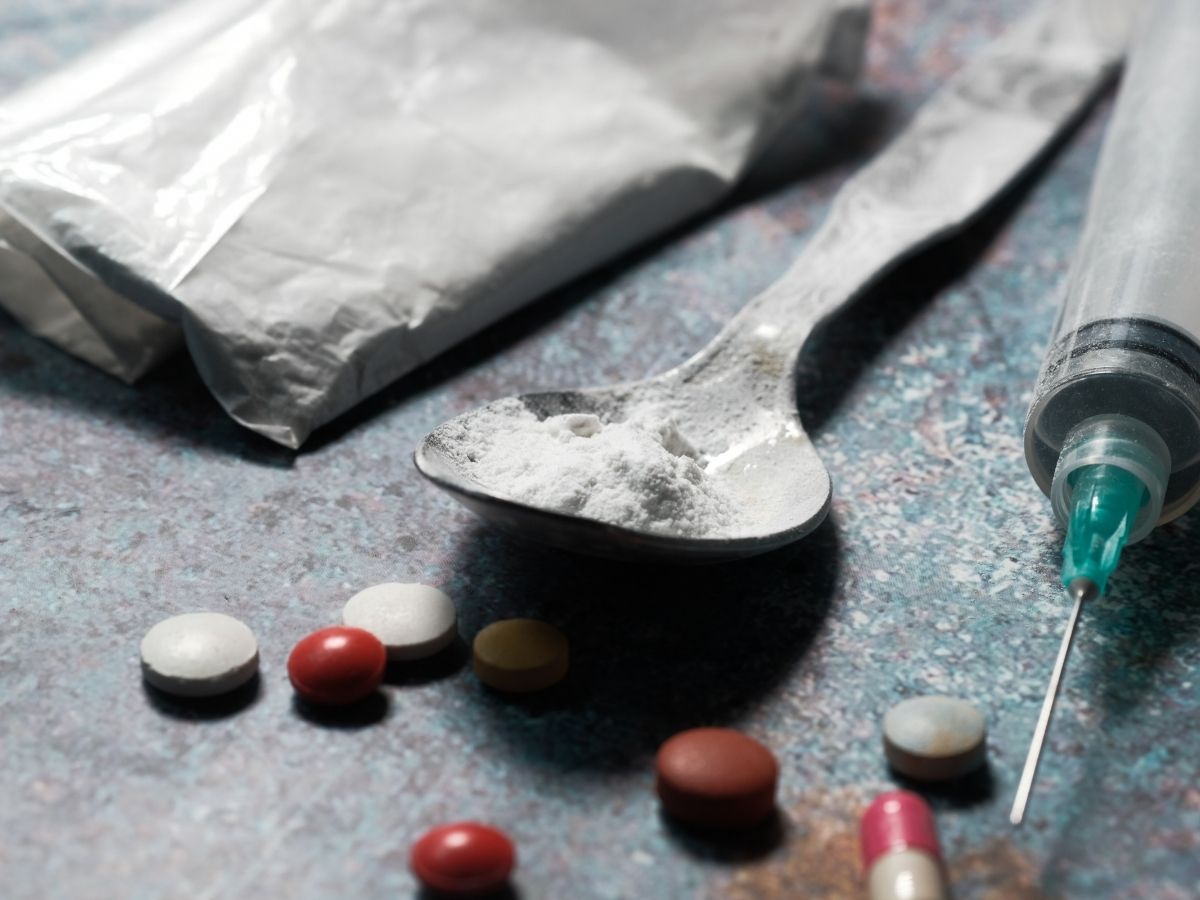
Amphetamines are central nervous system stimulants. Many people are prescribed amphetamines by doctors to relieve attention deficit hyperactivity disorder (ADHD) and narcolepsy. Nevertheless, amphetamines may be hazardous when people use them without medical supervision.
Anyone can become dependent on the drug when regular or high dose use of amphetamines occurs. This is known as stimulant dependency.
Are Amphetamines Addictive?
Yes, amphetamines are addictive. They raise dopamine in the brain producing an energy, concentration, and even euphoria. Gradually, the brain begins to depend on the drug to be normal.
Common Types of Amphetamines
- Adderall
- Dexedrine
- Vyvanse
- Illegally made amphetamines (sometimes called “speed”)
End the Emotional Pain. Get Your Life Back.
Feeling Depressed, Anxious or Struggling with Mental Health Illness? Get Safe Comfortable Mental Health Dual Diagnosis High-Quality Therapy From Counselors That Care. Begin Your Recovery Now.
Hotline: (509) 348-4077

Signs of Amphetamine Addiction
Recognizing amphetamine addiction early can help prevent long-term damage. The following are some of the important indicators:
- Using excess dose of amphetamines
- Non prescription use of amphetamines
- Having to use more to have the similar impact
- Mood swings and irritability
- Weight loss and eating problems
- Sleep problems, including insomnia
- Rapid heart rate and high blood pressure
- Neglecting responsibilities at work, school, or home
Physical and Emotional Symptoms
- Anxiety or paranoia
- Restlessness or hyperactivity
- Depression when not using the drug
- Fatigue and lack of motivation

Long-Term Effects of Amphetamine Addiction
In case the amphetamine addiction is not properly treated, long-term health problems may develop, including side effects:
- Heart disease and high blood pressure
- Liver and kidney damage
- Mental health issues like anxiety and depression
- Memory loss and cognitive decline
- Risk of stroke
- Relationship and job difficulties
Get Help. Get Better. Get Your Life Back.
Searching for Accredited Dual Diagnosis Mental Health Centers Near You?
Even if therapy failed previously, or are in the middle of a difficult crisis, we stand ready to support you. Our trusted behavioral health specialists will not give up on you. When you feel ready or just want someone to speak to about counseling alternatives to change your life call us. Even if we cannot assist you, we will lead you to wherever you can get support. There is no obligation. Call our hotline today.
FREE 24/7 Dual Diagnosis Mental Health Services HotlineManaging Stimulant Withdrawal
In case an individual has a habit of using amphetamines and quits after some time of high usage, withdrawal symptoms may occur. These can be both physical and emotional.
Common Amphetamine Withdrawal Symptoms
- Extreme fatigue
- Depression
- Sleep disturbances
- Increased appetite
- Irritability
- Intense drug cravings
Why Professional Treatment Matters
A good first step when dealing with addiction is amphetamine withdrawal treatment. Symptoms can be lowered in a controlled setting, which can reduce the chances of a relapse.

Stimulant Dependency Treatment Options
The treatment of amphetamines includes medical, counseling, and emotionally supportive care. Here are the most common methods, which are used at We Level Up Washington.
1. Medical Detox
- Helps remove amphetamines from the body safely.
- Manages withdrawal symptoms.
- Often the first step in recovery.
2. Inpatient Rehab Programs
- 24/7 care in a structured setting.
- Focus on therapy, education, and skill-building.
3. Outpatient Rehab Programs
- Give people an opportunity to seek treatment and work or study.
- Less intensive but still effective for many people.
4. Behavioral Therapy
- Cognitive Behavioral Therapy (CBT) helps change negative thought patterns.
- Teaches coping skills to manage stress and cravings.
- Proven effective in amphetamine addiction treatment.
5. Support Groups and Aftercare
- Peer support through groups like Narcotics Anonymous (NA).
- Ongoing therapy and counseling to maintain long-term recovery.
Comfortable Facilities & Amenities
High-Quality Mental Health Services & Behaviroal Health Substance Abuse Treatment
Rehab Centers TourRenowned Mental Health Centers. Serene Private Facilities. Inpatient Rehab Programs Vary.
Mental Health Helpline: (509) 348-4077Proven recovery success experience, backed by a Team w/ History of:
15+
Years of Unified Experience
100s
5-Star Reviews Across Our Centers
10K
Recovery Success Stories Across Our Network
- Low Patient to Therapist Ratio
- Comprehensive Dual-Diagnosis Treatment
- Complimentary Family & Alumni Programs
- Coaching, Recovery & Development Events
- Comfortable Onsite Medical Detox Center
Why Choose Professional Treatment?
Amphetamine addiction is hardly successfully and effectively treated on one own. Professional treatment provides:
- Medical supervision during detox
- Personalized treatment plans
- Support for co-occurring mental health conditions
- Access to experienced counselors and therapists
FAQs About Stimulant Dependency Treatment
-
How could you treat amphetamine addiction in and around Spokane Valley, Washington?
We Level Up Washington in Spokane Valley provides special amphetamine treatment programs with detoxification, counseling, and aftercare maintenance services.
-
In Liberty Lake, WA what is the treatment option available to overcome amphetamine addiction?
People in the area of Liberty Lake, Washington, could receive complete amphetamine addiction treatment in a nearby Spokane Valley facility, We Level Up Washington.
-
What is the location of the treatment of amphetamine addiction in Post Falls, ID?
We Level Up Washington provides amphetamine addiction treatment services to people of nearby Post Falls.
-
How long does amphetamine addiction treatment last?
The length of treatment depends on individual needs. The duration of programs varies, with a typical stay ranging from 30 to 90 days, and some offering counseling and long-term assistance.
-
Is amphetamine addiction dangerous?
Yes. The risk of becoming dependent on amphetamines may expose such a person to serious health hazards such as heart related health issues, psychological illness, and risks of overdose.
-
Can amphetamine addiction be treated successfully?
Yes. A lot of individuals affected by amphetamine addiction overcome the problem with the proper drug treatments, therapy, and encouragement, and lead normal and productive lives.
How to Help a Loved One Struggling with Stimulant Dependency
Supporting someone with amphetamine addiction can be challenging, but your encouragement can make a big difference.
Tips for Helping a Loved One
- Speak calmly and honestly about your concerns.
- Avoid blaming or humiliating.
- Encourage them to seek professional help.
- Set clear and healthy boundaries.
- Take care of your own mental health as well.
Final Thoughts
Stimulant dependency is a serious but treatable condition. And whatever happens to you or to someone that you love and care about, there is hope and help.
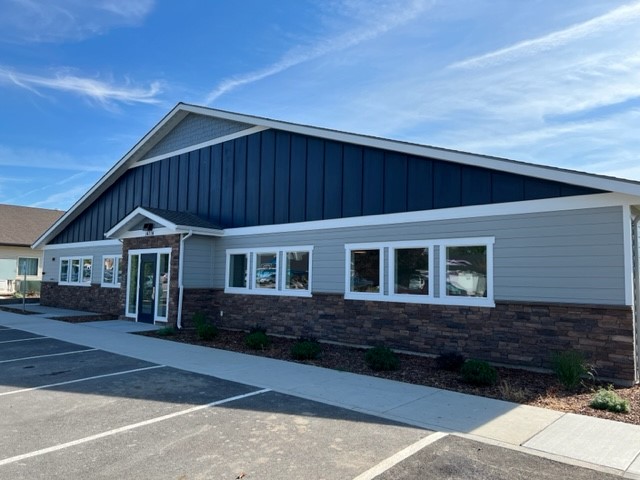
Personalized and compassionate amphetamine dependence treatment is available at We Level Up Washington in Spokane Valley. We have a staff that will assist your loved one or you in going through the recovery process.
If you are willing to learn more or you want to get on the path of healing, call us now. Amphetamine addiction does not need to be faced alone, as help is just a phone call away.
World-class, Accredited, 5-Star Reviewed, Effective Mental Health Dual Diagnosis Programs. Complete Integrated Inpatient Rehab with Free Post Discharge Therapy Planning.
Hotline: (509) 348-4077End the Emotional Pain Rollercoaster. Gain Stability & Happiness Through Recovery Treatment. Start Mental Health Counseling Today. Get Free No-obligation Guidance by Behaviroal Health Specialists Who Understand Mental Health Recovery.
Summary
Call today to speak with our team and learn more about our programs. We Level Up Washington: (509) 348-4077. Your next step starts here.