

Support for Those Feeling Depressed During Pregnancy in Spokane, WA
Depression is a serious mental health condition that affects many pregnant women. It is also known as antenatal or prenatal depression. The causes, symptoms, and solutions to maternal depression are discussed here. Depression During Pregnancy.
Clinically Reviewed by Lauren Barry, LMFT, MCAP, QS
Medically Reviewed by Ali Nikbakht, PsyD
Updated on January 8, 2026 — Editorial Policy | Research Policy

Pregnancy is often painted as a time of happiness, anticipation, and glowing expectations. But for many women, it can also bring unexpected emotions that feel heavy or confusing. If you feel overwhelmed, sad, or think you might be Depressed During Pregnancy, you are not alone. Many women experience these feelings, and support is available.
Depression during pregnancy, also known as pregnancy depression, affects up to 20% of pregnant women. It is a real and treatable condition. This guide will explain what depression during pregnancy is, how it can feel, and how We Level Up Washington provides support in perinatal depression. This is mainly for you if you are in Spokane Valley, Washington, or nearby areas.
Skip To
Table of Contents
Understanding Depression During Pregnancy
Pregnancy depression is more than just the regular ups and downs of emotions. You could feel depressed, hopeless, or numb for weeks, which can make it hard to get through your day.
Hormonal changes, physical pain, and the stress of becoming a mother can all play a role. But it’s not your fault, and you don’t have to go through it alone. Noticing the signs and risk factors is the first step to feeling better.
Depressive Symptoms During Pregnancy
Below are key indicators of severe depression:
- Changes in appetite, like eating too much or too little
- Persistent sadness or feeling empty most of the time
- Loss of interest in activities you once enjoyed
- Mood disorder
- Trouble sleeping (beyond typical pregnancy discomfort) or sleeping too much
- Feeling worthless, guilty, or thoughts of suicide
- Difficulty concentrating or making decisions

Why Does Depression Happen During Pregnancy?
Pregnancy brings a cascade of changes, and sometimes, these shifts can trigger depression.
Hormonal Shifts
Hormone levels of estrogen and progesterone can go up. These alterations can modify the chemicals in your brain. They can make you feel sad or change your mood.
Emotional and Life Changes
Stressors such as an unplanned pregnancy, past trauma, or not having support can increase feelings of being overwhelmed.
Physical Challenges
Sickness, tiredness, or body aches can disrupt your sleep and physical health. Worrying about childbirth may also make you feel worn out.
End the Emotional Pain. Get Your Life Back.
Feeling Depressed, Anxious or Struggling with Mental Health Illness? Get Safe Comfortable Mental Health Dual Diagnosis High-Quality Therapy From Counselors That Care. Begin Your Recovery Now.
Hotline: (509) 348-4077

Risks of Untreated Depression During Pregnancy
Ignoring depression in pregnancy isn’t just tough on you; it can affect your baby and your health. Untreated depression may lead to:
- Poor prenatal care (missing appointments or neglecting nutrition)
- Higher chance of premature delivery or a baby with low birth weight
- Difficulty bonding with your baby after birth
- Higher chance of postpartum depression
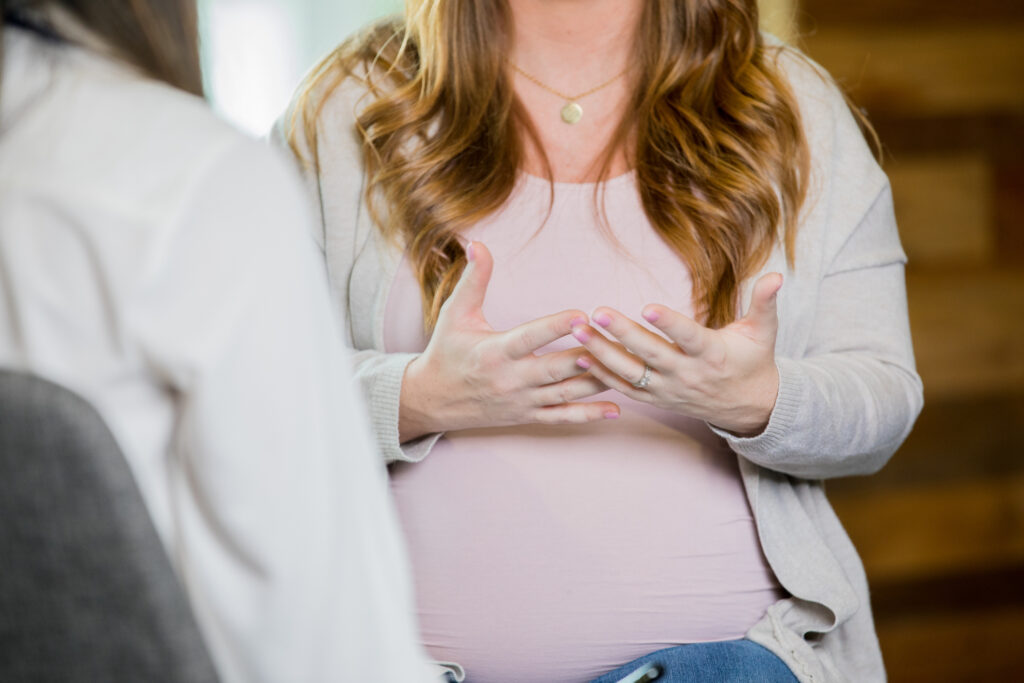
Treating Depression During Pregnancy
You are stronger than you may think right now, and there are things you can do to deal with depression during pregnancy. To get started, do this:
Talk to Someone You Trust
Tell your partner, friend, or family member how you feel. Just saying what you feel can make things easier. Sharing is a brave step toward becoming better.
Seek Professional Help
Pregnancy and depression must be discussed openly with a healthcare provider to ensure proper care. A therapist or counsellor trained in perinatal mental health can make a world of difference. Cognitive-behavioral therapy and interpersonal therapy are evidence-based approaches that help you process emotions and build coping skills.
Establish a Support Framework
Get together with other pregnant ladies in person or online to talk about your problems. Talking about your experiences with others makes you feel less alone. Look for groups in Spokane Valley that are close to you.
Prioritize Self-Care
Try these:
- Take short walks to clear your mind
- Practice deep breathing or mindfulness (apps like Headspace can guide you)
- Eat balanced meals to stabilize your mood
- Rest when you can, even if it’s just a 10-minute nap
Address Stressors
If financial or relationship worries are weighing you down, tackle them head-on. A counselor can help you problem solve, or you might explore community resources for expectant parents in Washington.

Treatment Options
Talk therapy can help you deal with your feelings and come up with ways to cope. It’s a safe place to talk about what’s upsetting you and find ways to feel better.
Medication
SSRIs can be effective with minimal risks when closely monitored. Your doctor can guide you about the increased risks of medicines.
Support Groups
Local or online support groups are safe places to share and learn new things. In Spokane Valley, consider visiting community centers or healthcare facilities to inquire about perinatal mental health programs.
Get Help. Get Better. Get Your Life Back.
Searching for Accredited Dual Diagnosis Mental Health Centers Near You?
Even if therapy failed previously, or are in the middle of a difficult crisis, we stand ready to support you. Our trusted behavioral health specialists will not give up on you. When you feel ready or just want someone to speak to about counseling alternatives to change your life call us. Even if we cannot assist you, we will lead you to wherever you can get support. There is no obligation. Call our hotline today.
FREE 24/7 Dual Diagnosis Mental Health Services HotlineWhy Choose We Level Up?
Depression and pregnancy may happen together, and you may need professional help to get over it.
At We Level Up Washington, we understand that depression during pregnancy is more than just “feeling sad.” Our Spokane Valley treatment center provides a warm and supportive space. It is made for women who are facing mental health issues during or after pregnancy.
Our team has experts in perinatal and maternal mental health. They know how hormonal, emotional, and physical changes during pregnancy can impact your mood and well-being.
We do more than treat symptoms. We help you build coping skills and strengthen relationships.
We also prepare you emotionally for motherhood. Our team works closely with medical providers. This ensures your treatment supports both your health and your baby’s health.
Comfortable Facilities & Amenities
High-Quality Mental Health Services & Behaviroal Health Substance Abuse Treatment
Rehab Centers TourRenowned Mental Health Centers. Serene Private Facilities. Inpatient Rehab Programs Vary.
Mental Health Helpline: (509) 348-4077Proven recovery success experience, backed by a Team w/ History of:
15+
Years of Unified Experience
100s
5-Star Reviews Across Our Centers
10K
Recovery Success Stories Across Our Network
- Low Patient to Therapist Ratio
- Comprehensive Dual-Diagnosis Treatment
- Complimentary Family & Alumni Programs
- Coaching, Recovery & Development Events
- Comfortable Onsite Medical Detox Center
FAQs About Depression During Pregnancy
-
What causes depression and anxiety during pregnancy?
Changes in hormones, worry, and significant changes in life can all cause depression during pregnancy. The risk is higher if you or someone in your family has a history of depression or worry.
-
How common is depression in pregnancy?
Up to 20% of pregnant women experience depression. It’s more common than many people realize, and it’s treatable with the proper support and care.
-
Where can I get help in Spokane Valley, WA?
You can reach out to We Level Up Washington. Our team specializes in mental health care for women before and after giving birth.
-
Can depression hurt my baby?
If not treated, depression can make it harder to eat well, rest, or attend doctor visits. This might affect your baby’s health or lead to an early birth. But with treatment, both you and your baby can stay healthy.
-
Is it safe to take medicine while pregnant?
Some antidepressants are safe when used under a doctor’s care. Consult with a professional before you start taking medicine.
-
Can depression hurt my baby?
If not treated, depression can make it harder to eat well, rest, or attend doctor visits. This might affect your baby’s health or lead to an early birth. But with treatment, both you and your baby can stay healthy.
-
Will depression go away after my baby is born?
Some moms may develop postpartum depression. That’s why getting help early is so important.
-
How is pregnancy and depression treated?
Depression and pregnancy treatment may include talking with a therapist, joining a support group, and, in some cases, taking safe medicines. Your doctor can guide you to the best care plan.
Related Reading:
External Resources
- NIH: Untreated Depression During Pregnancy
- March of Dimes: Depression During Pregnancy
- ACOG: FAQ’s Depression During Pregnancy
Internal Resources
Postpartum Depression Medication
How Long Does Postpartum Depression Last?
Postpartum Depression Treatment
Get Help for Depression During Pregnancy Today
It’s normal to feel unhappy or lost during pregnancy, but asking for support shows strength, not weakness. You and your baby have the best chance of having a healthy future if you reach out early.
If you’re depressed, it doesn’t imply you’re a bad mother or that you don’t love your baby. Many women have this medical problem, and it can get better with the correct therapy.
Support is available 24/7. Call us today to talk with an admissions specialist who cares and can help you start healing now. We Level Up Washington: (509) 348-4077. Your next step starts here.