

Trauma Bonding Treatment in Washington: Break the Cycle and Heal
Within the intricate realm of human relationships, a psychological phenomenon known as trauma bonding often lurks in the shadows. This article endeavors to shed light on the intricacies of trauma bonding—a phenomenon characterized by the fusion of intense emotional connections entwined with distressing experiences. Delving into the depths of this complex dynamic, we aim to provide a comprehensive understanding of its origins, mechanisms, and profound impacts.
Clinically Reviewed by Lauren Barry, LMFT, MCAP, QS
Medically Reviewed by Ali Nikbakht, PsyD
Updated on June 9, 2026 — Editorial Policy | Research Policy
Trauma bonding support helps people who feel stuck in painful relationships. These relationships may involve abuse, addiction, or deep emotional pain. You may know the relationship hurts you, but leaving feels scary or impossible. This is not a weakness. It is how trauma bonds work.
Trauma bonds can happen in romantic relationships, families, friendships, or situations involving substance use. At We Level Up Washington with trauma relationships help, healing is possible. You can learn to feel safe, valued, and free again.
Understanding Trauma Bonds
Understanding trauma bonds starts with knowing how they form. A trauma bond grows when pain and comfort happen in the same relationship. One moment feels loving, and the next feels frightening or hurtful.
Your brain learns to connect relief with the person causing the pain. Over time, this creates a strong emotional tie that feels hard to break, even when the relationship causes harm.

Skip to:
Learn more:
How Trauma Bonds Form
Trauma bonds often form during times of fear, stress, or loss. The bond grows stronger when kindness follows pain. This pattern trains the brain to wait for the good moments.
Common causes include:
- Emotional, physical, or verbal abuse
- Addiction or substance use in the relationship
- Childhood neglect or trauma
- Power imbalance or control
Signs You May Be in a Trauma Bond
Many people in trauma bonds blame themselves. They may feel confused about why they stay. These feelings are common and understandable.
You might be in a trauma bond if you notice patterns that keep pulling you back into pain, even when you want things to change.
Common Warning Signs
Signs of trauma bonding include:
Ignoring your own needs or safety
Feeling unable to leave a harmful relationship
Making excuses for someone who hurts you
Feeling anxious or empty without the relationship
Craving approval from the person causing harm
End the Emotional Pain. Get Your Life Back.
Feeling Depressed, Anxious or Struggling with Mental Health Illness? Get Safe Comfortable Mental Health Dual Diagnosis High-Quality Therapy From Counselors That Care. Begin Your Recovery Now.
Hotline: (509) 348-4077
Why Trauma Bonds Feel So Strong
Trauma bonds affect the brain and nervous system. When stress hormones rise and then suddenly drop, the body feels relief. That relief feels powerful and addictive.
Over time, your brain links love with survival. This makes the bond feel intense and urgent, even when the relationship is unsafe.
The Role of the Brain and Emotions
Trauma bonds involve:
- Fear and comfort cycling together
- Strong emotional highs and lows
- Dependence on another person for safety
- Loss of trust in your own feelings
This is why trauma bonding support is so important. Healing usually needs help, not willpower alone.
Trauma Bonds and Addiction
Trauma bonds often connect with substance use. Drugs or alcohol may numb emotional pain or help someone cope with stress inside the relationship.
Addiction can also create trauma bonds with people, substances, or environments. This makes recovery harder without proper trauma relationships help.

How Addiction Reinforces Trauma Bonds
Addiction can:
- Increase emotional dependence
- Lower self-worth and boundaries
- Make leaving unsafe situations harder
- Create cycles of guilt and shame
Treating addiction and trauma together leads to better healing outcomes.
Comfortable Facilities & Amenities
High-Quality Mental Health Services & Behaviroal Health Substance Abuse Treatment
Rehab Centers TourRenowned Mental Health Centers. Serene Private Facilities. Inpatient Rehab Programs Vary.
Mental Health Helpline: (509) 348-4077Proven recovery success experience, backed by a Team w/ History of:
15+
Years of Unified Experience
100s
5-Star Reviews Across Our Centers
10K
Recovery Success Stories Across Our Network
- Low Patient to Therapist Ratio
- Comprehensive Dual-Diagnosis Treatment
- Complimentary Family & Alumni Programs
- Coaching, Recovery & Development Events
- Comfortable Onsite Medical Detox Center
How Trauma Bonds Affect Mental Health
Living in a trauma bond can slowly change how you see yourself and the world. Many people feel anxious, depressed, or emotionally numb.
These effects are not permanent, but they do need care, time, and support to heal.
Emotional and Physical Effects
Trauma bonds may cause:
- Chronic stress or panic
- Low self-esteem
- Trouble trusting others
- Sleep problems or fatigue
- Feelings of shame or hopelessness
Healing trauma bonds helps restore emotional balance and safety.
World-class, Accredited, 5-Star Reviewed, Effective Mental Health Dual Diagnosis Programs. Complete Integrated Inpatient Rehab with Free Post Discharge Therapy Planning.
Hotline: (509) 348-4077End the Emotional Pain Rollercoaster. Gain Stability & Happiness Through Recovery Treatment. Start Mental Health Counseling Today. Get Free No-obligation Guidance by Behaviroal Health Specialists Who Understand Mental Health Recovery.

Breaking Trauma Bonds Safely
Learning how to break unhealthy attachments takes patience. Many people try to leave quickly, then feel pulled back. This does not mean failure.
Breaking trauma bonds works best with support, structure, and self-compassion.
Steps Toward Breaking Unhealthy Attachments
Helpful steps include:
- Creating emotional or physical distance when possible
- Setting clear and gentle boundaries
- Getting professional trauma-informed care
- Reducing contact that triggers emotional pain
- Building safe connections with others
Small steps matter and build strength over time.
Healing Trauma Bonds Through Support
Healing trauma bonds is not about blame. It is about safety, understanding, and rebuilding trust with yourself.
Trauma bonding support often includes therapy, peer support, and education. These tools help you learn new ways to feel secure and valued.
What Healing Can Look Like
Healing may include:
- Trauma-informed therapy
- Addiction treatment when needed
- Learning emotional regulation skills
- Practicing self-compassion
- Reconnecting with personal values
With time, healthy attachment becomes possible again.
How Loved Ones Can Help
If someone you love is in a trauma bond, you may feel helpless or frustrated. Pushing them to leave often increases fear and shame. Support works best when it feels safe and patient.
Ways to Offer Support
You can help by:
- Listening without judgment
- Avoiding blame or pressure
- Encouraging professional help
- Learning about trauma bonds
- Staying emotionally consistent
Your steady presence can make a real difference.
Get Help. Get Better. Get Your Life Back.
Searching for Accredited Dual Diagnosis Mental Health Centers Near You?
Even if therapy failed previously, or are in the middle of a difficult crisis, we stand ready to support you. Our trusted behavioral health specialists will not give up on you. When you feel ready or just want someone to speak to about counseling alternatives to change your life call us. Even if we cannot assist you, we will lead you to wherever you can get support. There is no obligation. Call our hotline today.
FREE 24/7 Dual Diagnosis Mental Health Services HotlineWhen to Seek Professional Trauma Bonding Support
Professional help is important when trauma bonds affect safety, mental health, or addiction recovery. Support gives structure and guidance during confusing times.
You do not have to wait until things feel unbearable to ask for help.
Signs It Is Time for Help
Seek trauma relationships help if:
- You feel stuck or trapped
- The relationship affects your health
- Substance use is involved
- You feel unsafe emotionally or physically
- You cannot break the cycle alone
Support helps you move forward with care and confidence.
8 Steps & Tips for Maintaining Your Mental Wellbeing – Informative Video
Video Script
We Level Up WA is an advanced mental health center offering specialized therapy programs tailored to individual needs. Our highly skilled professionals provide personalized, evidence-based treatments to address specific challenges and goals. Our facility features state-of-the-art amenities, including outdoor relaxation areas, to promote holistic healing. We prioritize creating a compassionate and supportive environment, empowering clients to participate in their recovery journey actively. At We Level Up WA, we aim to facilitate lasting mental well-being and guide individuals toward growth and transformation. Take the crucial step towards a brighter future by choosing our center for cutting-edge treatments and nurturing care.
Frequently Asked Questions
What is trauma bonding support?
Trauma bonding support includes therapy, education, and care that helps people understand and heal unhealthy emotional attachments.
Can trauma bonds happen without physical abuse?
Yes. Emotional neglect, control, and inconsistency can create strong trauma bonds.
How long does it take to heal trauma bonds?
Healing time varies. Many people notice progress within months with steady support and treatment.
Can trauma bonds form in families?
Yes. Trauma bonds can form with parents, caregivers, or family members, especially during childhood.
Is it possible to heal trauma bonds while in treatment?
Yes. Trauma-informed addiction and mental health treatment supports healing at the same time.
Do trauma bonds mean I am weak?
No. Trauma bonds are a survival response. Healing shows strength, not weakness.
Take a Step Forward
Trauma bonds can make you feel trapped, confused, and alone. You may love someone deeply while feeling hurt by them at the same time. This pain is real, and it deserves care. With the right trauma bonding support, healing is possible. You can learn to break unhealthy attachments, rebuild trust, and feel safe in relationships again. You do not have to face this alone. If you or someone you love needs trauma relationships help, reach out today. Support, healing, and hope are closer than you think.
Experience Transformative Recovery at the We Level Up Treatment Center.
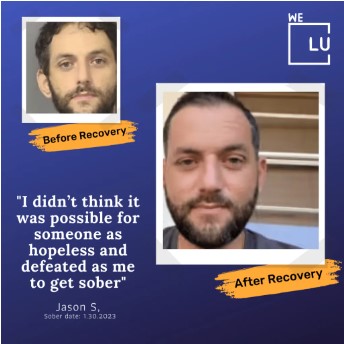
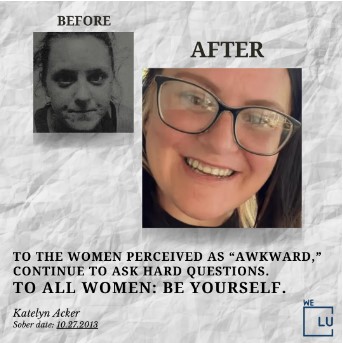
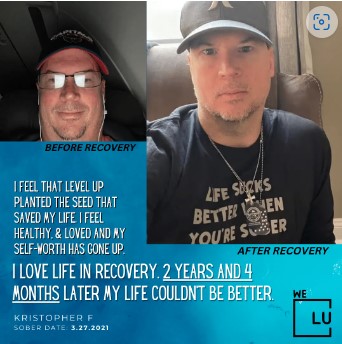
See our authentic success stories. Get inspired.
Get the help you deserve.
Start a New Life
Begin with a free call to a behavioral health treatment advisor. Learn more about our dual-diagnosis programs. The We Level Up treatment center network delivers recovery programs that vary by each treatment facility. Call to learn more.
- Personalized Care
- Caring Accountable Staff
- World-class Amenities
- Licensed & Accredited
- Renowned w/ 5-Star Reviews