

Situational Depression Treatment in Spokane, Washington
Situational depression, also called reactive depression, is a type of depression that happens because of certain events or situations in one’s life.
Clinically Reviewed by Lauren Barry, LMFT, MCAP, QS
Medically Reviewed by Ali Nikbakht, PsyD
Updated on June 5, 2026 — Editorial Policy | Research Policy
Life can throw hard things at you, like losing a job, a loved one passing away, or big changes like moving or divorce. When these events hit, you might feel very sad, hopeless, or stuck. This is called situational depression, also known as adjustment disorder with depressed mood. It is a real reaction to stress, not a sign you are weak. Many people go through it, and with good support, most feel better as they adjust to the new situation.
We talk to you like a caring friend. If you or someone close feels this way, keep reading. We explain situational depression support, ways to cope, and simple steps to start feeling better. You deserve help, hope, and brighter days.
What Is Situational Depression?
Situational depression happens after a clear stressful event or big life change. It brings strong sadness or low mood that makes daily life harder. Unlike ongoing depression that may not have a clear cause, this type links directly to something tough that happened.
It normally develops in three months of the precipitating event. Symptoms will subside as the individual becomes used to the change or the crisis is solved. However, the burden will be overwhelming and even lasting without intervention. According to epidemiological research, it is estimated that between 5 and 20 percent of people in mental institutions are in this kind of struggle.
You are not alone. This is a normal physiological reaction to suffering and help can be of great help.
How It Differs from Other Depression
Situational depression ties to a specific trigger, like a breakup or job loss. Once you adapt, it often fades. Regular depression can come without a clear reason and last months or years.
This type feels intense but shorter. It may not need long medicine, but talk support helps a lot. Spotting the difference lets you get the right kind of situational depression treatment faster.
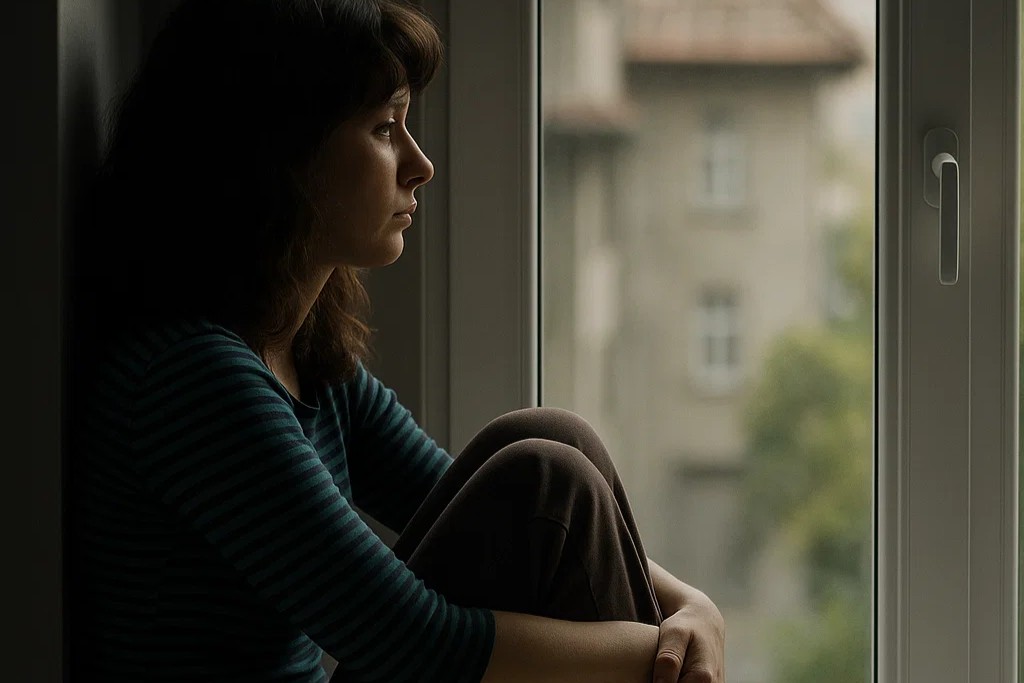
Common Causes and Triggers
Many things can spark situational depression. These are some common ones:
- Loss of a loved one through death or breakup.
- Losing a job or facing money problems.
- Big moves to a new place or home.
- Health scares or serious illness news.
- Accidents, natural disasters, or scary events.
- Starting or ending school, retirement, or new roles.
These events shake up your normal life and feel overwhelming. Your brain’s stress system stays on high alert. Things like little support from others or past hard times can make it stronger. It is not your fault.
Signs and Symptoms to Watch For
Situational depression shows in many ways. Here are key emotional, physical, and daily signs:
- You feel sad, empty, or hopeless most of the time.
- Crying happens easily, or you feel like crying but hold it in.
- You lose interest in things you used to enjoy.
- Worry, anxiety, or feeling on edge grows big.
- Sleep changes, like trouble falling asleep or sleeping too much.
- Eating habits shift, leading to weight changes.
- You pull away from friends or family.
Other signs include trouble focusing, making decisions, or feeling very tired even after rest. Headaches or stomach pain may appear too. If these last weeks and make life hard, it is time for situational depression support.
End the Emotional Pain. Get Your Life Back.
Feeling Depressed, Anxious or Struggling with Mental Health Illness? Get Safe Comfortable Mental Health Dual Diagnosis High-Quality Therapy From Counselors That Care. Begin Your Recovery Now.
Hotline: (509) 348-4077

How It Affects Daily Life
This kind of depression makes normal tasks feel heavy. Work or school suffers because focus drops. Relationships strain when you avoid people or snap easily. Fun activities lose their joy.
Over time, you might feel more alone or turn to unhealthy ways to cope, like too much alcohol. But many people bounce back with help. Early care stops it from turning into longer problems.
Coping with Situational Depression
Coping with situational depression starts with small, kind steps. Try these helpful ideas:
- Talk to a trusted friend or family member about how you feel.
- Move your body with short walks or gentle exercise to lift mood.
- Eat regular healthy meals and drink water to keep energy up.
- Practice deep breathing or simple calm exercises when worry rises.
- Write down thoughts or feelings to get them out safely.
- Stick to a daily routine for sleep, meals, and rest.
These build strength day by day. Be patient with yourself. Small wins add up.
Comfortable Facilities & Amenities
High-Quality Mental Health Services & Behaviroal Health Substance Abuse Treatment
Rehab Centers TourRenowned Mental Health Centers. Serene Private Facilities. Inpatient Rehab Programs Vary.
Mental Health Helpline: (509) 348-4077Proven recovery success experience, backed by a Team w/ History of:
15+
Years of Unified Experience
100s
5-Star Reviews Across Our Centers
10K
Recovery Success Stories Across Our Network
- Low Patient to Therapist Ratio
- Comprehensive Dual-Diagnosis Treatment
- Complimentary Family & Alumni Programs
- Coaching, Recovery & Development Events
- Comfortable Onsite Medical Detox Center
Situational Depression Treatment Options
Good situational depression treatment helps you process the stress and learn new ways to handle it. Common helpful options include:
- Talk therapy like CBT to change negative thoughts and build skills.
- Mindfulness practices to stay in the present and reduce overthinking.
- Group sessions where you share with others in similar spots.
- Short-term medicine if sadness or sleep issues feel too strong.
- Family talks to improve support at home.
We create plans that fit your life. Many people feel relief in weeks with steady care.

When to Reach Out for Help
If symptoms last more than a few weeks or stop you from daily tasks, seek support soon. Call if you feel unsafe, hopeless, or have thoughts of harm. Help lines like 988 are free and there 24/7.
Early stress-related depression guidance makes recovery faster. You do not need to wait until it feels worse.
21 million
An estimated 21.0 million adults in the United States had at least one major depressive episode. This number represented 8.4% of all U.S. adults.
Source: National Institute on Mental Health
10.5%
The prevalence of major depressive episodes was higher among adult females (10.5%) compared to males (6.2%).
Source: National Institute on Mental Health
17.0%
The prevalence of adults with a major depressive episode was highest among individuals aged 18-25 (17.0%).
Source: National Institute of Mental Health
World-class, Accredited, 5-Star Reviewed, Effective Mental Health Dual Diagnosis Programs. Complete Integrated Inpatient Rehab with Free Post Discharge Therapy Planning.
Hotline: (509) 348-4077End the Emotional Pain Rollercoaster. Gain Stability & Happiness Through Recovery Treatment. Start Mental Health Counseling Today. Get Free No-obligation Guidance by Behaviroal Health Specialists Who Understand Mental Health Recovery.
Coping with Depression – Informative Video
Coping with depression can be challenging, but there are several strategies you can use to help manage your symptoms. Exercising, eating healthy, and getting enough sleep can help improve your mood. Talking to a therapist can also be beneficial, as they can provide additional resources and help you process your thoughts and feelings. Lastly, knowing what triggers your depressive episodes can help you better prepare for them.
Frequently Asked Questions
What is situational depression support?
It refers to the acquisition of help services in the form of talk therapy, coping mechanisms or medication to cope with sadness after a difficult life event. This kind of assistance speeds up recovery.
What is the difference between regular depression and situational depression?
Situational depression is the one caused by a specific stressor and is usually corrected through adaptation. Traditional depression can be long-lasting with no identifiable antecedent.
What are typical signs of situational depression?
Symptoms are persistent sadness, loss of interest, sleeping or eating problems, hopelessness, isolation, and somatic complaints.
What should I do to deal with situational depression at home?
Talk to trusted people, do light physical exercises, eat a healthy diet, use techniques of deep breathing, have a regular routine, and be kind to yourself. These exercises boost mood in stages.
Should there be treatment of situational depression?
Yes, psychotherapy is usually helpful, and short-term medication can help in reducing serious symptoms. Support improves the adaptation and gives strength back.
Where can I find help for situational depressive episodes?
Mental health centres in the area carry out full treatment and tailor-made schemes. See a hotline or make a free appointment to start care.
Final Thoughts
Situational depression support offers tangible hope when life feels burdensome after a major change or loss. Depression, loss of energy, and nervousness are normal, but are not enduring. Simple coping mechanisms, supportive peers nearby and systematic therapy help many of them to regain their equilibrium. You are a strong person and you should have the opportunity to recover.
Take one easy step today. Call We Level Up Washington at (509) 348-4077 for a free, private conversation. Our team in Spokane Valley listens and helps create a plan just for you. Reach out now – better days and real peace are closer than you think. You matter.
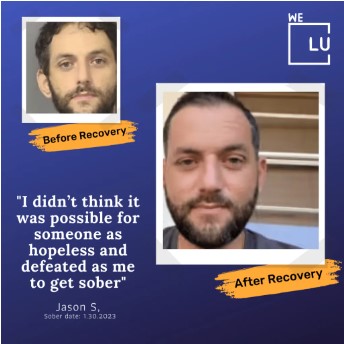
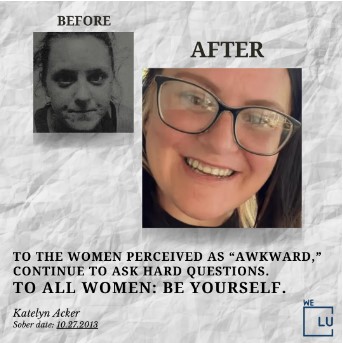
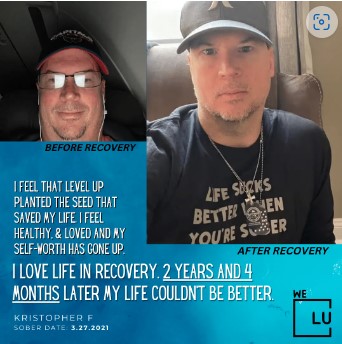
Experience Transformative Recovery at the We Level Up Treatment Center.
See our authentic success stories. Get inspired.
Get the help you deserve.
Start a New Life
Begin with a free call to a behavioral health treatment advisor. Learn more about our dual-diagnosis programs. The We Level Up treatment center network delivers recovery programs that vary by each treatment facility. Call to learn more.
- Personalized Care
- Caring Accountable Staff
- World-class Amenities
- Licensed & Accredited
- Renowned w/ 5-Star Reviews