

Finding the Best Antidepressant in Spokane Valley
Choosing the best antidepressant is not a simple process. Effective medications from the past are a good starting point. New users of antidepressants should consider the risks involved in making their selection.
Clinically Reviewed by Lauren Barry, LMFT, MCAP, QS
Medically Reviewed by Ali Nikbakht, PsyD
Updated on June 5, 2026 — Editorial Policy | Research Policy
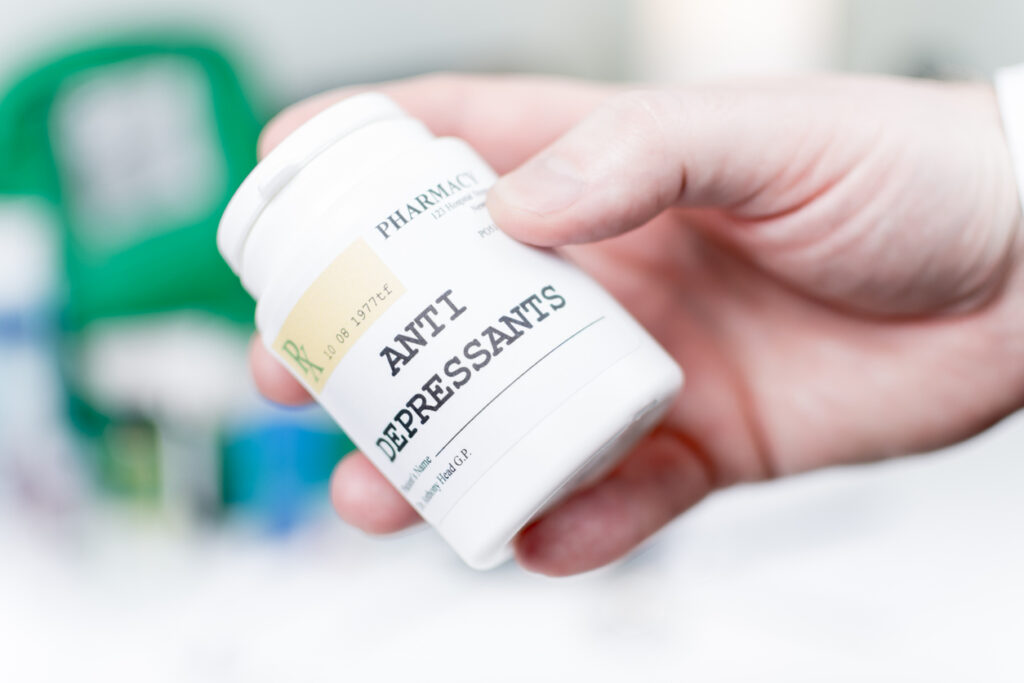
Choosing the best antidepressant should feel simple, safe, and based on your goals and health history. Clinicians should explain options clearly and build a steady plan you can follow.
What are Antidepressants
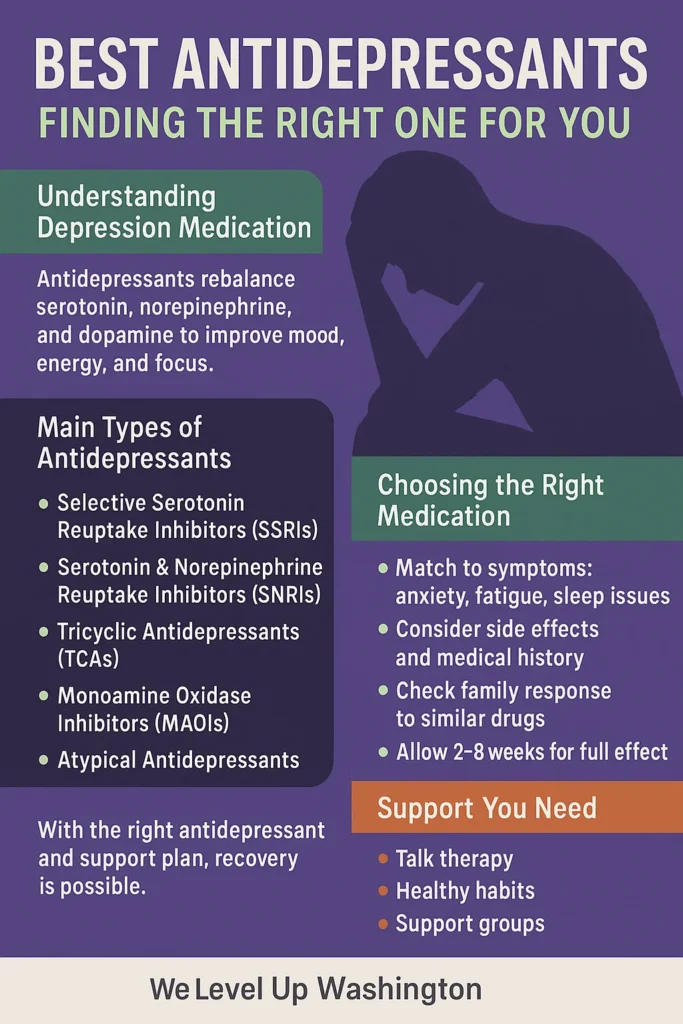
Mood, sleep, energy, and focus can be affected by chemicals in the brain that are out of balance during hard times. Antidepressants help balance these chemicals. In the first two to four weeks, most people notice changes. After a few more weeks, they see bigger gains.
Your plan may include antidepressant medication from several classes chosen to match symptoms of depression and health needs. We Level Up Washington reviews types of antidepressants to guide choices and track responses over time.
Skip To
Table of Contents
When to Seek Support
Reach out if symptoms of depression like sadness, worry, low energy, or loss of interest disrupt daily life for two weeks. Notice changes in sleep, appetite, or focus that make tasks harder or less rewarding than before. Seek urgent help for unsafe thoughts, severe panic, or sudden mood changes that feel dangerous or frightening. Early care shortens suffering and helps treat depression more safely and effectively.
Medication Options
Always select FDA approved drugs supported by research and matched to your symptoms, history, and daily goals for function. SSRIs are often commonly prescribed first because they are well studied and usually well tolerated. SNRIs support mood and energy and may help chronic pain that accompanies depression for some people. Bupropion targets norepinephrine and dopamine, which can improve drive and focus with fewer sexual side effects.
End the Emotional Pain. Get Your Life Back.
Feeling Depressed, Anxious or Struggling with Mental Health Illness? Get Safe Comfortable Mental Health Dual Diagnosis High-Quality Therapy From Counselors That Care. Begin Your Recovery Now.
Hotline: (509) 348-4077

Tricyclic Antidepressants and MAOIs:
Tricyclic antidepressants can help when newer antidepressants have not given enough relief or when pain complicates mood symptoms. TCAs require careful dosing and slow titration, with monitoring for dry mouth, dizziness, constipation, and possible changes in heart rhythm. Monoamine oxidase inhibitors MAOIs are effective for select cases but require strict food and medication interaction precautions.
Safety Essentials
Most early side effects are mild and fade as your body adapts to the medicine and dosing. Share all drugs and supplements because interactions can change levels and increase risk in daily life. Learn the symptoms of serotonin syndrome, such as confusion, fever, sweating, tremor, and stiffness, and seek urgent care if they appear. Don’t stop all of a sudden; we taper safely to protect your success and ease the symptoms of withdrawal.
Integrated Care
Medicine reduces symptom intensity so therapy skills can take root and last through stress and change. Cognitive and behavioral tools rebuild routines, improve sleep, and support attention, motivation, and daily activities that matter. We integrate talk therapy with medication management to treat bipolar disorders. For many people, the joint plan works better and lasts longer than either treatment alone.
Get Help. Get Better. Get Your Life Back.
Searching for Accredited Dual Diagnosis Mental Health Centers Near You?
Even if therapy failed previously, or are in the middle of a difficult crisis, we stand ready to support you. Our trusted behavioral health specialists will not give up on you. When you feel ready or just want someone to speak to about counseling alternatives to change your life call us. Even if we cannot assist you, we will lead you to wherever you can get support. There is no obligation. Call our hotline today.
FREE 24/7 Dual Diagnosis Mental Health Services HotlineCo-Occurring Challenges
When you drink or do drugs, they can make your mood problems worse and your medicines less useful in everyday life. Help with rehab, staying sober, and mental health care are all parts of the same plan that treats both issues. Anxiety and sadness often go together, so we use medications, such as SSRIs or SNRIs along with breathing exercises, grounding, and sleep habits. Take SNRIs or TCAs to help with pain and mood, and learn how to move and pace.

Screening and Monitoring
It’s important to check for bipolar disorder because some people with bipolar features can make cycling worse just by taking antidepressants. We ask about past highs, not needing to sleep as much, racing thoughts, and family habits that might make the risk higher.
Because some drugs can change blood pressure or heart rhythm, we keep an eye on them as needed to make sure everyone is safe. Benefits, side effects, antidepressants, including timing and dosage, and simple daily goals that track success are reviewed at regular check-ins.
Why Choose We Level Up Washington
Some of the things we do to help you feel better and stay better are CBT, DBT, drugs, and alumni support. As progress is made, you get careful follow-ups and small changes that keep you safe.
Antidepressants help you meet your goals while you are being treated. You are taught, watched, and given choices one at a time. Our main goal is to help you do well at work, in relationships, and in everyday life. We use antidepressants list and review types of antidepressants to guide patients.
Comfortable Facilities & Amenities
High-Quality Mental Health Services & Behaviroal Health Substance Abuse Treatment
Rehab Centers TourRenowned Mental Health Centers. Serene Private Facilities. Inpatient Rehab Programs Vary.
Mental Health Helpline: (509) 348-4077Proven recovery success experience, backed by a Team w/ History of:
15+
Years of Unified Experience
100s
5-Star Reviews Across Our Centers
10K
Recovery Success Stories Across Our Network
- Low Patient to Therapist Ratio
- Comprehensive Dual-Diagnosis Treatment
- Complimentary Family & Alumni Programs
- Coaching, Recovery & Development Events
- Comfortable Onsite Medical Detox Center
Frequently Asked Questions (FAQs)
-
What is the best medication for me?
Your symptoms of depression, medical background, side effect comfort, and daily function goals should all be taken into consideration. Usually, we start with an SSRI or SNRI and change it based on how well it works at first. Your simple notes every week help you make choices at each check-in more quickly and safely. If work stops, we use a clear antidepressants list to make one change at a time.
-
After starting antidepressant medication, how long will I feel better?
In just two to four weeks, you should start to notice small improvements, like better sleep or more stable mornings at home. If you keep taking the medicine and see your doctor, the mood change could last for 6 to 8 weeks. If things don’t change after a few weeks, we look at the dose, timing, interactions, and general fit again. Setting clear goals for each step helps make sure that success can be seen and measured.
-
Do people still use TCAs? Are they safe?
Tricyclic antidepressants do work. Newer antidepressants may not help enough with symptoms when TCAs are used instead. TCAs need to be started with low amounts, titrated for each patient, and checked for side effects and changes in heart rhythm.
A lot of patients do well when they are carefully checked out and closely watched during each time of adjustment. We tell you about the pros, cons, and other options so you can make a knowledgeable and easy choice. -
What is serotonin syndrome, and how can I stay safe?
Too much serotonin intake can cause serotonin syndrome, which is very rare and very bad. Always tell your doctor about all of your vitamins and medicines. Do not mix medicines that are not meant to be taken together.
-
Can a drug that treats depression also help with anxiety?
Yes, SSRIs and SNRIs are commonly prescribed for depression and anxiety, supported by substantial research worldwide. Medicine lessens the severity of symptoms so that therapy skills can stick even when things get tough.
-
What can I do if my drug makes me gain weight?
Not all drugs seem to have an effect on weight. Some can make you gain or lose weight. Daily walks, steady meals, and getting enough sleep all lower risk and speed up the repair process. We can switch drugs, change the amount, or add more aids if the weight changes don’t stop.
-
Are MAOIs ever a good option?
Monoamine oxidase inhibitors MAOIs can help when other options fail, but they need special diet and interaction rules.
-
What if the first drug I take doesn’t work or makes things worse?
We make sure of the dosage, timing, adherence, and interactions with other medicines before we change your plan. You can increase the amount, switch classes, switch classes across, or add a helper as an option. Making one change at a time keeps things clear and helps you figure out what works best for you. Your updated antidepressants list becomes a personal record that guides safer decisions over time.
Call We Level Up Washington Today
Take the next step with a group that will listen, talk you through your options, and make a plan based on your life. We carefully match the best antidepressant medication to your needs, schedule, and budget, and look at all of your choices to make sure they are safe. Admissions checks your benefits, makes appointments quickly, and is there to help you through every step.
Call We Level Up Washington: (509) 348-4077 now, and start a safe, practical path towards long-term recovery.
Further Readings
External Sources
GoodRX: Your Guide to 5 Common Antidepressants
Internal Sources
Medications For Major Depressive Disorder