

Anxiety Treatment in Washington – Personalized Care to Help You Regain Control
Get the help you need at one of the best anxiety treatment centers Washington State can offer. Reach out to We Level Up Washington and find out how we can help you lead a happier life.
Clinically Reviewed by Lauren Barry, LMFT, MCAP, QS
Medically Reviewed by Ali Nikbakht, PsyD
Updated on June 6, 2026 — Editorial Policy | Research Policy
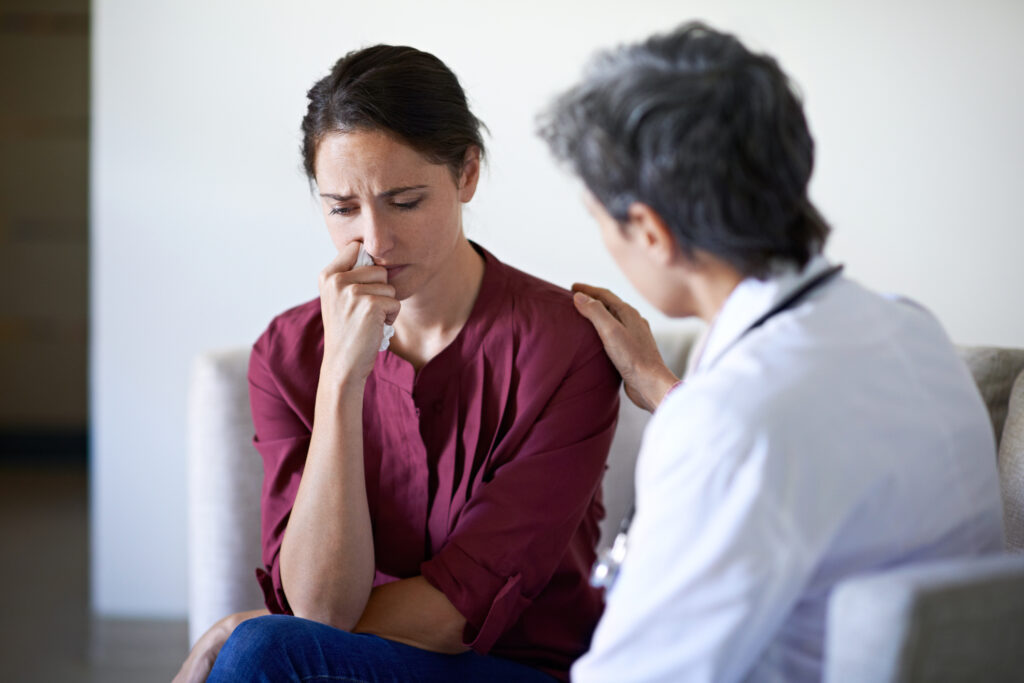
Feeling anxious sometimes is normal. Everyone worries now and then. But when worry takes over your life, it can be hard to sleep, work, or spend time with people you love. Anxiety can feel like it never stops. It can make your heart race, make it hard to focus and even make you feel sick.
The good news is you don’t have to live like this. An anxiety treatment center can help. These treatment centers for anxiety disorders give support, care, and tools to manage anxiety. They help you feel calm and take back control of your life.
This guide explains anxiety, how treatment works, and what you can expect from a treatment center like We Level Up Washington.
Skip To
Table of Contents
What Is Anxiety?
Anxiety is your body’s way of reacting to stress. It can help you stay alert in tough situations. But sometimes, anxiety can become too strong or last too long. When this happens, it may be an anxiety disorder.
An anxiety disorder is not your fault. It is a real medical condition that needs care. With help, anxiety can be managed.
Common Types of Anxiety Disorders
- Generalized Anxiety Disorder (GAD): Worrying all the time about many things.
- Social Anxiety Disorder: Feeling scared or nervous around people.
- Panic Disorder: Sudden strong fear that comes with fast heartbeat, sweating or shaking.
- Obsessive-Compulsive Disorder (OCD): Repeating thoughts or actions that feel out of control.
- Post-Traumatic Stress Disorder (PTSD): Anxiety after a scary or hurtful event.
- Specific Phobias: Extreme fear of certain things like heights, spiders, or flying.
Symptoms may include:
- Racing thoughts
- Trouble sleeping
- Feeling tense or on edge
- Fast heartbeat or stomach aches
- Difficulty concentrating
Anxiety can happen because of stress, genetics, or past trauma. But there is help available.

When Should You Get Help?
You should see a professional if anxiety:
- Makes it hard to go to work or school
- Affects your relationships or social life
- Causes panic attacks or constant fear
- Keeps you worried even when nothing is wrong
- Stops your normal daily activities
Getting help early can prevent anxiety from getting worse. It does not mean you are weak. It means you are taking care of yourself.
How Anxiety Treatment Centers Help
Anxiety treatment centers give care that is designed for each person. They offer ways to manage anxiety safely. Treatment may include therapy, medication, lifestyle changes and support groups.
1. Therapy for Anxiety
Therapy helps you understand anxiety and learn ways to cope.
Cognitive Behavioral Therapy (CBT) is one of the most common types. It teaches you to:
- Spot negative thoughts
- Change thinking patterns
- Learn coping skills
Therapy can be done one-on-one or in groups.
2. Medication for Anxiety
Some people need medicine to help calm their mind or body. A doctor or psychiatrist decides if it is needed. Medicines can:
- Reduce panic attacks
- Help with sleep
- Lower constant worry
Medication is often combined with therapy for the best results.
3. Treatment Without Medication
Not everyone wants or needs medication. Many centers offer options like:
- Mindfulness and meditation
- Breathing exercises
- Gentle exercise or yoga
- Nutrition support
- Art, music, or creative therapy
These help the mind and body relax naturally.
4. Outpatient Anxiety Treatment
Outpatient anxiety treatment lets you go to therapy or sessions during the day but live at home. This works well if you.
- Work or go to school
- Have family responsibilities
- Want more flexibility in your schedule
Outpatient care still gives support and guidance while letting you stay in your daily life.
5. Group Support
Talking to others who understand anxiety can help. Support groups offer.
- Shared experiences
- Encouragement
- Tips for coping
Group therapy can make you feel less alone and more confident in social situations.
6. Specialized Anxiety Care
Some people have more complex anxiety like OCD, PTSD or severe panic attacks. Anxiety treatment centers offer structured programs with.
Tools for long-term recovery
Personalized care plans
Skilled therapists and doctors
End the Emotional Pain. Get Your Life Back.
Feeling Depressed, Anxious or Struggling with Mental Health Illness? Get Safe Comfortable Mental Health Dual Diagnosis High-Quality Therapy From Counselors That Care. Begin Your Recovery Now.
Hotline: (509) 348-4077

Self-Care Tips for Anxiety
Along with professional help, simple daily habits can help manage anxiety.
- Sleep 7–9 hours every night
- Eat regular healthy meals
- Exercise for 20–30 minutes most days
- Limit caffeine and alcohol
- Practice mindfulness or deep breathing
- Set small, realistic goals
Even small changes can make a big difference.
How Anxiety Is Diagnosed
A professional diagnoses anxiety using:
- Your personal and medical history
- Questionnaires and checklists
- Observations of your behavior and symptoms
Diagnosis is important to create a treatment plan that works for you.
Anxiety in Different Ages
Children and Teens
Anxiety in kids may look like:
- Avoiding school
- Irritability or anger
- Stomachaches or headaches
Early help teaches healthy coping skills and prevents problems later.
Adults
Adults may face:
- Work stress
- Relationship problems
- Trouble sleeping
Treatment focuses on therapy, lifestyle changes, and sometimes medication.
Seniors
Older adults can have anxiety with other health challenges. Treatment is adapted to their needs, focusing on safety, therapy and support.
Get Help. Get Better. Get Your Life Back.
Searching for Accredited Dual Diagnosis Mental Health Centers Near You?
Even if therapy failed previously, or are in the middle of a difficult crisis, we stand ready to support you. Our trusted behavioral health specialists will not give up on you. When you feel ready or just want someone to speak to about counseling alternatives to change your life call us. Even if we cannot assist you, we will lead you to wherever you can get support. There is no obligation. Call our hotline today.
FREE 24/7 Dual Diagnosis Mental Health Services Hotline
Causes and Triggers of Anxiety
Anxiety can be caused by:
- Stress at work, school or home
- Past trauma or abuse
- Health problems
- Family history or genetics
- Substance use
Knowing what triggers your anxiety can help you and your therapist manage it better.
Who Works at an Anxiety Treatment Center?
A team of professionals supports your care:
- Therapists: Help with talk therapy and coping skills
- Psychiatrists: Prescribe medication if needed
- Nurses and counselors: Monitor progress and give support
- Social workers: Help with daily life and resources
Having a team ensures you get the right care for your needs.
Comfortable Facilities & Amenities
High-Quality Mental Health Services & Behaviroal Health Substance Abuse Treatment
Rehab Centers TourRenowned Mental Health Centers. Serene Private Facilities. Inpatient Rehab Programs Vary.
Mental Health Helpline: (509) 348-4077Proven recovery success experience, backed by a Team w/ History of:
15+
Years of Unified Experience
100s
5-Star Reviews Across Our Centers
10K
Recovery Success Stories Across Our Network
- Low Patient to Therapist Ratio
- Comprehensive Dual-Diagnosis Treatment
- Complimentary Family & Alumni Programs
- Coaching, Recovery & Development Events
- Comfortable Onsite Medical Detox Center
Frequently Asked Questions (FAQs)
-
What is an anxiety treatment center?
An anxiety treatment center is a place where people go to get help for anxiety. You can talk to trained professionals like therapists and counselors. They give advice, teach ways to manage worry, and sometimes provide medicine if it is needed. The goal is to help you feel calmer, sleep better, and handle stress in daily life.
-
Can I get outpatient anxiety treatment?
Yes. Outpatient treatment means you go to the center for sessions during the day but still live at home. This is good if you have work, school or family responsibilities. You can get therapy, learn coping skills, and still keep your normal routine.
-
Is it possible to get anxiety treatment without medications?
Yes. Many people do not need medicine. Therapy, lifestyle changes, mindfulness, breathing exercises and relaxation techniques can help reduce anxiety. These options teach your mind and body to calm down naturally and are often used together with professional support.
-
How long does anxiety treatment take?
Treatment can be different for everyone. Some people feel better in a few weeks. Others may need several months of therapy and support. It depends on how severe your anxiety is, your age, and what treatment works best for you. Progress may be slow at first, but every small step matters.
-
Can children get help at an anxiety treatment center?
Yes. Children and teens can get help too. Special programs are made just for them. They learn coping skills, ways to manage worry and how to feel more confident. Early help can make a big difference in school, friendships and overall happiness.
-
Does therapy really help anxiety?
Yes. Therapy is very effective for anxiety. It teaches you how to understand your worries, control negative thoughts and handle stress in daily life. Many people notice that they sleep better, feel calmer and can enjoy life more after therapy. Support from a therapist makes it easier to face anxiety step by step.
Conclusion
Anxiety can feel scary, exhausting, and hard to control. But you do not have to face it alone. Anxiety treatment centers are places where trained professionals help you feel calm, safe and supported. You can get therapy, learn skills to manage worry and, if needed, receive medication.
Even small steps, like joining therapy, practicing mindfulness, or attending outpatient sessions, can make a big difference. The first step is reaching out and asking for help. Call We Level Up Washington: (509) 348-4077 to start your path to feeling calmer. You deserve support, and help is ready for you.
Reach out to We Level Up Washington anxiety treatment center today. You deserve support, and help is here to guide you through recovery.