

Unipolar Depression Treatment: Therapy, Care, and Help
We delve into unipolar depression, a prevalent mental health disorder affecting millions worldwide. We clearly define unipolar depression and discuss its symptoms, including persistent sadness, loss of interest, and changes in appetite or sleep patterns. Furthermore, we explore various treatment approaches, from therapy to medication, and highlight the importance of seeking professional help. Join us as we shed light on unipolar depression and empower individuals to find effective strategies for healing and recovery.
Clinically Reviewed by Lauren Barry, LMFT, MCAP, QS
Medically Reviewed by Ali Nikbakht, PsyD
Updated on February 6, 2026 — Editorial Policy | Research Policy
Do you feel sad most days, like nothing brings joy anymore? Maybe you have low energy, trouble sleeping or thoughts that make you feel worthless. This is unipolar depression, also called major depressive disorder. It brings heavy feelings that last a long time and make life hard. Many people go through this, and you do not have to face it alone.
We speak to you like a caring friend. If this sounds like you or someone you love, this page explains unipolar depression treatment. We cover what it is, signs to notice, why it happens, how doctors find it and real ways to heal. Major depressive disorder support works well for most people. You deserve to feel lighter and enjoy life again. Let’s walk through this together.
What Is Unipolar Depression?
Unipolar depression means a deep sadness that stays for weeks or longer without any high or excited moods. Unlike bipolar disorder, there are no times of feeling super energetic or overly happy. It is the most common type of serious depression. People call it major depressive disorder too.
This condition changes how you think, feel and act every day. Simple tasks feel too big. Joy from hobbies or friends fades away. It can start at any age but often shows up in young adults. With the right unipolar depression treatment, many people get their spark back and live full lives.

Unipolar Depression vs Other Mood Disorders
Understanding the difference between unipolar depression and other mood disorders can reduce confusion and fear. Unipolar depression includes only depressive episodes.
Bipolar disorder includes both low moods and high moods. These high moods do not occur in unipolar depression. Getting the right diagnosis helps guide proper unipolar mood disorder help and treatment.en effective treatments are available.
End the Emotional Pain. Get Your Life Back.
Feeling Depressed, Anxious or Struggling with Mental Health Illness? Get Safe Comfortable Mental Health Dual Diagnosis High-Quality Therapy From Counselors That Care. Begin Your Recovery Now.
Hotline: (509) 348-4077

Signs and Symptoms to Watch For
Unipolar depression shows in many ways. Symptoms must last most of the day, nearly every day, for at least two weeks to point to this condition.
Here are common signs:
- Feeling sad, empty, or hopeless almost all the time.
- Losing interest in things you used to love, like sports or time with family.
- Big changes in eating, leading to weight gain or loss without trying.
- Trouble sleeping or sleeping too much.
- Feeling very tired or low on energy even after rest.
- Hard time focusing, remembering, or making choices.
- Feeling bad about yourself, guilty, or worthless.
- Thoughts about death or hurting yourself.
Some people feel more physical pain, like headaches or stomach issues that doctors cannot fix. If these happen to you, talk to We Level Up Washington and get proper treatment.
Why Unipolar Depression Happens
No one cause leads to unipolar depression. It comes from a mix of things working together.
Biology plays a big part. Brain chemicals like serotonin get out of balance. Genes can raise the chance if family members had it. Health problems or hormone changes add risk too.
Life events matter a lot. Tough times like loss, abuse or big stress push some people into depression. Negative thinking patterns or low self-worth make it worse. In places with long dark winters, less sunlight can trigger it.
Understanding these helps build a plan for major depressive disorder support that fits your life.
How Doctors Diagnose It
Doctors talk with you to learn about your feelings and daily life. They ask about symptoms, how long they last, and if anything started them. No blood test or scan finds it, so honest answers help most.
They check for other causes like thyroid issues or medicine side effects. They also look to make sure it is not bipolar by asking about any past high moods. A clear dual diagnosis opens the door to the best therapy for unipolar depression.

Main Unipolar Depression Treatment Options
Treatment helps most people feel much better. Doctors often combine a few ways for the strongest results.
Medicine is common for moderate or severe cases. Antidepressants balance brain chemicals. SSRIs like sertraline start first because they have fewer side effects. SNRIs or other types work if needed. A doctor watches closely and adjusts as you go.
Therapy talks through feelings and builds skills. Cognitive Behavioral Therapy changes negative thoughts. Interpersonal Therapy fixes relationship problems. These help as much as medicine for many.
Comfortable Facilities & Amenities
High-Quality Mental Health Services & Behaviroal Health Substance Abuse Treatment
Rehab Centers TourRenowned Mental Health Centers. Serene Private Facilities. Inpatient Rehab Programs Vary.
Mental Health Helpline: (509) 348-4077Proven recovery success experience, backed by a Team w/ History of:
15+
Years of Unified Experience
100s
5-Star Reviews Across Our Centers
10K
Recovery Success Stories Across Our Network
- Low Patient to Therapist Ratio
- Comprehensive Dual-Diagnosis Treatment
- Complimentary Family & Alumni Programs
- Coaching, Recovery & Development Events
- Comfortable Onsite Medical Detox Center
More Ways to Heal: Therapy and Lifestyle
Therapy for unipolar depression teaches tools to handle tough days. You learn to spot unhelpful thoughts and replace them with kinder ones. Group sessions let you share with others who understand.
Lifestyle steps support healing too. Regular walks or exercise lift mood naturally. Eating good foods with fruits, veggies and fish helps brain health. Good sleep habits calm the mind. Mindfulness or deep breathing eases worry.
These depression care strategies work alongside other treatments. Small changes add up to big relief.
When Depression Does Not Get Better Right Away
Some people need extra help if first treatments do not work fully. Doctors try different medicines or add another one. Therapy can switch types or go more often.
Other options like light therapy help with winter sadness. In hard cases, brain stimulation methods give hope. The key is not giving up. Adjustments lead to better days for almost everyone.
Building Support and Preventing Return
Strong support makes healing last. Talk openly with family or friends. Join groups to feel less alone. Keep up healthy habits even after feeling better.
Watch for early signs to catch slips fast. Regular check-ins with a doctor or therapist keep things steady. Many people stay well for years with ongoing care.

World-class, Accredited, 5-Star Reviewed, Effective Mental Health Dual Diagnosis Programs. Complete Integrated Inpatient Rehab with Free Post Discharge Therapy Planning.
Hotline: (509) 348-4077End the Emotional Pain Rollercoaster. Gain Stability & Happiness Through Recovery Treatment. Start Mental Health Counseling Today. Get Free No-obligation Guidance by Behaviroal Health Specialists Who Understand Mental Health Recovery.
Frequently Asked Questions
What is unipolar depression in simple words?
Unipolar depression is major sadness that lasts a long time without any happy high moods. It makes daily life feel hard and heavy.
How is unipolar depression different from bipolar?
Unipolar has only low moods. Bipolar adds times of very high energy or excitement called mania.
What are the best unipolar depression treatment choices?
Medicine like antidepressants, talk therapy such as CBT and healthy habits like exercise work well together for most people.
How long does therapy for unipolar depression take?
It varies. Some feel better in weeks, others need months. Steady help brings lasting change.
Does lifestyle change help manage mood disorders?
Yes; exercise, eating habits, sleep and stress-reduction strategies reduce depressive symptomatology.
Is there a place where professional help is obtained instantly?
Get a team of multidisciplinary mental health workers; these are better placed to provide structured, non-judgmental care and enable recovery through safe channels.
You Can Feel Hope Again
The unipolar depression can bring in a lot of isolation and darkness; however, a systematic treatment approach gradually reinstates agency and euphoria. Collectively, pharmacologic, therapeutic, and supportive interventions help in picking away the weight that is pressing on thousands of people. The depressive affect is something that can be taught to be controlled to achieve happiness again, and this is the message that the whole world should be taught to not be afraid that things can be brighter.
When being depressed constantly becomes a problem in your life, then call our staff at (509) 348 4077. We do care with compassion with no pressure and we take you through the initial step of your healing process.
Experience Transformative Recovery at the We Level Up Treatment Center.
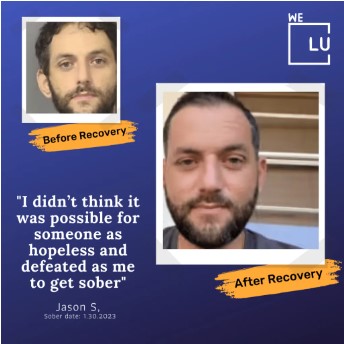
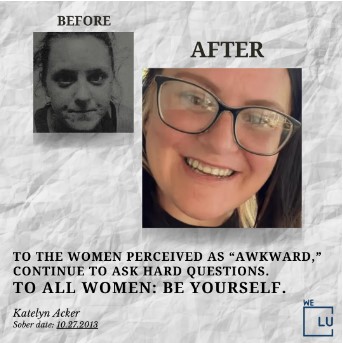
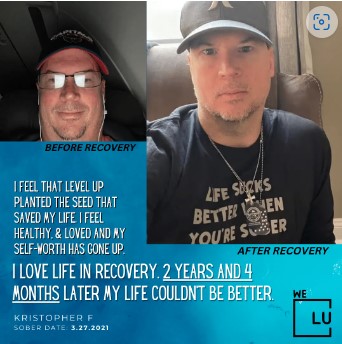
See our authentic success stories. Get inspired.
Get the help you deserve.
Start a New Life
Begin with a free call to a behavioral health treatment advisor. Learn more about our dual-diagnosis programs. The We Level Up treatment center network delivers recovery programs that vary by each treatment facility. Call to learn more.
- Personalized Care
- Caring Accountable Staff
- World-class Amenities
- Licensed & Accredited
- Renowned w/ 5-Star Reviews