

How to Help Someone with Drug Addiction and Depression in Spokane Valley, Washington
Drug Addiction and Depression Supporting someone who is dealing with addiction and depression can feel confusing and overwhelming. These two problems often occur together. This makes life harder for the person struggling and for their loved ones. A lot of families in Spokane Valley observe both problems in a loved one at the same time […]
Clinically Reviewed by Lauren Barry, LMFT, MCAP, QS
Medically Reviewed by Ali Nikbakht, PsyD
Updated on February 20, 2026 — Editorial Policy | Research Policy
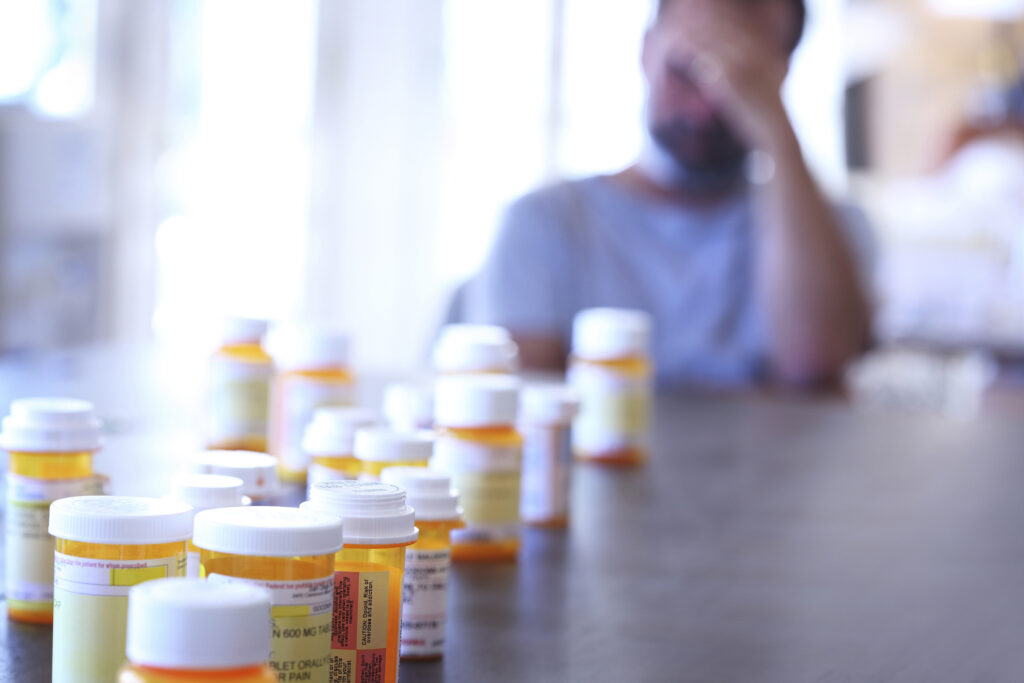
Drug Addiction and Depression
Supporting someone who is dealing with addiction and depression can feel confusing and overwhelming. These two problems often occur together. This makes life harder for the person struggling and for their loved ones.
A lot of families in Spokane Valley observe both problems in a loved one at the same time and don’t know what to do or how to start.
Someone facing depression and addiction may seem tired, withdrawn, or hopeless. They might use drugs to escape painful feelings. Over time, this becomes a cycle: the drugs make the depression worse, and the depression leads to more drug use. This cycle is why many people need strong support and professional care to recover.
At We Level Up Washington, we understand how heavy and confusing addiction depression can feel. With the right treatment, the right tools, and the right support, recovery is possible. This guide explains how to recognize the signs, how to help a loved one safely, and what treatment options look like in Spokane Valley.
Skip To
Table of Contents
Understanding the Connection Between Addiction and Depression
Addiction and depression are closely linked. Many people experience both at the same time. When depression goes untreated, people often turn to drugs to escape sadness, stress, or emotional pain. At first, the drug might seem like relief, but soon it creates a deeper problem.
Using drugs changes how the brain handles stress and emotions. This makes depression stronger. At the same time, depression makes it harder to quit drugs. That is why this combination is so serious.
How Addiction Makes Depression Worse
- Drugs may numb emotions, but only for a short time.
- When the drug wears off, sadness and hopelessness return stronger.
- The person feels trapped between pain and cravings.
How Depression Increases Addiction Risk
- Depression lowers motivation and energy.
- People look for fast relief or escape.
- They may use drugs to feel “normal” or to avoid painful thoughts.
This is why professional treatment is important. Recovery must address both depression and addiction at the same time.
End the Emotional Pain. Get Your Life Back.
Feeling Depressed, Anxious or Struggling with Mental Health Illness? Get Safe Comfortable Mental Health Dual Diagnosis High-Quality Therapy From Counselors That Care. Begin Your Recovery Now.
Hotline: (509) 348-4077

Signs a Loved One Is Struggling
A person facing addiction or depression may not ask for help. Many feel ashamed, scared, or confused. That is why it is important to watch for signs that something is wrong.
Emotional Signs
- Sadness that does not improve
- Feeling hopeless or empty
- Mood swings
- Irritability or anger
Behavioral Signs
- Pulling away from family and friends
- Missing work or school
- Using drugs more often
- Lying about drug use
Physical Signs
- Tired all the time
- Sudden weight changes
- Poor sleep
- Signs of withdrawal
If you notice several of these signs together, it may mean the person needs help with both addiction and depression.

How to Talk to Someone About Their Depression and Addiction
Talking to someone about their struggles is not easy. Many people become defensive or scared. Using calm, simple, and supportive language helps them feel safe.
Helpful Tips
- Pick a quiet moment when the person is sober.
- Speak gently and without blame.
- Use “I” statements:
- “I’m worried about you.”
- “I care for you and want to help.”
- Listen more than you speak.
- Avoid arguing.
Things to Avoid
- Don’t yell or criticize.
- Don’t force them to talk.
- Don’t try to “fix” everything alone.
Your goal is not to force them into treatment. Your goal is to open a door so they feel safe coming to you.
Get Help. Get Better. Get Your Life Back.
Searching for Accredited Dual Diagnosis Mental Health Centers Near You?
Even if therapy failed previously, or are in the middle of a difficult crisis, we stand ready to support you. Our trusted behavioral health specialists will not give up on you. When you feel ready or just want someone to speak to about counseling alternatives to change your life call us. Even if we cannot assist you, we will lead you to wherever you can get support. There is no obligation. Call our hotline today.
FREE 24/7 Dual Diagnosis Mental Health Services HotlineWhy Professional Help Is Important
Trying to handle both depression and addiction at home can be dangerous. These conditions affect the brain, emotions, and physical health. Without treatment, symptoms may worsen, leading to medical problems, emotional breakdowns, or unsafe behavior.
Professional programs in Spokane Valley offer structured support, trained staff, and a safe place to heal. Treating addiction and depression together increases the chances of long-term recovery.
Treatment Options in Spokane Valley
1. Medical and Mental Health Support
Professionals help check what the person needs. This may include mental health counseling, therapy, and support for emotional symptoms.
2. Dual Diagnosis Treatment
This approach treats depression and addiction at the same time. One of the most effective ways to support long-term healing.
3. Individual and Group Therapy
Therapy helps people:
- Understand their emotions
- Build healthy coping skills
- Learn to manage cravings
- Improve communication
4. Medication Support (When Needed)
Some people may receive approved medications to help with depression. These are given only when safe and necessary.
5. Life Skills and Emotional Growth
Treatment also teaches people how to:
- Handle stress
- Build confidence
- Create healthier daily habits
- Set goals
Every person’s treatment plan is different. The goal is to help them regain control and build a stable, hopeful future.
How Families Can Support a Loved One
Families play a powerful role in recovery. Even small acts of support can make a difference.
Ways You Can Help
- Listen without judgment
- Encourage healthy routines
- Offer emotional support
- Avoid enabling drug use
- Attend family therapy sessions if possible
What Not to Do
- Don’t cover up their behavior
- Don’t blame yourself
- Don’t try to control every choice
Support works best when it balances care with healthy boundaries.
How We Level Up Washington Helps
At We Level Up Washington in Spokane Valley, we specialize in helping people with addiction and depression. Our team understands how complex this combination can be, and we create personalized plans for each client.
Our program includes:
- 24/7 support inside a safe home
- Trauma-informed care
- Therapy for depression
- Treatment for drug addiction
- Emotional regulation classes
- Relapse-prevention planning
- Family involvement and support
The goal is long-term healing, not just short-term improvement. We help people rebuild their lives step by step.
Comfortable Facilities & Amenities
High-Quality Mental Health Services & Behaviroal Health Substance Abuse Treatment
Rehab Centers TourRenowned Mental Health Centers. Serene Private Facilities. Inpatient Rehab Programs Vary.
Mental Health Helpline: (509) 348-4077Proven recovery success experience, backed by a Team w/ History of:
15+
Years of Unified Experience
100s
5-Star Reviews Across Our Centers
10K
Recovery Success Stories Across Our Network
- Low Patient to Therapist Ratio
- Comprehensive Dual-Diagnosis Treatment
- Complimentary Family & Alumni Programs
- Coaching, Recovery & Development Events
- Comfortable Onsite Medical Detox Center
What to Expect During Treatment
When someone begins treatment with us, they go through a caring and supportive process:
1. Assessment
We learn about their symptoms, their history, and their goals.
2. Stabilization
We help them feel safe and supported while they adjust to treatment.
3. Daily Structure
Clients follow a helpful schedule that includes therapy, wellness activities, and emotional support.
4. Skill Building
They learn tools to manage both depression and addiction.
5. Aftercare Planning
We help plan their next steps so they continue improving after residential care.
How to Know When Someone Needs Immediate Help
Certain signs mean the person may need urgent support right away:
- Harming themselves
- Severe withdrawal symptoms
- Sudden behavior changes
- Using dangerous amounts of drugs
If this happens, seek help immediately.
Benefits of Getting Help Early
Early treatment can:
- Improve mental health
- Reduce cravings
- Improve daily functioning
- Strengthen relationships
- Prevent long-term health problems
The sooner someone gets help, the more likely they are to recover fully.
Depression and Addiction Recovery
Helping someone who is struggling with depression and addiction can feel heavy, confusing, and emotional. But you are not alone. Real recovery begins with a simple step — reaching out for support.
At We Level Up Washington, our team is here to guide you and your loved one with care, patience, and understanding. We provide a safe and supportive space. Here, people can rebuild their lives and gain strength. They can also learn to manage addiction and depression in healthier ways.
Our Spokane Valley team listens without judgment and creates a plan that fits the person’s needs. We help families understand how to support their loved one, and we stay involved even after treatment ends.
Healing takes time, but no one has to face it alone. If someone you love needs help, call us today at (509) 348-4077 or reach out online. A safer, healthier future can start right now — and we are here to help every step of the way.
World-class, Accredited, 5-Star Reviewed, Effective Mental Health Dual Diagnosis Programs. Complete Integrated Inpatient Rehab with Free Post Discharge Therapy Planning.
Hotline: (509) 348-4077End the Emotional Pain Rollercoaster. Gain Stability & Happiness Through Recovery Treatment. Start Mental Health Counseling Today. Get Free No-obligation Guidance by Behaviroal Health Specialists Who Understand Mental Health Recovery.