

Inpatient Mental Health Treatment in Washington – 24/7 Care for Stabilization and Recovery
We Level Up Washington is committed to providing comprehensive care for those seeking inpatient mental health treatment in Spokane, WA. Our dedicated team of professionals offers personalized support and evidence-based therapies to help you on your path to recovery. With a focus on creating a safe and nurturing environment, we ensure that every individual receives the attention and care they deserve. Contact us today to learn more about our inpatient mental health treatment and how we can support your journey to wellness.
Clinically Reviewed by Lauren Barry, LMFT, MCAP, QS
Medically Reviewed by Ali Nikbakht, PsyD
Updated on June 8, 2026 — Editorial Policy | Research Policy
By We Level Up WA | Author Kate Byrd, PharmD | Editorial Policy | Research Policy
Inpatient mental health treatment means living at a special center so you can get help for your mental health problems. This care is for people who need more support than regular therapy or visits to a doctor. You stay at the treatment place day and night. Here you get care, help, and support every hour of the day.
This kind of care is also called inpatient psychiatric services or mental health hospitalization care. The goal is to help you get safe and steady before you go home. During your stay at We Level Up Washington, many kinds of therapy and medication help you learn to feel better.
Why Consider Inpatient Mental Health Treatment?
Life can push you to a point where normal help is not enough. Maybe talking to a therapist once a week does not stop the bad feelings. Or your symptoms make it hard to eat, sleep, or stay safe at home. You might feel stuck in dark thoughts or out of control.
Inpatient mental health treatment steps in when you need more care. You live in a calm place away from home stress. Experts are there 24 hours a day. They keep you safe and help right away if things feel too big.
This care removes triggers like fights, bad places, or old habits that make you worse. You get a clear schedule full of therapy and rest. Doctors watch your medicine closely to find what helps best. Studies show this strong support helps people feel much better faster than lighter care.
You deserve a break to heal. This choice shows strength, not weakness.

Who Benefits from Residential Mental Health Care?
Inpatient psychiatric services help a wide range of people facing serious mental health struggles. You do not need to hit rock bottom to qualify. If symptoms interfere with work, school, relationships, or basic self-care, this level of care can make a big difference.
Common conditions treated include:
- Major depressive disorder, where deep sadness and low energy make life feel empty
- Anxiety disorders, including panic attacks, constant worry, or social fears
- Bipolar disorder, with extreme highs and lows that disrupt daily routines
- Post-traumatic stress disorder (PTSD), involving flashbacks, nightmares, or avoidance
- Schizophrenia or other psychotic disorders during acute episodes
- Obsessive-compulsive disorder (OCD) when thoughts and rituals take over
- Personality disorders, such as borderline personality disorder
- Dual diagnosis, where mental health issues occur alongside substance use
If you or someone you love faces suicidal thoughts, self-harm risks, or inability to function safely at home, inpatient mental health hospitalization care provides the urgent protection and intervention needed.
What Happens During Inpatient Mental Health Treatment?
You receive a full assessment when you arrive. The team learns about your history, current symptoms, and goals. This helps create a personalized plan. Days follow a gentle routine that balances therapy, rest, and self-care. Mornings often start with breakfast and group check-ins. Therapy sessions fill much of the day, mixed with meals and breaks.
You participate in individual counseling to explore personal challenges. Group sessions let you connect with others who understand your struggles. Medication management ensures any prescriptions work well with close monitoring for side effects. Holistic activities like mindfulness, art, or light exercise support your overall well-being. The goal focuses on stabilizing symptoms first, then building tools for life outside.
End the Emotional Pain. Get Your Life Back.
Feeling Depressed, Anxious or Struggling with Mental Health Illness? Get Safe Comfortable Mental Health Dual Diagnosis High-Quality Therapy From Counselors That Care. Begin Your Recovery Now.
Hotline: (509) 348-4077

Key Therapies in Intensive Mental Health Support
Evidence-based therapies form the heart of residential mental health care. Therapists guide you through proven methods that create real change.
Cognitive Behavioral Therapy (CBT) helps you spot negative thought patterns and replace them with healthier ones. You practice skills to handle stress and improve mood.
Dialectical Behavior Therapy (DBT) teaches emotion regulation, distress tolerance, mindfulness, and better relationships. It proves especially helpful for intense feelings or self-harm urges.
Trauma-focused approaches, such as EMDR, allow safe processing of past hurts. Group therapy builds community and shared learning. Family sessions, when appropriate, strengthen support networks.
Comfortable Facilities & Amenities
High-Quality Mental Health Services & Behaviroal Health Substance Abuse Treatment
Rehab Centers TourRenowned Mental Health Centers. Serene Private Facilities. Inpatient Rehab Programs Vary.
Mental Health Helpline: (509) 348-4077Proven recovery success experience, backed by a Team w/ History of:
15+
Years of Unified Experience
100s
5-Star Reviews Across Our Centers
10K
Recovery Success Stories Across Our Network
- Low Patient to Therapist Ratio
- Comprehensive Dual-Diagnosis Treatment
- Complimentary Family & Alumni Programs
- Coaching, Recovery & Development Events
- Comfortable Onsite Medical Detox Center
The Admission Process and What to Expect
Starting inpatient care begins with a compassionate intake. You talk openly about your experiences while the team ensures your comfort and safety. They check physical health too, since body and mind connect closely.
Once admitted, you settle into your space and join the daily flow. Rules keep everyone safe and focused on recovery. You might feel unsure at first, but staff guide you gently. Many people notice relief as structure replaces chaos.

Benefits of Choosing This Level of Care
Inpatient mental health treatment delivers powerful advantages. Constant support reduces isolation and fear. You escape triggers that fuel symptoms. Structured days promote healthy habits like regular sleep and nutrition.
Medication adjustments happen quickly under expert watch. You learn coping skills in a safe setting before facing real-world tests. Comprehensive planning prepares you for discharge with follow-up care lined up.
This approach often shortens overall recovery time compared to struggling alone. It builds hope through steady progress and peer connections.
World-class, Accredited, 5-Star Reviewed, Effective Mental Health Dual Diagnosis Programs. Complete Integrated Inpatient Rehab with Free Post Discharge Therapy Planning.
Hotline: (509) 348-4077End the Emotional Pain Rollercoaster. Gain Stability & Happiness Through Recovery Treatment. Start Mental Health Counseling Today. Get Free No-obligation Guidance by Behaviroal Health Specialists Who Understand Mental Health Recovery.
How Inpatient Care Is Different from Outpatient Help
Outpatient therapy means you go for visits and then return home. Inpatient care means you stay at the facility so you can get help all the time. Inpatient care gives intensive mental health support that outpatient care cannot always provide.
What Is Residential Mental Health Care?
Residential mental health care is like inpatient care but usually lasts longer. You live in a home-like setting and get daily support and therapy. This is good for people who need time to learn new skills and build confidence before returning to their usual life.
Both inpatient and residential care offer strong support, but residential care usually focuses more on long-term healing and daily life skills.

How Long Is the Stay?
The length of stay can vary. Short stays may be a few days to help you become stable and safe. Longer stays are common in residential treatment, where you may stay for many weeks to keep learning and growing. Every person’s plan is different based on their needs
Get Help. Get Better. Get Your Life Back.
Searching for Accredited Dual Diagnosis Mental Health Centers Near You?
Even if therapy failed previously, or are in the middle of a difficult crisis, we stand ready to support you. Our trusted behavioral health specialists will not give up on you. When you feel ready or just want someone to speak to about counseling alternatives to change your life call us. Even if we cannot assist you, we will lead you to wherever you can get support. There is no obligation. Call our hotline today.
FREE 24/7 Dual Diagnosis Mental Health Services HotlineTips for Maintaining Your Mental Wellbeing – Informative Video
Video Script
8 Steps for Mental Wellbeing & How To Improve Mental Health In The Workplace
- Staying Positive
- Practicing Gratitude
- Taking Care of Your Physical Health
- Connecting With Others
- Developing a Sense of Meaning and Purpose in Life
- Developing Coping Skills
- Meditation
- Relaxation Techniques
Frequently Asked Questions
What is inpatient mental health treatment?
It is a type of care where a person lives at a center to get constant help for mental health problems.
How is inpatient care different from residential care?
Inpatient care often focuses on safety and stability. Residential care usually lasts longer and helps build life skills.
Who should consider inpatient treatment?
It is best for those who cannot stay safe or stable without constant care.
Will I get help 24 hours a day?
Yes. Staff are there all the time to watch over you and support you.
What kinds of therapy do I receive?
You may get individual therapy, group therapy, family therapy, and more.
How long will I stay in treatment?
It depends on your needs. Some stays are a few days. Others may be longer.
Take a Step Forward
Inpatient mental health treatment offers safe, round-the-clock care for people who are struggling with strong emotions, difficult thoughts, or danger to themselves. It combines expert help, therapy, and support every day so you can heal and learn tools to stay well. If you or someone you love feels overwhelmed, talking to a doctor or mental health professional about inpatient care is a strong first step toward feeling better.
If you want help now, please reach out to a We Level Up WA professional today.
Experience Transformative Recovery at the We Level Up Treatment Center.
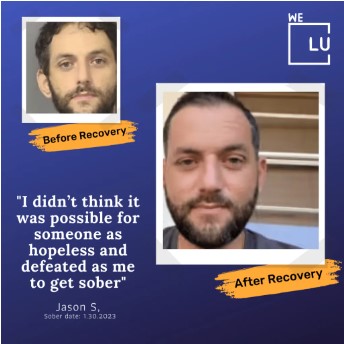
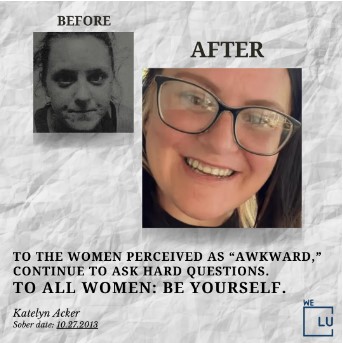
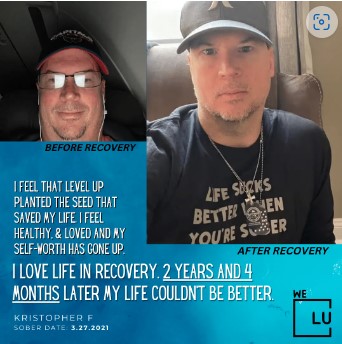
See our authentic success stories. Get inspired.
Get the help you deserve.
Start a New Life
Begin with a free call to a behavioral health treatment advisor. Learn more about our dual-diagnosis programs. The We Level Up treatment center network delivers recovery programs that vary by each treatment facility. Call to learn more.
- Personalized Care
- Caring Accountable Staff
- World-class Amenities
- Licensed & Accredited
- Renowned w/ 5-Star Reviews