
Depression Treatment in Washington for a Brighter & More Fulfilling Life
Millions silently battle depression, yet with proper care and support, healing and recovery are possible.
Clinically Reviewed by Lauren Barry, LMFT, MCAP, QS
Medically Reviewed by Ali Nikbakht, PsyD
Updated on May 1, 2026 — Editorial Policy | Research Policy
By We Level Up WA | Author Susan Egbert, PharmD | Editorial Policy | Research Policy
Depression can make life feel heavy and hard. You might feel sad, tired or lose interest in things you used to enjoy. The good news is that there are strong depression treatment options that help many people feel better.
This guide explains real options for treatment. So you can understand what works and why. We also share helpful tips you can talk about with your doctor or care team.
What Is Depression?
Depression is more than feeling sad for a day or two. It is a long period of low mood and low energy that lasts for weeks or longer. It can affect how you think, act and feel. It may change your appetite, sleep and interest in life.
Why Getting Treatment Matters
Choosing depression treatment options can help you:
- Feel more like yourself again
- Be able to do daily tasks
- Improve your relationships
- Sleep better
- Have more energy
There are many paths to improvement. Treatment is not one size fits all. What works for one person may not work for another.
Talk Therapy: Healing Through Conversation
Therapy means talking with a trained professional who helps you explore your feelings and thoughts. It is one of the most important therapy for depression paths.
Common Therapy Types
Here are several types of talk therapy that help people with depression:
Cognitive Behavioral Therapy (CBT)
This teaches you how to notice and change negative thoughts. It helps you practice new ways of thinking that support a better mood and healthy habits.
Dialectical Behavior Therapy (DBT)
Dialectical Behavior Therapy blends thinking skills with learning how to calm your body and mind. It helps you handle stress and strong emotions better.
Interpersonal Therapy (IPT)
This focuses on your relationships. It helps you understand how your connections with others affect your mood.
Group Therapy
In a group, you meet others who are going through similar struggles. This can make you feel understood and less alone.

What to Expect in Therapy
Therapy usually meets once a week or more. You and your therapist set goals together. You might talk about stress, daily challenges and ways to change thoughts and habits. Therapy helps you gain skills and confidence over time.
Therapies like group therapy work for many people. For some, it helps more than medicine alone.
Antidepressant Approaches: Medicine That Helps
Antidepressants are medicines that can help your brain work better by changing chemicals that affect mood. These antidepressant approaches are often part of a treatment plan.
Main Types of Antidepressants
SSRIs
These are the most common first choices for doctors. They help increase serotonin, a brain chemical that supports mood.
Examples include medications like fluoxetine and sertraline.
SNRIs
These work on two brain chemicals that help mood and energy, serotonin and norepinephrine.
Atypical Antidepressants
These work differently from other medicines. They can help people who do not benefit from SSRIs or SNRIs.
Older Antidepressants (Tricyclics and MAOIs)
These are used when newer medicines do not work well. They can be strong, so doctors watch for side effects.
End the Emotional Pain. Get Your Life Back.
Feeling Depressed, Anxious or Struggling with Mental Health Illness? Get Safe Comfortable Mental Health Dual Diagnosis High-Quality Therapy From Counselors That Care. Begin Your Recovery Now.
Hotline: (509) 348-4077

How Antidepressants Work
Antidepressants usually take a few weeks to help. Some people notice a change in sleep, energy or mood within a few weeks. Your doctor may need to adjust your dose or try a different medicine to find what works best.
What to Know About Medicine
- Side effects may happen but often lessen with time
- Medicines are most effective when part of a full treatment plan
- Talk to your doctor before changing or stopping medicine
Fast-Acting and Alternative Treatments
Some treatments offer relief faster or in different ways than regular therapy and medicines.
Newer Options
Ketamine and Related Therapies
These treatments can help people who did not get better with other medicines. They may work faster, sometimes within a day.
Brain Stimulation Treatments
These use magnetic or electrical signals to help brain areas involved in mood. Examples include transcranial magnetic stimulation and other emerging methods. They can help when other treatments are not enough.
These treatments are used under medical supervision and may not be right for everyone.
Everyday Strategies That Support Recovery
Alongside medical and professional care, daily habits can support your recovery. These are often called depression recovery strategies.
Helpful Daily Actions
Move Your Body
Exercise can lift your mood and make you feel stronger. Even short walks help.
Connect With Others
Talking with friends or family gives emotional support.
Sleep and Routine
Good sleep and a daily routine help your brain reset.
Mindful Habits
Simple breathing, meditation or focusing on the present can calm stress.
Healthy Eating
Foods with nutrients like omega-3s and protein help brain health.
These steps do not replace treatment but help you feel better and handle stress.rk of understanding people who can walk alongside you as you continue your journey toward lasting mental wellness.
World-class, Accredited, 5-Star Reviewed, Effective Mental Health Dual Diagnosis Programs. Complete Integrated Inpatient Rehab with Free Post Discharge Therapy Planning.
Hotline: (509) 348-4077End the Emotional Pain Rollercoaster. Gain Stability & Happiness Through Recovery Treatment. Start Mental Health Counseling Today. Get Free No-obligation Guidance by Behaviroal Health Specialists Who Understand Mental Health Recovery.
Managing Depression Care Over Time
Getting better from depression is an ongoing process. You may need to adjust your care as time goes on.
Working With Your Care Team
Talk openly with your doctor, therapist, or support person about:
- How do you feel day by day
- What helps and what does not
- Side effects of medication
- Changes in sleep, appetite, or mood
Your care team can help you adapt your plan when needed.
Support for Loved Ones
If you care about someone with depression.
- Be patient and calm
- Listen without judgment
- Encourage them to see a therapist or doctor
- Ask how you can help
Supportive people make a big difference in care and recovery.

When Depression and Addiction Happen Together
Depression and addiction often show up at the same time. Many people use alcohol or drugs to cope with sadness, stress, or emotional pain. Over time, substance use can make depression worse and harder to treat.
When both conditions happen together, treatment needs to address both at the same time. This is called integrated care. Treating only depression or only addiction usually does not lead to lasting recovery.
Integrated care may include therapy, medication support and education about how substances affect mood and brain health. It also helps people learn safer ways to cope with emotions without turning to drugs or alcohol.
If this sounds like your situation or a loved ones know that help exists. Recovery is possible with the right support and a treatment plan that looks at the whole person.
Signs It May Be Time to Seek Professional Help
Many people wait too long before getting help for depression. They may hope it will pass on its own or feel unsure about asking for support. Knowing when to reach out can make a big difference.
You may want to seek professional help if you experience depression:
- Lasts more than two weeks
- Makes daily tasks feel overwhelming
- Affects sleep, appetite or focus
- Causes withdrawal from friends or family
- Brings feelings of hopelessness or worthlessness
If thoughts of self-harm or suicide appear, it is important to get help right away. This is not a personal failure. It is a sign that extra care is needed.
Mental health professionals are trained to listen and guide you toward safe, effective care. Asking for help is a strong and positive step forward.
Get Help. Get Better. Get Your Life Back.
Searching for Accredited Dual Diagnosis Mental Health Centers Near You?
Even if therapy failed previously, or are in the middle of a difficult crisis, we stand ready to support you. Our trusted behavioral health specialists will not give up on you. When you feel ready or just want someone to speak to about counseling alternatives to change your life call us. Even if we cannot assist you, we will lead you to wherever you can get support. There is no obligation. Call our hotline today.
FREE 24/7 Dual Diagnosis Mental Health Services HotlineWhat Recovery From Depression Can Really Look Like
Recovery does not mean feeling happy all the time. It means learning how to manage symptoms, handle stress and build a life that feels more balanced and meaningful. Some days may still feel hard, especially at first. Progress often happens slowly, with ups and downs along the way. Over time, many people notice better focus, more energy and moments of enjoyment returning.
Recovery often includes ongoing therapy, healthy routines and regular check-ins with a care provider. Support from loved ones also plays a powerful role. Most importantly, recovery looks different for everyone. Your path does not have to match anyone else’s. With patience, care and the right treatment, feeling better is possible.
Choose the Right Path for You
You are not alone. There are many depression treatment options available. You can take small steps, learn new skills, and find care that fits your needs. Your journey might include therapy, medicine, lifestyle changes, or a mix of these.
If you are unsure where to start, talk to a mental health professional or We Level Up Washington. They can help you explore the right options and answer your questions.
Frequently Asked Questions
What are the main depression treatment options?
Treatment options include therapy, antidepressant medicine, lifestyle changes and newer treatments like brain stimulation.
How long does it take for therapy to work?
Many people notice changes after several weeks of regular therapy but this can vary.
Do antidepressants work for everyone?
Not always. Some people need to try different medicines or combine them with therapy.
Can lifestyle changes alone treat depression?
Healthy habits help your mood but many people need professional care too.
What if my first treatment does not help?
Talk with your care team. There are many other options to try.
Is depression recovery permanent?
Many people recover well with the right care and others manage symptoms long term with support.
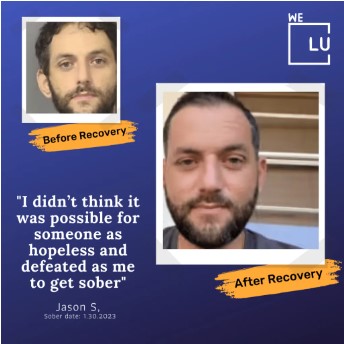
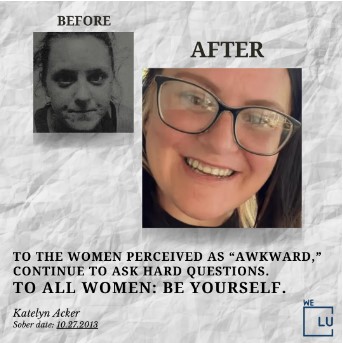
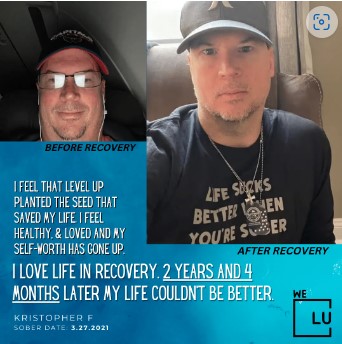
Experience Transformative Recovery at the We Level Up Treatment Center.
See our authentic success stories. Get inspired.
Get the help you deserve.
Start a New Life
Begin with a free call to a behavioral health treatment advisor. Learn more about our dual-diagnosis programs. The We Level Up treatment center network delivers recovery programs that vary by each treatment facility. Call to learn more.
- Personalized Care
- Caring Accountable Staff
- World-class Amenities
- Licensed & Accredited
- Renowned w/ 5-Star Reviews
We’ll Call You
Take a Step Forward
Finding the right depression treatment options could help you feel more hopeful and in control. Healing often happens step by step with support from professionals, friends and family. If you or someone you love is struggling with depression, reach out for help today. Talking with a trusted clinician can start a strong path toward feeling better and living the life you want.