
Attention Deficit Disorder vs ADHD Differences and Help
By Editorial Team | Editor Rebecca Hill
Clinically Reviewed by Lauren Barry, LMFT, MCAP, QS
Medically Reviewed by Dr. Chris Small
Reviewed / Updated: February 6, 2026
Do you or your child find it hard to focus, sit still, or finish tasks? Many people feel confused about ADD and ADHD. They wonder if these are different things. The truth is simple. Attention Deficit Disorder is an old name. Doctors now call everything ADHD. This change helps everyone understand the condition better.
If you see these struggles in daily life, school, or work, this page explains it all in easy words. We cover what ADHD really is, the main types, signs to watch for, how doctors check, and ways to get proper treatment. You or your loved one can feel better with the right support. Let’s look closer together.

Table of Contents
What Is ADHD?
ADHD stands for attention deficit hyperactivity disorder. It is a brain-based condition that makes it hard to pay attention, control impulses, or stay still when needed. People with ADHD often have these challenges more than others their age. It starts in childhood but can continue into teen years and adulthood.
Doctors used to call the type without much moving around “ADD,” which means attention deficit disorder. In 1987 and later in 1994, they changed the name to ADHD to include all types. This shows that attention problems can happen with or without extra energy or quick actions. Today, everyone uses ADHD as the official term.

ADD vs ADHD Differences Explained Simply
The main ADD vs ADHD differences come down to how symptoms show up, not whether the condition exists. ADHD is the official diagnosis, while ADD usually refers to one type of ADHD that focuses on attention problems.
Key Differences at a Glance
People often notice these differences when comparing attention deficit disorder vs ADHD:
- ADD usually describes inattentive symptoms only
- ADHD includes inattentive, hyperactive, or combined symptoms
- ADHD is the medical diagnosis used today
- ADD is a term many adults still use for clarity
Both terms describe real struggles that deserve care, understanding, and treatment.
The Three Types of ADHD
ADHD shows up in three main ways, based on the strongest symptoms.
Predominantly Inattentive Presentation
This used to be called ADD. People have big trouble paying attention and staying organized. They may daydream a lot, lose things, or forget daily tasks. Hyperactivity is not strong here, so it can be harder to spot.
Predominantly Hyperactive-Impulsive Presentation
Here, extra movement and quick actions stand out more. People fidget, talk a lot, interrupt others, or act without thinking. Attention problems may be there but not as main.
Combined Presentation
This is the most common type. People show many signs of both inattention and hyperactivity-impulsivity. They struggle with focus and also have trouble sitting still or waiting their turn.
Knowing the type helps choose the best ADHD diagnosis and symptoms plan.
End the Emotional Pain. Get Your Life Back.
Feeling Depressed, Anxious or Struggling with Mental Health Illness? Get Safe Comfortable Mental Health Dual Diagnosis High-Quality Therapy From Counselors That Care. Begin Your Recovery Now.
Hotline: (509) 348-4077

Common Symptoms of ADHD
ADHD symptoms look different in each person. They must happen often and make life harder in more than one place, like home and school.
Here are signs of inattention:
- Trouble keeping attention on tasks or play.
- Makes careless mistakes in schoolwork or chores.
- Seems not to listen when spoken to directly.
- Does not follow through on instructions and fails to finish work.
- Has hard time organizing tasks and activities.
- Avoids or dislikes tasks that need steady mental effort.
- Loses things needed for tasks, like books or toys.
- Gets easily distracted by outside things.
- Forgets daily activities.
Here are signs of hyperactivity and impulsivity:
- Fidgets with hands or feet or squirms in seat.
- Leaves seat when staying seated is expected.
- Runs about or climbs in places where it is not okay.
- Has trouble playing quietly.
- Feels driven like a motor and acts as if “on the go.”
- Talks too much.
- Blurts out answers before questions finish.
- Has hard time waiting turn.
- Interrupts or intrudes on others.
Kids may show more hyperactivity. Adults often have inner restlessness or trouble with time management.

Get Help. Get Better. Get Your Life Back.
Searching for Accredited Dual Diagnosis Mental Health Centers Near You?
Even if therapy failed previously, or are in the middle of a difficult crisis, we stand ready to support you. Our trusted behavioral health specialists will not give up on you. When you feel ready or just want someone to speak to about counseling alternatives to change your life call us. Even if we cannot assist you, we will lead you to wherever you can get support. There is no obligation. Call our hotline today.
FREE 24/7 Dual Diagnosis Mental Health Services HotlineHow ADHD Affects Daily Life
ADHD can touch many parts of life. At school, kids may fall behind or get in trouble for not listening. At home, tasks like homework or chores feel overwhelming. Friends might see them as impatient or forgetful.
In adults, it can mean problems at work, like missing deadlines or losing focus in meetings. Relationships suffer when impulsivity leads to quick words or actions. Many feel frustrated or low about themselves. But with understanding and help, people learn ways to manage and succeed.
ADD Treatment Options and ADHD Help
Many treatments work well for ADHD. Doctors often combine a few approaches.
Medication helps many people. Stimulants like methylphenidate or amphetamines calm the brain and improve focus. Non-stimulants are options too if needed.
Behavior therapy teaches skills to organize, manage time, and control impulses. For kids, parent training helps set clear rules and rewards.
School support includes extra time on tests, seating near the teacher, or breaks to move.
Lifestyle changes make a big difference:
- Regular exercise to burn energy.
- Healthy sleep and good food.
- Routines and reminders like planners or apps.
- Mindfulness or relaxation to stay calm.
ADHD treatment options fit each person’s needs. Many see big improvements in focus, mood, and confidence.
ADHD vs ADD Comparison for Adults
Many adults discover ADHD later in life, often after years of feeling misunderstood. Learning the ADHD vs ADD comparison can bring relief and clarity.
Adults with inattentive ADHD may struggle silently, while those with hyperactive symptoms may feel judged or labeled. Both experiences deserve compassion, accurate diagnosis, and proper care.
World-class, Accredited, 5-Star Reviewed, Effective Mental Health Dual Diagnosis Programs. Complete Integrated Inpatient Rehab with Free Post Discharge Therapy Planning.
Hotline: (509) 348-4077End the Emotional Pain Rollercoaster. Gain Stability & Happiness Through Recovery Treatment. Start Mental Health Counseling Today. Get Free No-obligation Guidance by Behaviroal Health Specialists Who Understand Mental Health Recovery.
FAQs
-
What is the main difference in ADD vs ADHD?
ADD is an old term for attention problems without much hyperactivity. Now, doctors call it ADHD, predominantly inattentive type. ADHD includes all types with or without extra movement.
-
Are ADD and ADHD the same condition?
Yes. ADD was the name before 1987. Today, everything is ADHD. The change helps cover all symptoms better.
-
What are the three types of ADHD?
They are predominantly inattentive (old ADD), predominantly hyperactive-impulsive, and combined (both inattention and hyperactivity).
-
What role does age play in defining the criteria and symptomatology in diagnosis?
The hyperactive and impulsive behaviors are also typical of pediatric manifestations, whereas the adult manifestation is characterized by an absence of rest, executive dysfunction, and maladaptive decisions.
-
What are the modern modes of treatment of the historically known ADD?
Therapies resemble ADHD-inattentive type: pharmacotherapy, behavioral intervention, school or work accommodations, and lifestyle interventions promoting organization and stamina.
-
Can adults have ADHD if they were never diagnosed as kids?
Yes; it is common among adults to complain of mild symptoms as a child that were not considered by the clinician and the stressors of later life may reveal the situation.
You Can Get Help and Feel Better
ADD vs ADHD differences come down to one thing: ADD is outdated, and ADHD is the right name now. It covers attention struggles in all forms. You do not have to struggle alone. With clear understanding, good diagnosis, and caring support, focus improves, confidence grows, and life feels easier.
If this sounds like you or someone you love, reach out today. Call We Level Up Washington team at (509) 348-4077. We listen kindly and help find the best path forward. Your brighter, calmer days are waiting. Take the first step now. We are here for you.
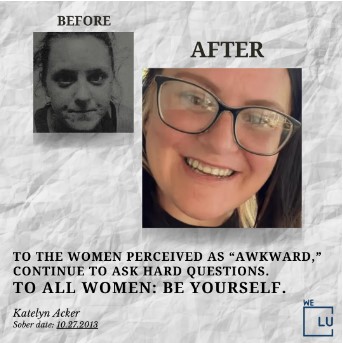
Experience Transformative Recovery at the We Level Up Treatment Center.
See our authentic success stories. Get inspired.
Get the help you deserve.


Start a New Life
Begin with a free call to a behavioral health treatment advisor. Learn more about our dual-diagnosis programs. The We Level Up treatment center network delivers recovery programs that vary by each treatment facility. Call to learn more.
- Personalized Care
- Caring Accountable Staff
- World-class Amenities
- Licensed & Accredited
- Renowned w/ 5-Star Reviews