

Crack Addiction: Your Path to Freedom Starts Here
Crack cocaine is a powerful, fast‑acting form of cocaine. This drug is made by mixing powdered cocaine with baking soda or ammonia, then turning it into small rocks that can be smoked. When someone smokes crack, the drug reaches the brain almost instantly, producing a strong but very short high. When a person becomes dependent […]
Clinically Reviewed by Lauren Barry, LMFT, MCAP, QS
Medically Reviewed by Ali Nikbakht, PsyD
Updated on February 11, 2026 — Editorial Policy | Research Policy

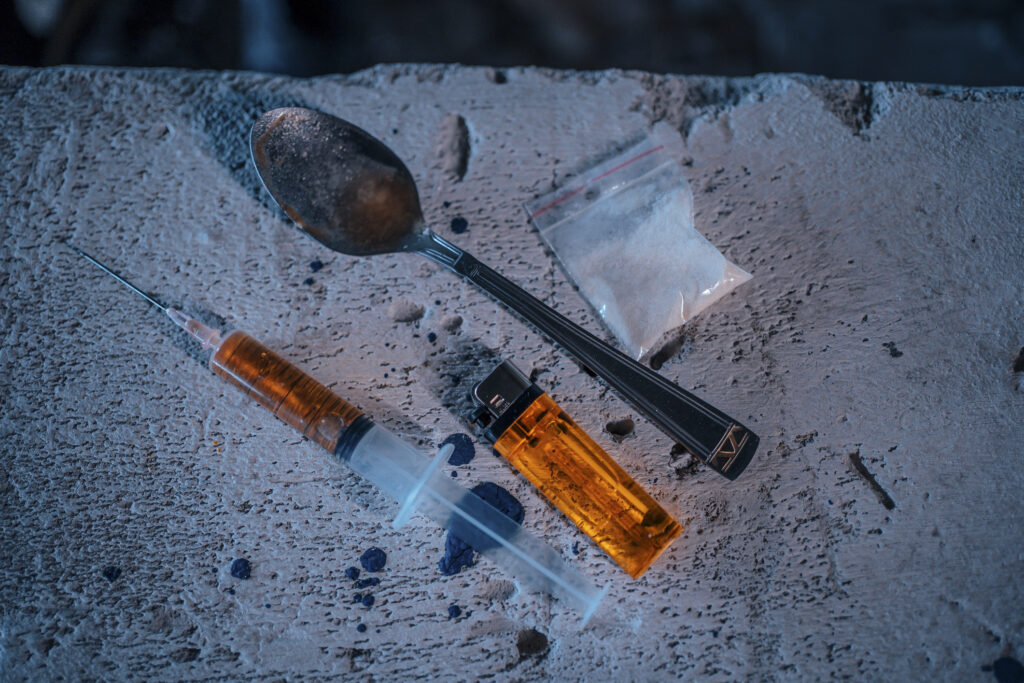
Crack cocaine is a powerful, fast‑acting form of cocaine. This drug is made by mixing powdered cocaine with baking soda or ammonia, then turning it into small rocks that can be smoked. When someone smokes crack, the drug reaches the brain almost instantly, producing a strong but very short high.
When a person becomes dependent on crack physically and emotionally, that’s called crack addiction. At this point, the drug becomes more important than almost anything else: work, relationships, health. The brain begins to rely on crack to feel pleasure. That makes it extremely hard to stop without support.
Skip To
Table of Contents
What Is Crack Addiction?
Crack cocaine is a highly addictive form of cocaine, which is produced by mixing cocaine with baking soda or ammonia to form small, rock-like crystals that are then smoked for an intense high. The intense drug provides a rapid, euphoric high, but the effects of crack cocaine are short-lived, often leading to a cycle of repeated use.
Crack addiction, or crack cocaine addiction, is when an individual becomes both physically and psychologically addicted to this drug and cannot quit despite the damaging effects.
Unlike powdered cocaine, which is typically snorted, smoking crack cocaine sends the drug rapidly to the brain, making it especially addictive.
End the Emotional Pain. Get Your Life Back.
Feeling Depressed, Anxious or Struggling with Mental Health Illness? Get Safe Comfortable Mental Health Dual Diagnosis High-Quality Therapy From Counselors That Care. Begin Your Recovery Now.
Hotline: (509) 348-4077
Why is crack so addictive?
- Crack gives a very fast, intense rush because it hits the brain almost immediately. That strong reward feels good sometimes too good.
- The effect is short‑lived, which drives many people to use again soon after to keep chasing that high. That’s how repeated use begins.
- Over time, the brain learns to rely on crack for those feel-good chemicals (like dopamine). Normal activities, such as eating, socializing and hobbies, start to lose their appeal.
Because of this cycle, even one use can quickly lead to dependence.
Recognizing signs of crack abuse
If someone is using crack or is addicted there are often clear signs. Awareness matters. The sooner these signs are noticed, the sooner help can begin.
Physical signs:
- Rapid weight loss occurs because appetite decreases.
- Dilated (very large) pupils.
- Fast or irregular heartbeat, high blood pressure, and breathing problems.
- Persistent coughing, lung or breathing trouble if crack is smoked over time.
Behavioral and emotional signs:
- Mood swings from high energy or excitement to depression, anxiety, paranoia, or irritability.
- Restless behavior, trouble sleeping, or aggressive actions for no clear reason.
- Spending much time or energy trying to get or use crack; neglecting work, school or family responsibilities.
- Secrecy, isolation, lying, or risky behaviors to hide use or get money, sometimes leading to legal or financial problems.
If you see many of these signs in yourself or a loved one, it’s a strong warning that crack abuse may be present.
Get Help. Get Better. Get Your Life Back.
Searching for Accredited Dual Diagnosis Mental Health Centers Near You?
Even if therapy failed previously, or are in the middle of a difficult crisis, we stand ready to support you. Our trusted behavioral health specialists will not give up on you. When you feel ready or just want someone to speak to about counseling alternatives to change your life call us. Even if we cannot assist you, we will lead you to wherever you can get support. There is no obligation. Call our hotline today.
FREE 24/7 Dual Diagnosis Mental Health Services HotlineThe long-term toll: what crack does when use continues
Using crack regularly can slowly, but deeply, damage the body, mind, and life.
- Health risks: Smoking crack can badly hurt lungs, increase the risk of heart attack or stroke, cause breathing issues and over time it can harm organs like the heart, kidneys, and brain.
- Mental health damage: Crack addiction can bring chronic anxiety, depression, paranoia, hallucinations, confusion, memory trouble, and even long‑lasting psychosis.
- Life consequences: Many people lose jobs, break relationships, isolate from friends and family, get into legal trouble, or face financial ruin. Often, they lose interest in hobbies or in everyday joys.
In short, what starts as a rush can end up destroying a person’s health, happiness, and future.
Comfortable Facilities & Amenities
High-Quality Mental Health Services & Behaviroal Health Substance Abuse Treatment
Rehab Centers TourRenowned Mental Health Centers. Serene Private Facilities. Inpatient Rehab Programs Vary.
Mental Health Helpline: (509) 348-4077Proven recovery success experience, backed by a Team w/ History of:
15+
Years of Unified Experience
100s
5-Star Reviews Across Our Centers
10K
Recovery Success Stories Across Our Network
- Low Patient to Therapist Ratio
- Comprehensive Dual-Diagnosis Treatment
- Complimentary Family & Alumni Programs
- Coaching, Recovery & Development Events
- Comfortable Onsite Medical Detox Center
Why seeking help matters and what treatment looks like
The good news is that recovery is possible. Getting help is a brave, strong step and it can lead to healing.
Here’s what proper treatment often involves:
Detox and medical care
- First, detox: safely stopping crack use while under medical supervision. This reduces the danger of severe withdrawal or relapse.
Therapy and support
- Behavioral therapies like Cognitive Behavioral Therapy (CBT), Motivational Enhancement Therapy (MET), or Contingency Management (CM) help address thought patterns, triggers, and habits tied to drug use.
- Programs may include group therapy, individual counseling, family support, and sometimes holistic practices such as mindfulness, yoga, or art therapy to help heal both body and mind.
Aftercare and relapse prevention
Many people find strength in a caring support network: family, friends, counselors, or others in recovery.
After detox, continued treatment like outpatient therapy or support groups helps maintain recovery and prevent relapse.
Frequently Asked Questions (FAQs)
-
What Are the First Signs of Crack Cocaine Addiction?
Early hints include skipping meals, hiding pipes, or sudden cash shortages. Mood flips from super happy to super cranky fast.
-
How Long Does Withdrawal from Crack Last?
Most physical shakes ease in 1 to 3 days, but cravings and low moods can linger for weeks. Gentle support like therapy, shortens the tough stretch and builds strength against urges.
-
Is Relapse Part of Recovery from Crack Abuse?
It can be, but it’s not a failure. Think of it as a detour, not the end. Learn from it, tweak your plan, and jump back in. Most who stick with aftercare stay steady.
-
How Can Families Support a Loved One with Crack Addiction?
Listen without judging, join family therapy, and celebrate tiny steps. Set loving limits, like no use in the home. Your steady love lights the way forward.
Taking the First Step
Crack addiction can feel like a trap. But with medical care, therapy, compassionate support, and continued aftercare, you can rebuild your life. You can rediscover joy, stability, connection, and hope.
World-class, Accredited, 5-Star Reviewed, Effective Mental Health Dual Diagnosis Programs. Complete Integrated Inpatient Rehab with Free Post Discharge Therapy Planning.
Hotline: (509) 348-4077End the Emotional Pain Rollercoaster. Gain Stability & Happiness Through Recovery Treatment. Start Mental Health Counseling Today. Get Free No-obligation Guidance by Behaviroal Health Specialists Who Understand Mental Health Recovery.
Summary
Call today to speak with our team and learn more about our programs. We Level Up Washington: (509) 348-4077. Your next step starts here.