

Opiate Withdrawal in Spokane Valley, Washington
Opiate withdrawal can feel scary, painful, and overwhelming. Many people in Spokane Valley struggle with it after using pain pills, opioids, or other opiates for a long time. The body becomes used to these drugs, so when someone tries to stop, the body reacts strongly. These reactions are called opiate withdrawal symptoms. People often search […]
Clinically Reviewed by Lauren Barry, LMFT, MCAP, QS
Medically Reviewed by Ali Nikbakht, PsyD
Updated on January 9, 2026 — Editorial Policy | Research Policy
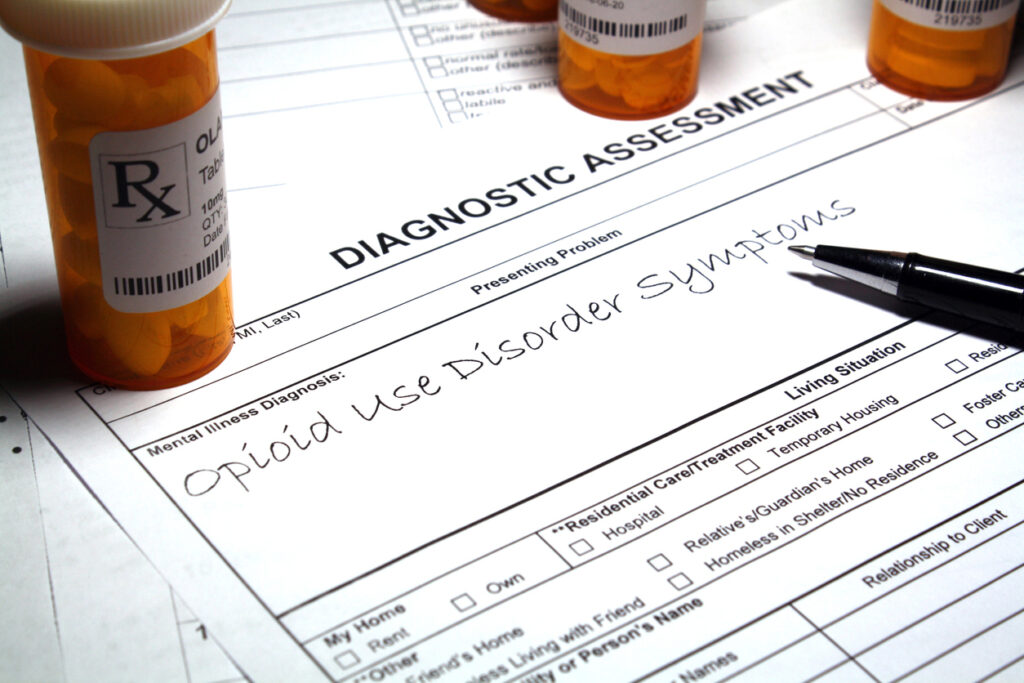
Opiate withdrawal can feel scary, painful, and overwhelming. Many people in Spokane Valley struggle with it after using pain pills, opioids, or other opiates for a long time. The body becomes used to these drugs, so when someone tries to stop, the body reacts strongly. These reactions are called opiate withdrawal symptoms.
People often search for information on the COWS opiate withdrawal scale because they want to understand how bad their symptoms are or how long the process might last. Others want to know if they can withdraw from opiates at home, how long it takes, and what they can do to feel safer during the process.
The truth is that withdrawal from opiates is different for everyone. Some people may feel mild symptoms, while others feel severe discomfort. Many people also search for information about clonidine for opiate withdrawal symptoms, because it is commonly used during recovery to help calm the body. But safe withdrawal always works best with professional help.
At We Level Up Washington in Spokane Valley, we support people through the physical and emotional challenges of opioid withdrawal. With the right care, recovery becomes safer, more comfortable, and much more possible.
Skip To
Table of Contents
What Is Opiate Withdrawal?
Opiates and opioids affect the brain and body in powerful ways. When someone uses these substances for a long time, the body depends on them to feel normal. Once the drugs leave the system, the body struggles to adjust.
This sudden change is what causes withdrawal. The body must learn to work again without the drug, and that process takes time.
A person can experience withdrawal from opiates such as:
- Oxycodone
- Hydrocodone
- Morphine
- Heroin
- Fentanyl
- Codeine
People often first notice small signs like restlessness, sweating, or trouble sleeping. These symptoms may seem minor at the start, but as the drug continues to leave the body, symptoms can grow stronger and harder to handle.
That’s why early support is important during opioid withdrawal. A safe environment can make the process less frightening and more manageable.
Opiate withdrawal is not a sign of weakness. It is a normal body reaction. Anyone who has used these drugs for a long time will face some level of withdrawal. It simply means the body is trying to heal and return to balance. With the right help, people can get through it safely and avoid dangerous complications.
End the Emotional Pain. Get Your Life Back.
Feeling Depressed, Anxious or Struggling with Mental Health Illness? Get Safe Comfortable Mental Health Dual Diagnosis High-Quality Therapy From Counselors That Care. Begin Your Recovery Now.
Hotline: (509) 348-4077

Why Opiate Withdrawal Happens
Opiates change the way the brain handles pain, pleasure, stress, and mood. Over time, the brain becomes used to having the drug and stops working the same way without it. When use stops, the brain struggles to work without the opiates. This creates strong physical and emotional reactions that can feel overwhelming.
People may feel:
- Anxiety
- Restlessness
- Strong cravings
- Body aches
- Trouble sleeping
These feelings can come in waves. Some moments may feel calm, and then suddenly the discomfort can rise again. This explains why stopping alone is so difficult and why many people relapse. The symptoms can feel too strong to manage without support. Professional treatment helps people stay safe, stay calm, and recover without feeling alone.
Symptoms of Opiate Withdrawal
The symptoms of opiate withdrawal can range from mild to severe. They usually begin a few hours after stopping the drug, depending on what type of opiate was used and how long it was taken. Some people feel emotional symptoms first, while others feel physical symptoms right away.
Common early symptoms:
- Sweating
- Runny nose
- Yawning
- Anxiety or restlessness
- Shaking
- Trouble sleeping
These early symptoms often build slowly and may feel like a bad cold or flu.
Symptoms that follow:
- Stomach cramps
- Nausea
- Vomiting
- Diarrhea
- Fast heartbeat
- Goosebumps
- Muscle or bone pain
- Strong cravings
These later symptoms are often more intense and harder to deal with. Without help, they can put stress on the body and increase the risk of relapse. This is why supervised care is safer than trying to withdraw from opiates alone.
Get Help. Get Better. Get Your Life Back.
Searching for Accredited Dual Diagnosis Mental Health Centers Near You?
Even if therapy failed previously, or are in the middle of a difficult crisis, we stand ready to support you. Our trusted behavioral health specialists will not give up on you. When you feel ready or just want someone to speak to about counseling alternatives to change your life call us. Even if we cannot assist you, we will lead you to wherever you can get support. There is no obligation. Call our hotline today.
FREE 24/7 Dual Diagnosis Mental Health Services HotlineUsing the COWS Opiate Withdrawal Scale
The COWS opiate withdrawal scale is a tool used by professionals to measure how severe someone’s withdrawal symptoms are. COWS stands for Clinical Opiate Withdrawal Scale. It helps staff understand exactly what the person is experiencing so they can respond quickly.
The scale looks at things such as:
- Pupil size
- Sweating
- Pulse rate
- Stomach upset
- Restlessness
- Tremors
- Bone or joint aches
Each symptom is given a score. The total score helps determine if withdrawal is mild, moderate, or severe. This score also helps guide what kind of care or support the person needs.
Professionals at We Level Up Washington use the COWS scale to track progress and adjust treatment based on the client’s needs. This helps make withdrawal safer and more comfortable.

Timeline of Withdrawal From Opiates
The timeline for withdrawal from opiates depends on the type of drug and a person’s overall health. But most people follow a general pattern. Understanding this timeline helps clients and families know what to expect.
6–12 hours after the last dose
Early symptoms begin, such as sweating, anxiety, yawning, and restlessness. People may feel uncomfortable but still alert.
1–3 days
This stage is usually the hardest. Symptoms peak, and people may experience:
- Stomach pain
- Vomiting
- Diarrhea
- Muscle aches
- Fast heartbeat
- Strong cravings
Emotions may feel intense. People may feel exhausted, upset, or overwhelmed.
4–7 days
Symptoms begin to ease, although cravings and mood changes may continue. Some people start to feel more stable but still face emotional ups and downs.
1–2 weeks
Most physical symptoms fade, but emotional symptoms like anxiety or sadness may remain. People may still feel tired or have trouble focusing.
2–4 weeks and beyond
Cravings can return during stress. Emotional balance can take longer to rebuild. This is why long-term support, therapy, and healthy routines are important for recovery.
Everyone’s experience is different. Some people recover quickly, while others need more time. Both are normal.
Comfortable Facilities & Amenities
High-Quality Mental Health Services & Behaviroal Health Substance Abuse Treatment
Rehab Centers TourRenowned Mental Health Centers. Serene Private Facilities. Inpatient Rehab Programs Vary.
Mental Health Helpline: (509) 348-4077Proven recovery success experience, backed by a Team w/ History of:
15+
Years of Unified Experience
100s
5-Star Reviews Across Our Centers
10K
Recovery Success Stories Across Our Network
- Low Patient to Therapist Ratio
- Comprehensive Dual-Diagnosis Treatment
- Complimentary Family & Alumni Programs
- Coaching, Recovery & Development Events
- Comfortable Onsite Medical Detox Center
Clonidine for Opiate Withdrawal Symptoms
Many people search for clonidine for opiate withdrawal symptoms because this medication can help with sweating, anxiety, and agitation. Clonidine helps calm the body during the early stages of withdrawal.
However, clonidine should only be used with medical supervision because it can affect blood pressure. It is not a full treatment on its own. It works best when combined with therapy, emotional support, and long-term recovery planning.
Many clients also learn coping skills that help them manage stress without needing drugs. These skills make withdrawal feel less overwhelming and help prevent relapse.
Why Professional Treatment Matters
Withdrawing from opiates alone can be unsafe. People may feel overwhelmed by cravings, discomfort, and emotional stress. It can also be dangerous if symptoms become severe.
Professional treatment helps by:
- Reducing discomfort
- Keeping clients safe
- Lowering relapse risk
- Teaching emotional tools
- Creating a calm environment
Treatment gives people structure and support so they don’t feel lost. Instead of struggling alone, they have trained staff, guided therapy, and a safe place to recover.

Opiate Withdrawal Treatment in Spokane Valley, Washington
Our Spokane Valley facility gives clients a safe and peaceful place to recover. We focus on emotional healing, physical comfort, and long-term success.
1. Safe Environment
Clients stay in a supervised setting where they can feel supported and protected.
2. Emotional Support
Therapists teach coping skills and help clients understand cravings, stress, and triggers.
3. Group Support
Group sessions help clients connect with others who understand their struggles. This reduces loneliness and builds confidence.
4. Structured Routine
Daily schedules help clients feel calm and grounded. Routines also help reduce cravings and build healthier habits.
5. Family Involvement
Families learn how to support recovery and create a healthier home environment.
6. Aftercare Planning
Clients receive plans for outpatient therapy and long-term support, helping them stay strong after treatment.
What to Expect During Opiate Withdrawal Treatment
Assessment
The team reviews each client’s health, drug history, and emotional needs to create the right treatment plan.
Stabilization
Clients receive support to lower symptoms, reduce stress, and feel more comfortable.
Therapy
Clients attend group sessions, individual counseling, stress-management exercises, and emotional regulation training.
Daily Routines
Healthy habits help reduce cravings and rebuild stability. These routines also help improve sleep, appetite, and mood.
Long-Term Preparation
Clients learn relapse-prevention skills and plan follow-up care to support long-term recovery.
Benefits of Opiate Withdrawal Treatment
Treatment improves:
- Clear thinking
- Better sleep
- More energy
- Fewer cravings
- Improved mood
- Motivation
- Healthier relationships
These changes make long-term success possible.
Start Your Recovery Today
If you or someone you love is dealing with opiate withdrawal in Spokane Valley, help is available. You do not have to go through this alone.
At We Level Up Washington, our team understands the stress, fear, and discomfort that come with opioid withdrawal. We create a safe place where clients can heal with confidence and support.
From your first call, our admissions team will guide you through every step. We answer questions, check insurance, and help you understand the process. Our programs focus on emotional healing, physical comfort, and long-term progress.
Call (509) 348-4077 or contact us online. Your recovery can start today—and you will not have to walk it alone.
World-class, Accredited, 5-Star Reviewed, Effective Mental Health Dual Diagnosis Programs. Complete Integrated Inpatient Rehab with Free Post Discharge Therapy Planning.
Hotline: (509) 348-4077End the Emotional Pain Rollercoaster. Gain Stability & Happiness Through Recovery Treatment. Start Mental Health Counseling Today. Get Free No-obligation Guidance by Behaviroal Health Specialists Who Understand Mental Health Recovery.