

Mixing Drugs and Alcohol in Washington: Risks
Mixing Prescription Drugs with Alcohol Mixing prescription drugs with alcohol can be very dangerous, and many people do not realize how serious the risks can be. Alcohol changes how the body and brain work, and when it is combined with medication, the effects can become stronger or unpredictable. This can lead to harmful side effects, […]
Clinically Reviewed by Lauren Barry, LMFT, MCAP, QS
Medically Reviewed by Ali Nikbakht, PsyD
Updated on June 9, 2026 — Editorial Policy | Research Policy
Mixing Prescription Drugs with Alcohol
Mixing prescription drugs with alcohol can be very dangerous, and many people do not realize how serious the risks can be. Alcohol changes how the body and brain work, and when it is combined with medication, the effects can become stronger or unpredictable. This can lead to harmful side effects, poor judgment, and even life-threatening problems. Some people mix substances by mistake, while others may do it on purpose, but both can lead to serious health issues. Over time, this habit can affect the brain, liver, and overall well-being. At We Level Up Washington, we understand how substance use can impact your life, and we are here to help you stay safe and find a path to recovery. Our team provides care, support, and guidance in a structured setting so you can regain control and improve your health.
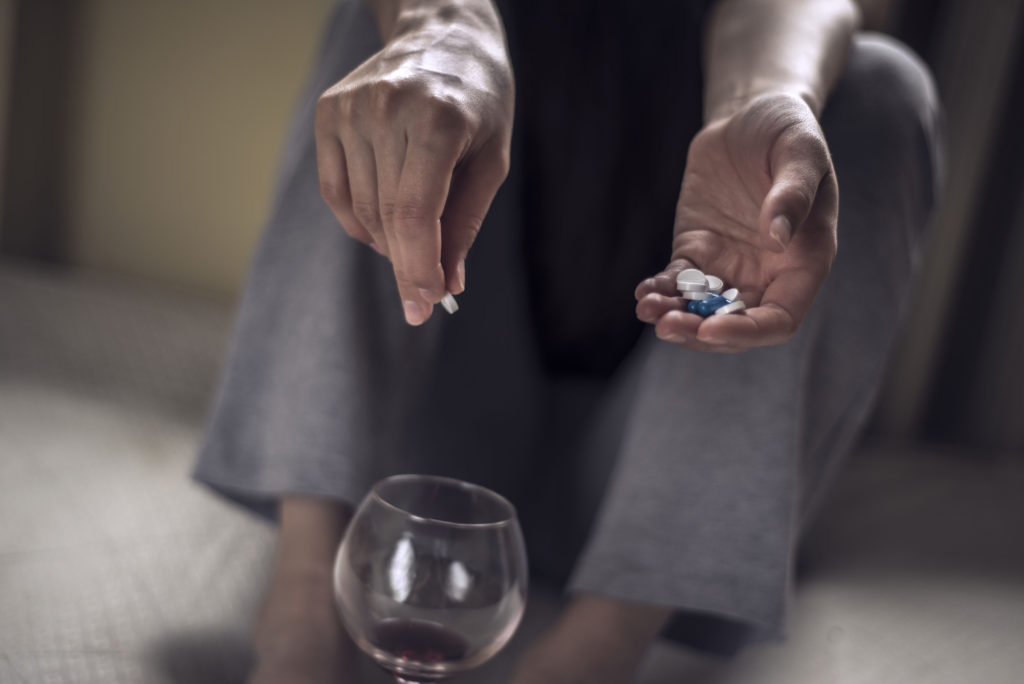
Table of Contents
What Happens When You Mix Alcohol and Medication?
Alcohol can change how medications are absorbed and processed in the body. This can make the medication stronger or weaker than expected. In many cases, alcohol increases the sedative effects of drugs, which can slow breathing and heart rate. This can lead to dizziness, confusion, and loss of control. Some medications may also become toxic when mixed with alcohol. These alcohol medication interactions can vary based on the type of drug, but the risk is always present.
Why Choose We Level Up Washington for Treatment?
At We Level Up Washington, we provide full care for people dealing with substance use and medication misuse. We focus on both the physical and mental aspects of recovery. Our team includes medical staff, therapists, and support members who work together to create a plan based on your needs. We offer a safe and calm place where you can focus on healing. We guide you step by step so you feel supported at all times. Our goal is to help you stop harmful use, manage symptoms, and build a healthier life.
What to Expect During Treatment
Treatment starts with a full check of your health, substance use, and medical history. This helps us understand your needs and build a clear plan. Medical care may be used to manage withdrawal symptoms safely. Therapy helps you learn how to avoid triggers and build healthy habits. You may take part in group sessions and one-on-one care. Ongoing support helps you stay on track and prevent relapse.
Dangers of Alcohol and Prescription Drugs
The dangers of alcohol and prescription drugs include serious health risks that can affect the brain, heart, and liver. Mixing these substances can cause extreme drowsiness, slow breathing, and poor coordination. This can increase the risk of accidents, falls, and injury. In severe cases, it can lead to overdose or death. These risks are higher when large amounts are used or when strong medications are involved.
Prescription Drug Alcohol Dangers
Prescription drug alcohol dangers can vary based on the type of medication. Pain medications, sleep aids, and anxiety drugs are especially risky when mixed with alcohol. These drugs often slow the nervous system, and alcohol adds to this effect. This can lead to dangerous levels of sedation and breathing problems. Even small amounts can be harmful.

Mixing Benzos and Alcohol
Mixing benzos and alcohol is one of the most dangerous combinations. Benzodiazepines, such as Valium or Xanax, are used to treat anxiety and sleep problems. When combined with alcohol, the effects can become much stronger. This can lead to extreme drowsiness, confusion, and loss of consciousness. In some cases, it can cause breathing to stop, which is life-threatening.
Medication Alcohol Side Effects
Medication alcohol side effects can include dizziness, nausea, headaches, and poor focus. A person may feel very tired or have trouble staying awake. Some people may also experience mood changes or confusion. These effects can make it hard to perform daily tasks and can increase the risk of accidents.
Long-Term Effects of Mixing Substances
Long-term use of alcohol with medication can damage the body over time. It can harm the liver, which is responsible for processing both alcohol and drugs. It can also affect brain function, leading to memory problems and poor decision-making. Over time, this can lead to dependence or addiction. Early treatment can help prevent these long-term effects.
Who Is at Risk?
Anyone who uses prescription drugs and drinks alcohol is at risk, but some people may be more vulnerable. Older adults, people with health problems, and those taking multiple medications are at higher risk. People with a history of substance use may also be more likely to mix substances. Understanding these risks can help prevent harm.
Treatment for Substance Use and Medication Misuse
Treatment focuses on stopping the use of harmful combinations and improving overall health. Medical care may be needed to manage withdrawal symptoms. Therapy helps people understand their behavior and learn how to avoid triggers. Support groups can provide encouragement and connection. With the right care, many people can recover and build a healthier life.
Detox and Medical Support
Detox is often the first step in treatment and helps the body clear alcohol and drugs safely. Medical staff monitor symptoms and provide care to reduce discomfort. This process can take several days, and support is given at each step. After detox, ongoing treatment helps support long-term recovery.
Daily Tips to Stay Safe
Simple daily habits can help reduce risk and support recovery. Always follow your doctor’s instructions when taking medication. Avoid alcohol when using prescription drugs. Read labels and ask questions if you are unsure. Keep track of your medications and take them as directed. Talk to a healthcare provider about any concerns.
How Mixing Substances Affects Daily Life
Mixing substances can affect work, relationships, and overall health. A person may feel tired, confused, or unable to focus. This can lead to poor performance at work or school. It can also cause conflict with others and reduce quality of life. With treatment and support, these effects can improve.
Diagnosis and Support
A healthcare provider can assess substance use by asking about habits, symptoms, and health history. They may look at how often substances are used and how they affect daily life. Once diagnosed, a treatment plan can be created to support recovery.
Therapy and Support Options
Therapy is an important part of recovery and helps people understand their behavior and build coping skills. Options include individual therapy, group sessions, and family support. These approaches help manage stress, avoid triggers, and stay on track. Support from others can also improve results.
Long-Term Outlook and Recovery
Recovery is possible with the right care and support. Many people learn how to manage their habits and improve their health. Progress may take time, but small steps can lead to big change. With ongoing support, people can build a stable and healthy life.
FAQs About Mixing Prescription Drugs with Alcohol
Is it safe to mix prescription drugs with alcohol?
No, it can be dangerous and lead to serious health risks.
What are alcohol medication interactions?
They are changes in how drugs work when mixed with alcohol, which can increase side effects.
Why is mixing benzos and alcohol dangerous?
Both slow the nervous system, which can lead to breathing problems and overdose.
What are common side effects?
Side effects include dizziness, confusion, drowsiness, and nausea.
Can treatment help?
Yes, treatment can help people stop harmful use and recover safely.
Ready to Get Started
Mixing prescription drugs with alcohol can be dangerous, but you do not have to face it alone, and help is available. At We Level Up Washington, we offer care that supports your recovery and helps you rebuild your life.
Our team is here to guide you every step of the way, and with the right support, you can improve your health, regain control, and move forward with confidence, so reach out to us today and begin your path to recovery.