
Heroin Overdose: Help Save a Life
Heroin is a powerful opioid that affects the brain and body quickly. When someone uses too much, their breathing slows down or stops. This dangerous situation is called a heroin overdose, and it can become life-threatening in minutes. Many people in Spokane Valley and nearby areas search for information about overdosing because they want to […]
Clinically Reviewed by Lauren Barry, LMFT, MCAP, QS
Medically Reviewed by Ali Nikbakht, PsyD
Updated on February 19, 2026 — Editorial Policy | Research Policy

Heroin is a powerful opioid that affects the brain and body quickly. When someone uses too much, their breathing slows down or stops. This dangerous situation is called a heroin overdose, and it can become life-threatening in minutes.
Many people in Spokane Valley and nearby areas search for information about overdosing because they want to protect themselves or help someone they care about. Understanding the signs, the risks, and what to do during an overdose can make the difference between life and death.
People often ask, “What happens when you overdose on heroin?” or wonder “how much heroin does it take to overdose?” These questions are common, especially when someone is worried about a loved one or trying to understand the risks.
Because street heroin is often mixed with stronger drugs like fentanyl, the danger is higher than many people realize. This guide explains overdose symptoms, risk factors, and mental health services that can save a life.
Skip To
Table of Contents
What Is a Heroin Overdose?
A heroin overdose happens when the body cannot handle the amount of heroin someone uses. Heroin is a depressant, which means it slows down breathing, heart rate, and brain activity. When the dose is too strong, breathing may slow to the point where the person becomes unconscious or stops breathing completely.
Overdose is a medical emergency. It can happen to anyone, even people who have used heroin for a long time. Sometimes, an overdose happens after using a small amount because the drug is mixed with stronger substances. Other times, tolerance changes or health conditions make overdose more likely.
What Happens When You Overdose on Heroin?
Many people want to know what happens when you overdose on heroin. Understanding the process can help you take fast action if you see someone in trouble.
During an overdose, heroin affects the brain area that controls breathing. As the drug reaches the brain, it slows the person’s breathing. If the dose is too strong, breathing may stop completely. Without oxygen, the brain and body begin to shut down.
This process happens silently. Many overdoses occur when the person is alone or when others think they are simply asleep. Knowing the signs of overdose helps people respond quickly.
End the Emotional Pain. Get Your Life Back.
Feeling Depressed, Anxious or Struggling with Mental Health Illness? Get Safe Comfortable Mental Health Dual Diagnosis High-Quality Therapy From Counselors That Care. Begin Your Recovery Now.
Hotline: (509) 348-4077
Common Signs of a Heroin Overdose
Here are signs that may show a person is overdosing:
- Very slow or no breathing
- Blue or pale lips and fingernails
- Limp body
- No response when shaken
- Slow heartbeat
- Gurgling or choking sounds
- Pinpoint pupils
An overdose is always an emergency.
How Much Heroin Does It Take to Overdose?
There is no single answer to how much heroin does it take to overdose. The dose depends on many factors, including:
- Body weight
- Tolerance level
- Health conditions
- Strength of the drug
- Whether it is mixed with fentanyl
- Whether alcohol or other drugs were used
Some people overdose after using a very small amount. Others overdose because they returned to heroin after stopping for a short time. Tolerance drops quickly, making previously “normal” amounts dangerous. Because street heroin is unpredictable, every use carries overdose risk.
Lethal Dose of Heroin
People sometimes search for the lethal dose of heroin, hoping to understand the danger. But there is no exact lethal dose. Heroin on the street varies widely in purity and strength. Many batches are mixed with stronger opioids such as fentanyl, which increases the risk dramatically.
A dose that is safe for one person may be deadly for another. Even one use can lead to an overdose.
Get Help. Get Better. Get Your Life Back.
Searching for Accredited Dual Diagnosis Mental Health Centers Near You?
Even if therapy failed previously, or are in the middle of a difficult crisis, we stand ready to support you. Our trusted behavioral health specialists will not give up on you. When you feel ready or just want someone to speak to about counseling alternatives to change your life call us. Even if we cannot assist you, we will lead you to wherever you can get support. There is no obligation. Call our hotline today.
FREE 24/7 Dual Diagnosis Mental Health Services HotlineWhy Heroin Overdose Is So Dangerous
Heroin overdose is dangerous because it stops the body from getting oxygen. When oxygen drops too low:
- The brain becomes damaged
- Organs begin to shut down
- The heart may stop
Damage can happen within minutes. Quick action is the only way to reduce harm.
Risk Factors That Increase Overdose
Certain conditions make overdose more likely:
- Using heroin after a period of not using
- Mixing heroin with alcohol or pills
- Using heroin alone
- Not knowing the strength of the drug
- Using heroin with fentanyl
- Poor physical or mental health
Recognizing these risks can help people stay safer.

How to Respond to a Heroin Overdose
If you think someone is overdosing, take action immediately. Do not wait.
Steps to help:
- Try to wake the person
- Give naloxone (Narcan) if available
- Place the person on their side
- Stay until help arrives
Naloxone can reverse an overdose by blocking heroin’s effects on the brain. It works quickly and can restore breathing.
Comfortable Facilities & Amenities
High-Quality Mental Health Services & Behaviroal Health Substance Abuse Treatment
Rehab Centers TourRenowned Mental Health Centers. Serene Private Facilities. Inpatient Rehab Programs Vary.
Mental Health Helpline: (509) 348-4077Proven recovery success experience, backed by a Team w/ History of:
15+
Years of Unified Experience
100s
5-Star Reviews Across Our Centers
10K
Recovery Success Stories Across Our Network
- Low Patient to Therapist Ratio
- Comprehensive Dual-Diagnosis Treatment
- Complimentary Family & Alumni Programs
- Coaching, Recovery & Development Events
- Comfortable Onsite Medical Detox Center
Why People Fear Calling for Help
Some people hesitate to call 911 because they worry about legal consequences. But Washington State has Good Samaritan laws that protect people who call for medical help during an overdose. Saving a life is always the priority.
Understanding Fentanyl in Heroin
Today, most heroin in the U.S. contains fentanyl. Fentanyl is up to 50 times stronger than heroin. Because fentanyl is so powerful, even a tiny amount can cause overdose. Many people do not know fentanyl is in their drugs until it is too late.
This is why overdose cases are increasing in Spokane Valley and across Washington.
What Happens After Surviving an Overdose
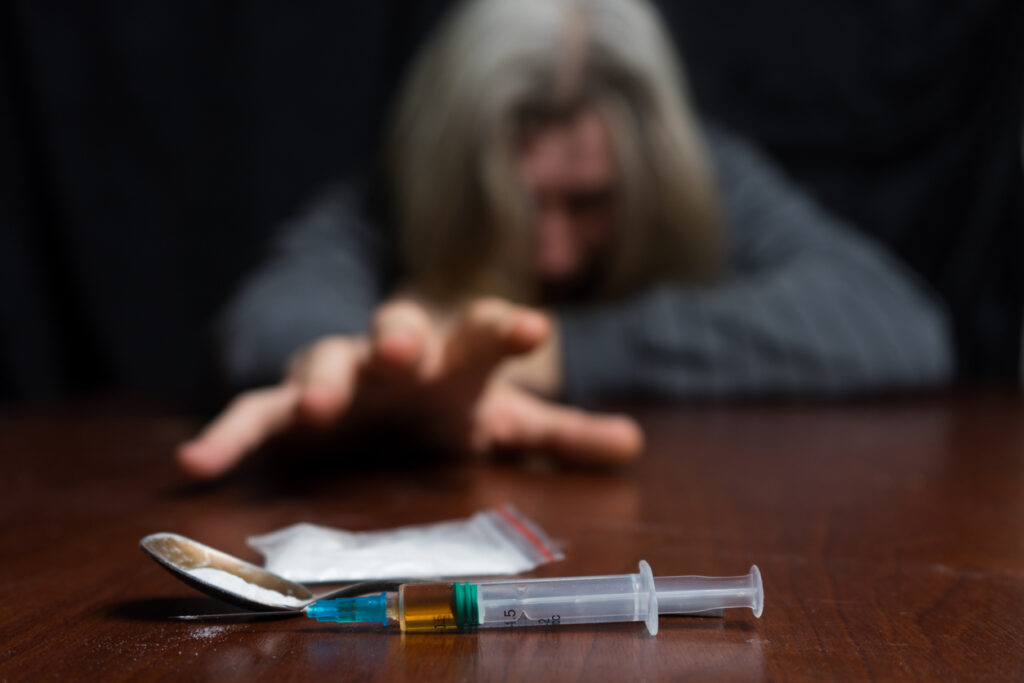
Surviving an overdose is a critical moment. Many people feel frightened afterward. Others feel ashamed or confused. Some want to seek treatment immediately, while others feel unsure.
It is important to support the person gently. Overdose does not mean failure—it means the person needs help, safety, and care.
Why Overdose Does Not Mean the Person Is Hopeless
People often believe that overdose means someone is “too far gone.” This is not true. Overdose can be a turning point. It shows that the person needs safety, support, and treatment that meets their emotional and physical needs. Recovery is possible with the right help.
Treatment After a Heroin Overdose
Treatment can help someone heal physically and emotionally after an overdose. Treatment may include:
- Therapy
- Skills training
- Group support
- Emotional stabilization
- Long-term planning
Family programs focus on rebuilding trust, confidence, and coping skills.
How We Level Up Washington Helps After an Overdose
We Level Up Washington supports people in Spokane Valley who have experienced a heroin overdose or who feel emotionally unstable after withdrawal or trauma. While heroin detox is not provided onsite, clients can complete detox at a partner center and then enter We Level Up for emotional stabilization.
The program offers:
- A structured, private environment
- Therapy
- Group support
- Safety planning
- Stress-management tools
- Crisis stabilization
- Aftercare planning
The goal is to help clients feel grounded and supported after a frightening experience.
Frequently Asked Questions (FAQs)
-
What happens when you overdose on heroin?
Breathing slows or stops, leading to unconsciousness and lack of oxygen.
-
How much heroin does it take to overdose?
There is no safe amount. Purity and tolerance levels vary.
-
What is the lethal dose of heroin?
There is no exact lethal dose because heroin strength is unpredictable.
-
Can heroin overdose be reversed?
Yes. Naloxone can reverse overdose if given quickly.
-
Does We Level Up Washington support people after overdose?
Yes. The center provides emotional stabilization and mental health support after detox.
Take the First Step Toward Safety and Recovery
A heroin overdose is frightening, but it does not mean recovery is impossible. Many people begin their healing journey after surviving an overdose. With structure, compassion, and support, it is possible to rebuild stability and regain control.
At We Level Up Washington, our team helps clients understand their emotions, manage stress, and begin long-term recovery after detox.
World-class, Accredited, 5-Star Reviewed, Effective Mental Health Dual Diagnosis Programs. Complete Integrated Inpatient Rehab with Free Post Discharge Therapy Planning.
Hotline: (509) 348-4077End the Emotional Pain Rollercoaster. Gain Stability & Happiness Through Recovery Treatment. Start Mental Health Counseling Today. Get Free No-obligation Guidance by Behaviroal Health Specialists Who Understand Mental Health Recovery.
Summary
Call today to speak with our team and learn more about our programs. We Level Up Washington: (509) 348-4077. Your next step starts here.