

Early Signs of Alcoholism: Spot Them Early and Take Action
Alcohol consumption may begin by trying to relax or to enjoy the company of friends. But there are times when it can creep up to something that takes a larger part in your life. Someone you love or you may observe minor changes that are confusing or disturbing. These are the early signs of alcoholism. […]
Clinically Reviewed by Lauren Barry, LMFT, MCAP, QS
Medically Reviewed by Ali Nikbakht, PsyD
Updated on February 18, 2026 — Editorial Policy | Research Policy

Alcohol consumption may begin by trying to relax or to enjoy the company of friends. But there are times when it can creep up to something that takes a larger part in your life. Someone you love or you may observe minor changes that are confusing or disturbing. These are the early signs of alcoholism. The sight of them in the near future will assist you in making nice decisions and help with holistic treatment before it feels like the burden is too much.
Skip To
Table of Contents
The Meaning and Origin of Alcoholism.
When the consumption of alcohol becomes difficult to control, even in cases that lead to problems, then it is alcoholism. It becomes so accustomed to alcohol that it is necessary to feel normal. This is referred to as alcohol use disorder. It does not happen all at once. Most individuals begin with beverages at parties or to relax after a hard day at work.
At first, it feels okay. But in weeks or months, habits get changed. You may increase the frequency of drinking or take alcohol to deal with sadness, stress, or worry. Recognizing early alcoholism means noticing these gentle shifts. Early intervention is better to quit and save your health, work and relationships.
The Importance of Early Signs Detection.
Early signs of alcoholism give you a chance to pause and choose better paths. Most of the individuals continue to dismiss them by saying that it is just a stage or everybody drinks the way they do. But turning a head does not help to make the problem bigger. It begins to rely more on alcohol, both mentally and physically.
Acting soon brings big wins. You do not experience stronger desires, health ailments, or being stuck. Research demonstrates that individuals receiving early assistance heal quickly and remain healthy. You will get that opportunity and so will your loved one.
End the Emotional Pain. Get Your Life Back.
Feeling Depressed, Anxious or Struggling with Mental Health Illness? Get Safe Comfortable Mental Health Dual Diagnosis High-Quality Therapy From Counselors That Care. Begin Your Recovery Now.
Hotline: (509) 348-4077

Common Changes in Drinking Habits
Habits alter in a manner that you never expected.
You might notice:
- The requirement to take more drinks in order to relax or feel good (also known as tolerance building).
- Arranging your life around drinking or being excited to drink.
- Driving home and then having a few drinks more than intended, such as just one drink, becomes a number of drinks.
- Drinking in solitude, in a furtive manner, or at strange hours such as mornings.
- Wasting time to obtain alcohol, consume it or come out of hangovers.
These alcohol abuse indicators show alcohol is becoming the boss.
Emotional and Mood Changes
Alcohol penetrates emotions.
Common alcoholism behavior signs include:
Fretful, irritable, or nervous when you are not able to take a drink.
Being able to get angry quickly or having mood swings.
Regretting or being ashamed of having drunk, and feeling the need to do it again.
Consuming alcohol to forget poor emotions, such as stress or sadness.
Expenditure of mood or depressed more frequent.
Your brain becomes different from how it was when you were drunk, and emotions go up and down. This may drive you away from caring people.
Hiding and Making Excuses
Numerous individuals attempt to keep things a secret.
Signs include:
- Secrecy of bottles or deception of the amount of drink consumed.
- Being upset or defensive when one is asked about drinking.
- Excuses such as I had a tough day or it is time to relax.
- Minimizing issues, ruralizing so that I can quit whenever I want.
- Shame often causes this. But loneliness, by concealment, increases.
Physical Warning Signs
Your body sends clues too.
Watch for:
- Nervous hands, particularly in the morning.
- Difficulty sleeping or waking with difficulty.
- A sore head, nausea or vomiting after an alcoholic drink.
- Alterations in body weight or appetite.
- Appeared weary, red in the eyes or ruddied in the cheeks.
These are mild cases of withdrawal that occur when alcohol is withdrawn. They demonstrate that they are beginning to depend.
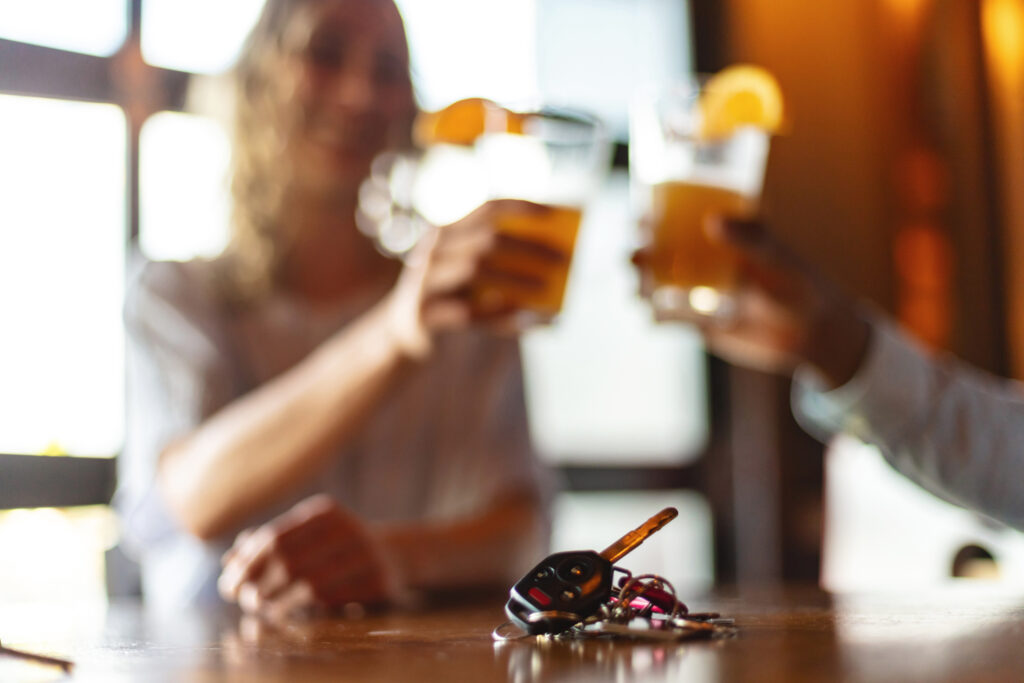
The Effects of Drinking in Everyday Life.
Small problems add up.
You might see:
- Losing work, school, or family time due to drinking or regretting it afterwards.
- No longer feel like the hobby, sports, or spending time with friends.
- Dangerous activities, such as driving under the influence and fighting.
- Money issues due to alcohol spending.
- Bad relationships due to mood or secrets.
These alcohol addiction warning signs hurt what matters most.
Things That Make Alcohol Problems More Likely
Nobody wants to be an alcoholic, however, there are precipitating factors.
They include:
There were family members with drinking problems.
Early onset of drinking.
Megastress at work, loss or change.
Past hard times, like trauma.
Psychological struggles, such as feeling extremely sad or concerned.
Friends or locations where it seems to be okay to get drunk.
These are understood to eliminate blame. It is not a weak thing, but a health problem.
How Signs Can Grow If Not Addressed
As a coping mechanism, drinking assists in the initial stages. Tolerance is developed, and therefore requires more. Cravings start. Bad moods or slight shakes appear upon stopping. Life focuses more on alcohol.
On its own it may result in daily drinking, severe withdrawal, physical harm such as liver issues or despair. Never do most people get to that. Timely actions prevent the escalation and restore order.
Get Help. Get Better. Get Your Life Back.
Searching for Accredited Dual Diagnosis Mental Health Centers Near You?
Even if therapy failed previously, or are in the middle of a difficult crisis, we stand ready to support you. Our trusted behavioral health specialists will not give up on you. When you feel ready or just want someone to speak to about counseling alternatives to change your life call us. Even if we cannot assist you, we will lead you to wherever you can get support. There is no obligation. Call our hotline today.
FREE 24/7 Dual Diagnosis Mental Health Services HotlineKind Ways to Talk About It
In case you notice indications in yourself or a loved one, begin with love.
Try saying:
- I love you very much and I see certain changes. How are you feeling?”
- Listen without judging.
- Share your worry gently.
- Give the offer to assist in finding support.
Avoid fights or blame. Large-hearted conversation is openness to transformation.

Real Help That Works
The treatment is not intimidating, but friendly.
Safe First Steps
Medical detox will ease the transition of your body in case of heavy drinking. Physicians observe and console to pass tremors or illness.
Building New Skills
Therapy educates on proper ways of managing stress.
CBT assists in altering thoughts that cause drinking.
Group talks enable you to talk with people who can understand.
Families are mended through family therapy, which provides support.
Daily Support
Get healthy living habits, such as exercise, a proper diet, and a routine. Drugs will reduce cravings where necessary.
Comfortable Facilities & Amenities
High-Quality Mental Health Services & Behaviroal Health Substance Abuse Treatment
Rehab Centers TourRenowned Mental Health Centers. Serene Private Facilities. Inpatient Rehab Programs Vary.
Mental Health Helpline: (509) 348-4077Proven recovery success experience, backed by a Team w/ History of:
15+
Years of Unified Experience
100s
5-Star Reviews Across Our Centers
10K
Recovery Success Stories Across Our Network
- Low Patient to Therapist Ratio
- Comprehensive Dual-Diagnosis Treatment
- Complimentary Family & Alumni Programs
- Coaching, Recovery & Development Events
- Comfortable Onsite Medical Detox Center
Long-Term Plans
Aftercare also involves visiting and groups to remain strong.
At We Level Up Washington, the care is like home with pleasant crews. Other feelings are likely to be mixed in; for further details, see our drug addiction treatment or dual diagnosis.
Lots of individuals walk out of treatment as free and happy people.
Frequently Asked Questions (FAQs)
-
What are the most common early signs of alcoholism?
Feeling the need for more alcohol to feel its effect, drinking more than intended, cravings, and being irritated without a drink are among the first signs of alcohol dependence.
-
How do alcohol abuse indicators show in emotions?
You can be nervous, feel guilty or feel bad and you use alcohol to avoid negative emotions.
-
What alcoholism behavior signs happen with hiding?
It is highly common to lie about drinking, to hide bottles, to be defensive and to make excuses.
-
Can recognizing early alcoholism include physical clues?
Yes, such as shaking hands, lack of sleep, headache or sickness after having drunk.
-
Do alcohol addiction warning signs affect daily life right away?
They may be absent from duty, lose interest, or have poor relations.
-
But what about these early signs that I notice in someone I love?
Be nice, listen and provide assistance. Get free advice by calling a rehabilitation center such as We Level Up Washington at (509) 348-4077.
Take a Step Forward
Early signs of alcoholism like building tolerance, cravings, mood changes, hiding drinks, physical clues, and life impacts give gentle warnings. And when you see them, you can have a choice to help and break the cycle with kindness.
Treatment introduces safe detox, treatment, new skills, and actual support to make you or your loved one feel secure and happy in a steady state once again. A good number of individuals do it and enjoy their new life. You deserve that hope too. Do not carry the worry alone.
Call We Level Up Washington today. (509) 348-4077 is a caring, free-call telephone number with next steps and a free talk. One courageous call is the beginning of recovery, and better and freer days are coming. You are worth it.
World-class, Accredited, 5-Star Reviewed, Effective Mental Health Dual Diagnosis Programs. Complete Integrated Inpatient Rehab with Free Post Discharge Therapy Planning.
Hotline: (509) 348-4077End the Emotional Pain Rollercoaster. Gain Stability & Happiness Through Recovery Treatment. Start Mental Health Counseling Today. Get Free No-obligation Guidance by Behaviroal Health Specialists Who Understand Mental Health Recovery.
Ready to Take Control?
You do not have to watch addiction take over your life. You do not have to watch a loved one fade away. We Level Up Washington is here to help. We provide the expert early signs of alcoholism support you need.
Our dedicated team stands ready. We help you understand the problem. We find a lasting solution together. We offer the resources you need. We provide the compassionate environment you deserve. You can overcome alcohol misuse. You can reclaim a healthy life.
Contact us today. Start your journey. Build the bright future you deserve. Call us now to verify your insurance. Take the first step toward a healthier tomorrow. We Level Up Washington guides you through every stage. Our dedicated staff waits to welcome you. Your well-being is our priority. We are committed to helping you heal fully. Contact us immediately. Begin the path to a brighter, alcohol-free future with our help