

DBT Therapy: Benefits & Treatment in Spokane, Washington
By integrating acceptance and change, DBT empowers people to navigate emotional challenges and build meaningful, healthier lives.
Clinically Reviewed by Lauren Barry, LMFT, MCAP, QS
Medically Reviewed by Ali Nikbakht, PsyD
Updated on February 11, 2026 — Editorial Policy | Research Policy

Dialectical Behavior Therapy, or DBT Therapy, is a type of talk therapy that helps people learn strong emotional and life skills. It was created to help people who struggle with big feelings, hard behaviors, and trouble coping with everyday life. Now, DBT is used for many different emotional and mental health challenges.
DBT teaches practical skills. It does not just talk about mental health problems. Instead, it helps you learn how to feel better, act better and build a life that feels worth living.
How DBT Works
DBT uses a mix of tools that help you balance acceptance and change. This means learning to accept where you are now and also work to grow and improve day by day.
Core Parts of DBT
DBT usually has several elements:
- Individual Therapy – One-on-one sessions with a therapist
- Group Skills Training – Learn skills with others facing similar struggles
- Phone Coaching – Real-time help when you are in a tough moment
- Therapist Support Teams – Your therapist meets with others to give you the best care
DBT programs often last six months to a year or more, depending on your needs.
What Is DBT Therapy Used For?
Here are the key reasons people do DBT. It is most helpful for:
Emotional Struggles and Mood Disorders
DBT helps with intense and hard-to-manage feelings by giving tools for emotion regulation, so you feel less overwhelmed. It can help with:
- Depression (persistent sadness and low mood)
- Anxiety and heavy worries
- Bipolar disorder
- Mood swings and emotional ups and downs
Urgent or Risky Behaviors
DBT is especially strong at reducing behaviors that could be harmful, such as:
- Self-harm or cutting
- Suicidal thinking
- Impulsive or risky actions
- Outbursts or yelling
This makes DBT powerful for people who tried other mental health treatments but still struggle to stay safe and calm.
DBT Therapy for ADHD
DBT can help people who have ADHD (Attention Deficit Hyperactivity Disorder) because it teaches self-control and mindful focus. It does not replace ADHD medication, but it gives skills to.
- Notice strong urges without acting on them
- Manage frustration and distraction
- Build better habits in work, school, and life routines
This makes DBT useful for adults and teens with ADHD who struggle with emotional regulation and behavior in daily life.
Skip to:
Learn more:
End the Emotional Pain. Get Your Life Back.
Feeling Depressed, Anxious or Struggling with Mental Health Illness? Get Safe Comfortable Mental Health Dual Diagnosis High-Quality Therapy From Counselors That Care. Begin Your Recovery Now.
Hotline: (509) 348-4077

DBT and Addiction Recovery
DBT is also helpful for people struggling with addiction. When someone uses drugs or alcohol, strong emotions often play a big role. DBT helps people notice cravings without acting on them. It teaches safer ways to cope with stress, shame, anger and sadness. Instead of turning to substances, people learn skills that help them pause and choose healthier actions.

DBT also supports relapse prevention by helping people handle triggers, urges and setbacks with less judgment. For many people in recovery, DBT offers structure, support and tools that make long-term healing feel possible.
DBT Therapy for Depression
Depression can feel like a heavy weight that makes everything harder. DBT gives tools to help you.
- Identify what triggers sadness and low mood
- Notice your feelings without judgment
- Use practical skills like mindfulness and distress tolerance
- Build resilience so feelings do not take over
It can help both teens and adults struggling with depression and emotional dysregulation.
DBT Therapy for Teens
DBT is used more and more with teens who have trouble with big emotions and behavior. Teen years are full of change and stress, and DBT helps with:
- Strong feelings that feel too big to handle
- Impulsive decisions
- Trouble in school, friendships, and family
- Self-harm or risky behavior
- Depression or anxiety symptoms
With DBT for teens, parents often get involved too, so the whole family learns the same skills. This helps the teen use tools at home and in real life.
Comfortable Facilities & Amenities
High-Quality Mental Health Services & Behaviroal Health Substance Abuse Treatment
Rehab Centers TourRenowned Mental Health Centers. Serene Private Facilities. Inpatient Rehab Programs Vary.
Mental Health Helpline: (509) 348-4077Proven recovery success experience, backed by a Team w/ History of:
15+
Years of Unified Experience
100s
5-Star Reviews Across Our Centers
10K
Recovery Success Stories Across Our Network
- Low Patient to Therapist Ratio
- Comprehensive Dual-Diagnosis Treatment
- Complimentary Family & Alumni Programs
- Coaching, Recovery & Development Events
- Comfortable Onsite Medical Detox Center
What Skills Do You Learn in DBT?
DBT teaches four main skill areas:
Mindfulness
You learn to watch your thoughts and feelings without reacting. This skill helps you stay calm and present.
Distress Tolerance
These are tools for surviving hard moments without making things worse. It helps when you are overwhelmed or stressed.
Emotion Regulation
This skill group helps you understand and manage intense emotions, so they do not control what you do next.
Interpersonal Effectiveness
You learn how to build and protect healthy relationships by speaking clearly, setting boundaries, and solving conflict.
What Happens in a DBT Session?
DBT sessions are usually weekly. You and your therapist talk about your feelings, patterns, and goals.
- You may fill out a diary card every day to track your emotions and skills use.
- In group sessions, you practice skills with others, not just hear about them.
- Phone coaching lets you reach out when you are stressed and need help using a DBT skill.
Every part of DBT is meant to help you use your skills in real life, not just in therapy.
How Long Is DBT Therapy?
How long you stay in DBT depends on your needs. Most programs run for six months to one year or longer. Some people continue with support after formal therapy ends.
It is not usually a short therapy like 6 to 12 sessions. DBT is more in-depth so you can change habits and live skills every day.
Who Can Benefit Most from DBT?
DBT works well for people who:
- Feel big emotions quickly or strongly
- Have trouble calming themselves down
- Have a history of self-harm or suicidal thoughts
- Struggle with relationships and trust
- Want practical skills that change how they live
DBT is helpful for adults, teens, and sometimes children with emotional regulation challenges.

In Washington state, where approximately 27% of adults and 23% of adolescents report experiencing mental health challenges, DBT offers a practical, skills-based approach that complements our region’s emphasis on both innovation and holistic well-being.
World-class, Accredited, 5-Star Reviewed, Effective Mental Health Dual Diagnosis Programs. Complete Integrated Inpatient Rehab with Free Post Discharge Therapy Planning.
Hotline: (509) 348-4077End the Emotional Pain Rollercoaster. Gain Stability & Happiness Through Recovery Treatment. Start Mental Health Counseling Today. Get Free No-obligation Guidance by Behaviroal Health Specialists Who Understand Mental Health Recovery.
FAQs
How long does DBT therapy last?
Most DBT programs run 6 months to a year or more based on individual needs.
Is DBT therapy only for borderline personality disorder?
No. DBT started for borderline personality disorder but is now used for many conditions like depression, ADHD, and anxiety.
Can teens benefit from DBT therapy?
Yes. DBT helps teens manage emotions, behavior and relationships, and it often includes family support.
What is DBT therapy used for in ADHD?
DBT teaches skills that help people with ADHD handle emotional control and reduce impulsive reactions.
Will DBT cure depression?
DBT gives tools to manage depression symptoms and build emotional strength, but it is a long-term process.
Do you need homework in DBT?
Yes. DBT often includes daily practice like diary cards and skill exercises between sessions.
Experience Transformative Recovery at the We Level Up Treatment Center.
See our authentic success stories. Get inspired.
Get the help you deserve.
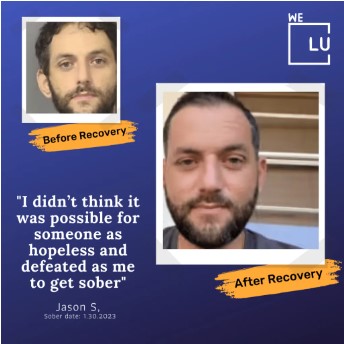
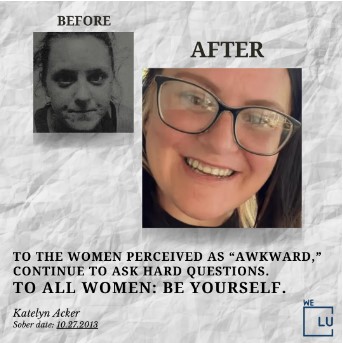
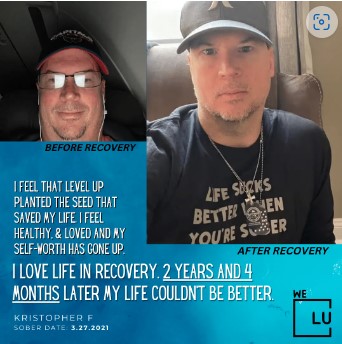
Start a New Life
Begin with a free call to a behavioral health treatment advisor. Learn more about our dual-diagnosis programs. The We Level Up treatment center network delivers recovery programs that vary by each treatment facility. Call to learn more.
- Personalized Care
- Caring Accountable Staff
- World-class Amenities
- Licensed & Accredited
- Renowned w/ 5-Star Reviews
We’ll Call You
Take a Step Forward
Dialectical Behavior Therapy is a proven talk therapy that teaches real skills you can use every day. It helps with strong emotions, risky behaviors, ADHD challenges, depression and teen struggles. DBT is structured to help you learn and grow in real life, not just in therapy. If you or someone you care about deals with overwhelming feelings or unsafe behaviors, talking to a trained therapist about DBT can be a life-changing first step.
Ready to explore DBT therapy and begin your healing journey? Reach out to a trained mental health professional today to learn if DBT is right for you.