
Barbiturate Drugs Effects
Barbiturate drugs can seriously damage your health and put your future at risk. These medications slow down the brain and central nervous system, affecting breathing, heart rate, and coordination. Doctors once prescribed barbiturates widely for sleep problems, anxiety, and seizures. Today, their dangers are well known. Many people develop dependence without realizing how quickly it […]
Clinically Reviewed by Lauren Barry, LMFT, MCAP, QS
Medically Reviewed by Ali Nikbakht, PsyD
Updated on June 5, 2026 — Editorial Policy | Research Policy
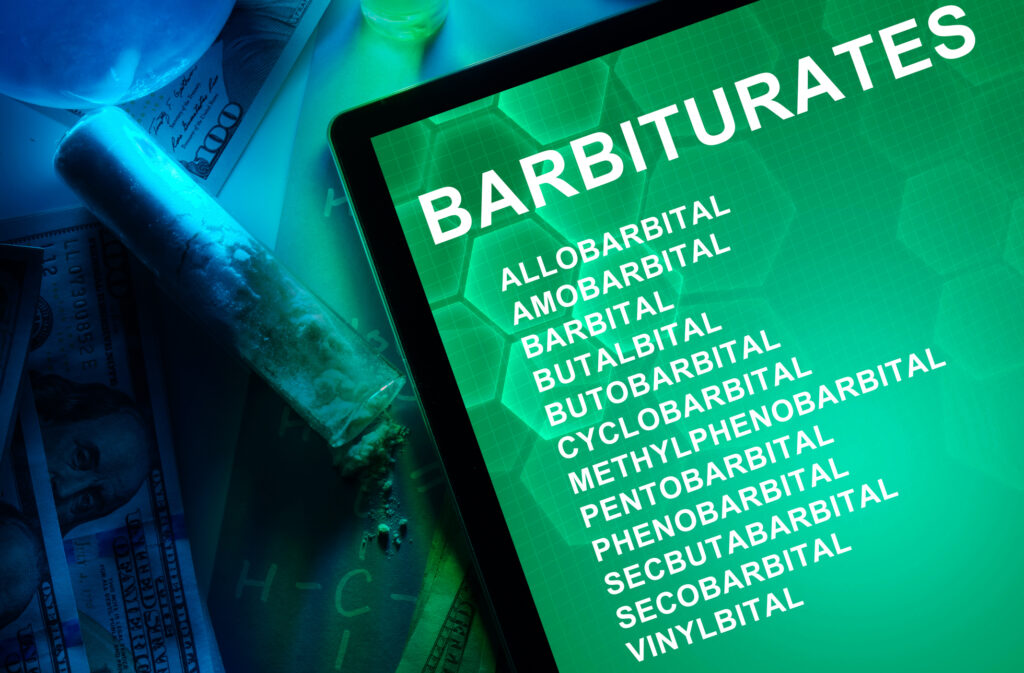
Barbiturate drugs can seriously damage your health and put your future at risk. These medications slow down the brain and central nervous system, affecting breathing, heart rate, and coordination. Doctors once prescribed barbiturates widely for sleep problems, anxiety, and seizures. Today, their dangers are well known. Many people develop dependence without realizing how quickly it happens. Over time, the body requires higher doses to feel the same effects, increasing the risk of overdose and death. Misuse can also lead to memory loss, mood changes, and withdrawal complications.
At We Level Up Washington, we help individuals struggling with barbiturate addiction regain control. Our experienced, compassionate team understands both medical use and misuse. You deserve safe, effective treatment and support from professionals who truly care about your recovery.
Skip To
Table of Contents
What Is Barbiturate Drugs Effects?
Barbiturate drugs’ effects describe how these pills change you. Barbiturates are sedative medicines that doctors prescribed for years. They slow your brain to create calm feelings. The pills make you sleepy and relaxed at first. But the barbiturate’s health impact grows worse over time.
What are barbiturates used for in medicine today? Doctors give them for seizures and some surgeries now. They rarely use them for sleep or anxiety anymore. The drugs became too dangerous for regular use. The Centers for Disease Control report bad data about sedatives. Thousands of people visit emergency rooms each year for barbiturate problems.
These pills affect brain chemicals. Your brain gets used to having the drug. When you stop, your body fights back. Barbiturate addiction signs show up fast. The pills also mix badly with alcohol. This kills people every year.

Signs You May Need Help for Barbiturate Drug Effects
- Taking pills more often than your doctor said.
- Running out of prescriptions too early.
- Feeling sick when you miss a dose.
- Needing pills just to feel okay.
- Buying pills from friends or strangers.
- Hiding your pill use from family.
- Trying to quit but failing.
Why Choose We Level Up Washington for Barbiturate Drug Effects Treatment?
We Level Up Washington helps people recover from barbiturate drugs. Our Spokane Valley center sits in a quiet area. Large windows let natural light fill the rooms. We know barbiturate misuse risks better than most places.
Every person who comes here gets respect. We create plans based on your needs. Some people need slow cuts in their dose. Others need mental health help right away. We treat barbiturate addiction signs with your depression or trauma. Your whole self matters to us.
Our facility earned state certification. Insurance companies trust our care. We check your benefits before you come. Most plans cover a big part of your stay. Call us today, and we will help with money issues.
What to Expect During Barbiturate Drug Effects Treatment
Your first day starts with a warm welcome. Staff ask questions about your barbiturate health impact and history. A nurse checks your blood pressure and heart. A doctor looks at your physical health. This shapes your care plan.
Medical detox begins fast for your safety. Barbiturates need careful tapering to stay safe. Our doctors reduce your dose slowly over days. This stops seizures and other problems. Nurses watch you every few hours. You might feel anxious or shaky. Our staff stays close to help you.
Therapy starts once your body gets stable. You meet with a counselor to learn why you started using. Sessions happen three times each week. Group meetings connect you with others. Classes teach you about what barbiturates are used for safely. You learn to spot triggers. Art therapy and yoga give you healthy outlets.
Benefits of Barbiturate Drugs: Effects and Treatment
- Safe, medically supervised support during withdrawal
- Personalized care plans tailored to your needs
- Therapy to address underlying emotional and mental health challenges
- Peer support from others who understand your experience
- Life skills training to support long-term recovery
- Renewed hope for a healthy, pill-free future
If you want it more clinical, more compassionate, or more marketing-focused, I can adjust the tone.
FAQs About Barbiturate Drug Effects and Treatment
-
What makes barbiturates so addictive?
Barbiturates change your brain in powerful ways. They boost a calming chemical called GABA in your brain. This makes you feel relaxed and sleepy. Your brain adapts over time. It stops making enough GABA on its own. Now you need the pills to feel normal. Barbiturate misuse risks grow when people chase that first calm feeling. Tolerance builds, and you need bigger doses. Breaking this needs medical help.
-
How do I know if I have barbiturate addiction?
Barbiturate addiction signs appear in many ways. You think about the pills all day. You feel panicked when your supply runs low. Your doctor refuses to refill your prescription. You make excuses for why you need them. Physical signs include slurred speech and poor balance. You fall asleep at odd times. Withdrawal starts within hours of your last dose. These include shaking, sweating, and anxiety. If this sounds familiar, you need help now.
-
Can barbiturate withdrawal kill you?
Yes, barbiturate withdrawal can be deadly without medical care. Stopping these drugs shocks your nervous system. Your brain rebounds from months of sedation. This rebound can trigger seizures. Your blood pressure might spike to bad levels. Some people develop delirium tremens. This causes confusion and hallucinations. The barbiturate health impact during withdrawal needs expert care. Never try to quit these pills alone. We Level Up Washington provides a safe detox that protects your life.
-
How long does barbiturate detox take?
Barbiturate detox timing varies based on factors. The type you used matters a lot. Short-acting pills leave your system faster. Long-acting versions take more time. Most people need 7 to 14 days for detox. Your doctor slowly reduces your dose during this time. Some people with severe dependence need three weeks. We Level Up Washington never rushes this process. Your safety comes before speed. The slow taper prevents the dangerous barbiturate drugs during withdrawal.
-
Will my insurance pay for barbiturate treatment?
Most insurance plans cover substance abuse treatment these days. Federal law requires coverage for mental health and addiction. Your policy should pay for medical detox. It may also cover weeks of residential treatment. The exact coverage depends on your plan. Some plans cover 30 days, while others provide 60 or 90. We Level Up Washington accepts many major insurance providers. Call us at (509) 206-8800 for a free benefits check. Our billing team explains your coverage in plain words.
-
What therapy helps with barbiturate addiction?
Several therapy types work well for barbiturate drug effects. Cognitive behavioral therapy helps change harmful thoughts. You learn to recognize triggers before you act. Motivational interviewing builds your desire to stay sober. Group therapy creates bonds with people who understand. Family counseling repairs damaged relationships. Trauma therapy addresses painful experiences from your past. We Level Up Washington combines these methods. Every person responds differently. We adjust your therapy as you grow.
-
Can I work while in barbiturate treatment?
Inpatient treatment requires you to stay at the facility full-time. This means taking time away from your job. Your health matters more than any paycheck right now. Many employers offer medical leave for addiction treatment. Some people use vacation time or disability benefits. Our social workers help you with these work issues. After inpatient care, you might move to outpatient services. These programs let you work while attending therapy. The barbiturate misuse risks are too high to skip treatment.
-
What happens if I relapse after treatment?
Relapse does not mean you failed. Addiction is a brain condition that needs ongoing care. Many people need several treatment attempts before lasting sobriety. If you relapse, contact your treatment team right away. We Level Up Washington welcomes people back without shame. You might need a different approach this time. Perhaps longer treatment or different medicines would help. Each relapse teaches you something about your triggers. Use this to build a stronger recovery next time.
How to Get Started With Barbiturate Drug Effects Treatment
You know something needs to change in your life. The pills control you instead of the other way around. We Level Up Washington can break this control starting today. Our phones ring 24 hours a day.
Pick up your phone and dial (509) 206-8800 right now. A caring voice will answer and listen. We can often admit you the same day you call. You can also send an email to verifyadmissions@welevelup.com anytime. Our Spokane Valley building has a bed waiting. The barbiturate drugs’ effects will only get worse without help. Each day you wait increases your risk. Give yourself permission to accept help today.