

12-Step Addiction Recovery Program
A 12 Step Addiction Recovery Program helps people stop using drugs or alcohol safely. It gives a clear plan to follow, support from others, and ways to stay sober. Many people feel lost when trying to quit alone. The 12 steps show how to take one step at a time. At We Level Up Washington, […]
Clinically Reviewed by Lauren Barry, LMFT, MCAP, QS
Medically Reviewed by Ali Nikbakht, PsyD
Updated on February 10, 2026 — Editorial Policy | Research Policy
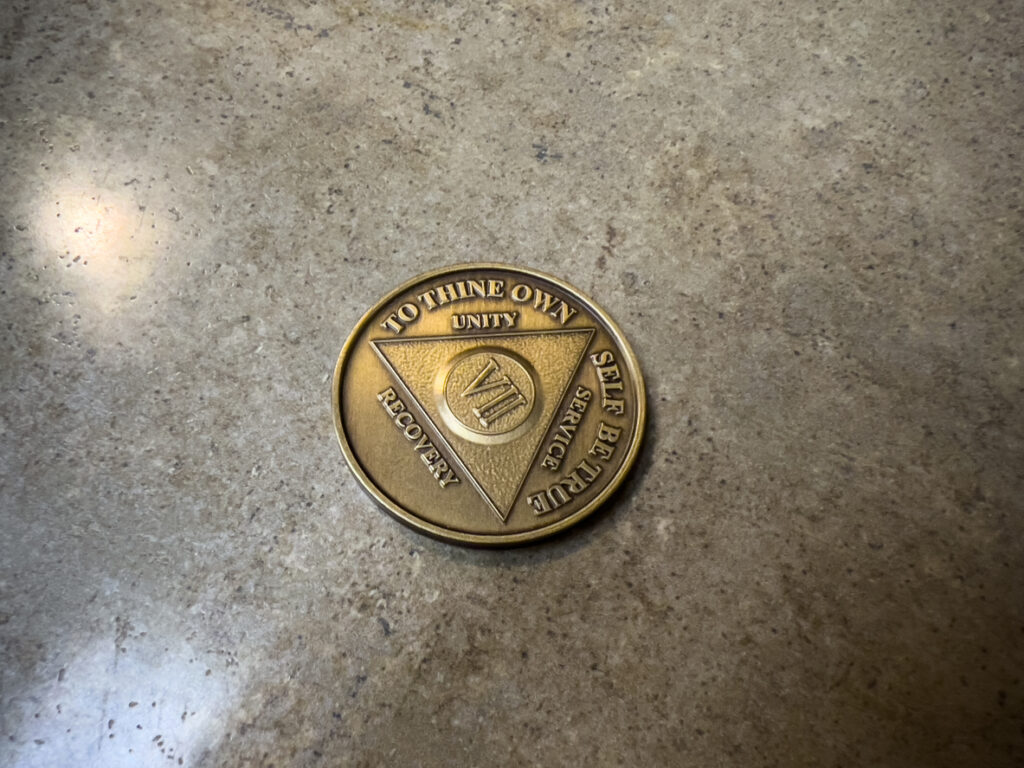
A 12 Step Addiction Recovery Program helps people stop using drugs or alcohol safely. It gives a clear plan to follow, support from others, and ways to stay sober. Many people feel lost when trying to quit alone. The 12 steps show how to take one step at a time. At We Level Up Washington, we guide patients through each step. Our team uses therapy, counseling, and group programs to help people heal. Patients learn skills to handle stress, cravings, and challenges. The program helps people rebuild life, health, and relationships. With guidance, support, and practice, recovery is possible for everyone.
Skip To
Table of Contents
What Is a 12 Step Addiction Recovery Program?
A 12 Step Addiction Recovery Program is a proven way to help people stop using drugs or alcohol. It gives clear steps to understand habits and make healthier choices. This promotes responsibility and self-care, helping with long-term sobriety.
The 12 steps include asking for help, admitting mistakes, making amends, and learning to support others in recovery. Patients move through each step slowly and at a safe pace. This steady approach helps reduce relapse risks and makes strong emotions easier to manage. Over time, people gain confidence and learn better ways to cope with stress.
The program also focuses on peer support in recovery. Patients meet in group settings to share stories, offer encouragement, and learn from one another.
Signs You May Need a 12 Step Addiction Recovery Program
Some signs you may need help include:
- Strong cravings for drugs or alcohol
- Can’t stop using even with problems
- Using drugs or alcohol to cope with stress
- Feeling sad, angry, or anxious often
- Trouble at work, school, or home
- Feeling sick when you do not use
- Losing interest in hobbies or friends
Early help is very important. A 12 Step Addiction Recovery Program can guide people safely.
End the Emotional Pain. Get Your Life Back.
Feeling Depressed, Anxious or Struggling with Mental Health Illness? Get Safe Comfortable Mental Health Dual Diagnosis High-Quality Therapy From Counselors That Care. Begin Your Recovery Now.
Hotline: (509) 348-4077

Why Choose We Level Up Washington for a 12 Step Addiction Recovery Program
We Level Up Washington provides safe support for 12 Step Addiction Recovery. Our team includes doctors, licensed therapists, and trained counselors. We focus on treating addiction and mental health together because both affect recovery. Patients get personalized treatment plans tailored to their needs.
We provide individual therapy, group meetings, and holistic programs. These services help patients learn healthy life skills, manage stress, and build strong coping tools. Peer support in recovery is an important part of healing. Group meetings allow people to share experiences, gain hope, and feel less alone during recovery.
Families can also join treatment programs. They learn how addiction affects loved ones and how to give support at home. Our staff carefully tracks progress and adjusts care when needed. We focus on safety, guidance, and long-term recovery success.
What to Expect During a 12 Step Addiction Recovery Program
Treatment starts with a full checkup. Doctors and therapists assess physical health and mental state. This helps the team understand each person’s needs. Patients then receive a care plan that includes therapy, counseling, and group support. The plan aims to keep patients safe. It also teaches them recovery skills and healthy choices.
Therapy helps patients learn coping skills, manage stress, and avoid triggers that can lead to relapse. Patients also learn how to handle strong emotions in healthy ways. Group meetings offer support from others who are going through similar challenges. Sharing stories helps people feel understood and less alone. Medicine may be used when needed to safely reduce cravings or ease withdrawal symptoms.
Recovery takes time and patience. Patients learn daily routines, life skills, and healthy habits that support long-term sobriety. Staff regularly track progress and make changes to treatment when needed. The goal is to help each person build a safe, sober, balanced, and healthy life that they can maintain over time.
Get Help. Get Better. Get Your Life Back.
Searching for Accredited Dual Diagnosis Mental Health Centers Near You?
Even if therapy failed previously, or are in the middle of a difficult crisis, we stand ready to support you. Our trusted behavioral health specialists will not give up on you. When you feel ready or just want someone to speak to about counseling alternatives to change your life call us. Even if we cannot assist you, we will lead you to wherever you can get support. There is no obligation. Call our hotline today.
FREE 24/7 Dual Diagnosis Mental Health Services HotlineBenefits of a 12 Step Addiction Recovery Program
- Helps both addiction and mental health
- Personal plans made for each patient
- Builds coping skills and emotional strength
- Peer support helps recovery and reduces isolation
- Group therapy and holistic care support long-term sobriety

How to Get Started with a 12-Step Addiction Recovery Program
Ready to begin your recovery journey? Call We Level Up Washington today and take the first step toward lasting change. Our friendly admissions team can quickly verify your insurance and schedule your first visit with ease. You’ll receive a comprehensive assessment so we can fully understand your needs and create a personalized care plan tailored to your recovery goals.
Our 12-step–informed programs include therapy, counseling, and peer support to help you build a strong foundation for sobriety. We teach practical skills to manage cravings, reduce stress, and avoid daily triggers, while also helping you develop healthy routines and positive habits for long-term success. Throughout treatment, our compassionate staff provides guidance, encouragement, and ongoing support, so you’re never alone in the process.
Recovery is possible, and we’re here to guide you every step of the way.
Address:
14114 E 3rd Ave, Spokane Valley, WA 99216
Phone:
(509) 206-8800
Comfortable Facilities & Amenities
High-Quality Mental Health Services & Behaviroal Health Substance Abuse Treatment
Rehab Centers TourRenowned Mental Health Centers. Serene Private Facilities. Inpatient Rehab Programs Vary.
Mental Health Helpline: (509) 348-4077Proven recovery success experience, backed by a Team w/ History of:
15+
Years of Unified Experience
100s
5-Star Reviews Across Our Centers
10K
Recovery Success Stories Across Our Network
- Low Patient to Therapist Ratio
- Comprehensive Dual-Diagnosis Treatment
- Complimentary Family & Alumni Programs
- Coaching, Recovery & Development Events
- Comfortable Onsite Medical Detox Center
FAQs About the 12 Step Addiction Recovery Program
-
What is a 12 Step Addiction Recovery Program?
It is a program that helps people stop using drugs or alcohol. The 12 steps give a clear path to follow. They focus on honesty, growth, and long-term change.
-
What is 12-step rehab support?
It includes therapy, group meetings, and support from people who understand recovery. This support helps people stay motivated and feel less alone.
-
What are the main addiction recovery steps?
Steps include asking for help, making amends, taking responsibility, and helping others in recovery. These steps support healing and personal growth.
-
What are the 12-step treatment benefits?
Benefits include peer support, coping skills, emotional healing, and safer recovery.
-
How do I know if I need a 12-step program?
Signs include cravings, mood changes, trouble at work or school, or using to escape stress.
-
Can family help in recovery?
Yes. Families learn how to support loved ones, build trust, and help maintain recovery at home.
World-class, Accredited, 5-Star Reviewed, Effective Mental Health Dual Diagnosis Programs. Complete Integrated Inpatient Rehab with Free Post Discharge Therapy Planning.
Hotline: (509) 348-4077End the Emotional Pain Rollercoaster. Gain Stability & Happiness Through Recovery Treatment. Start Mental Health Counseling Today. Get Free No-obligation Guidance by Behaviroal Health Specialists Who Understand Mental Health Recovery.